When Lines Are Time
ImagesEspai 13, Miró Foundation, Barcelona 2015
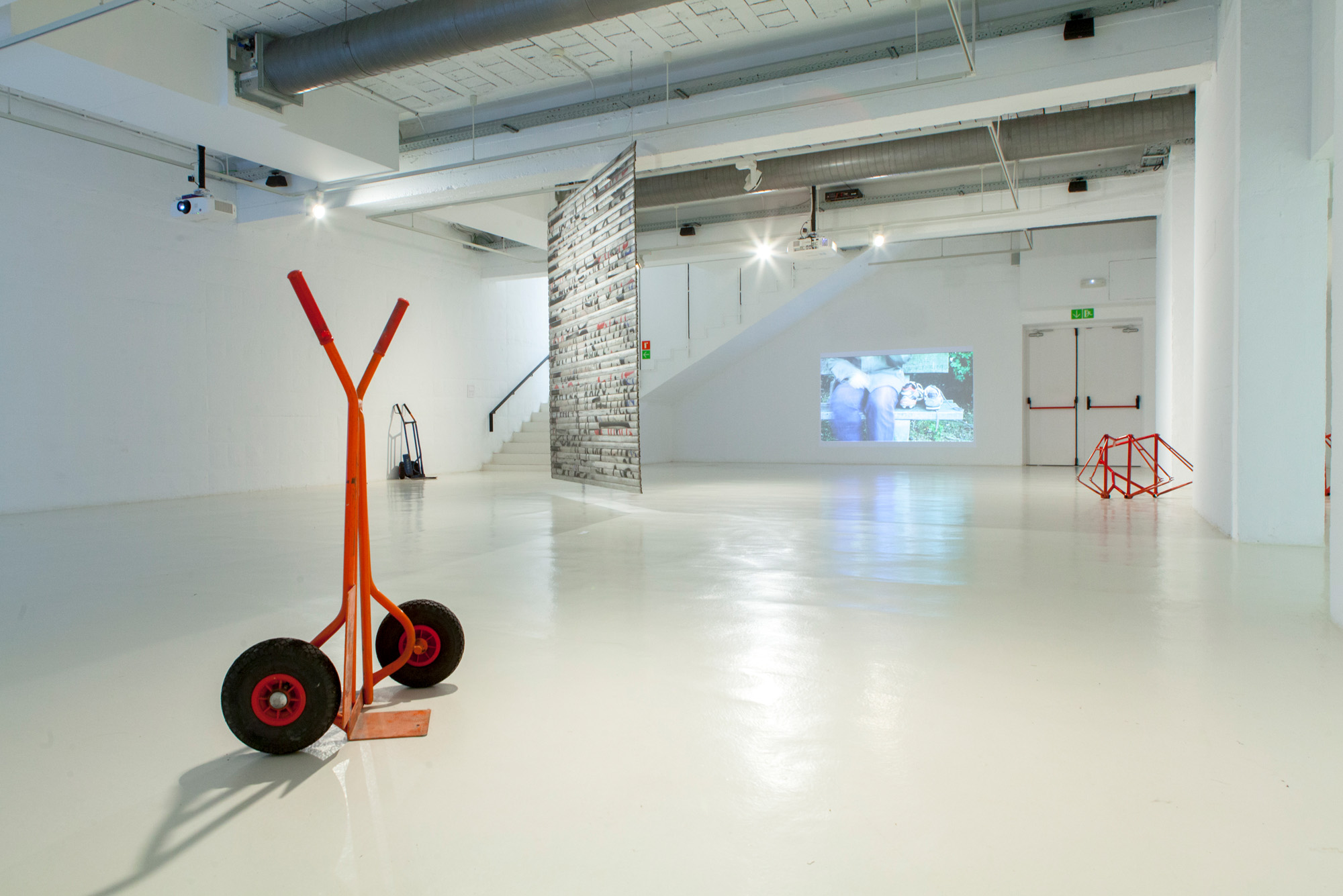
When Lines Are Time, Espai 13, Miró Foundation, Barcelona, 2015, installation view
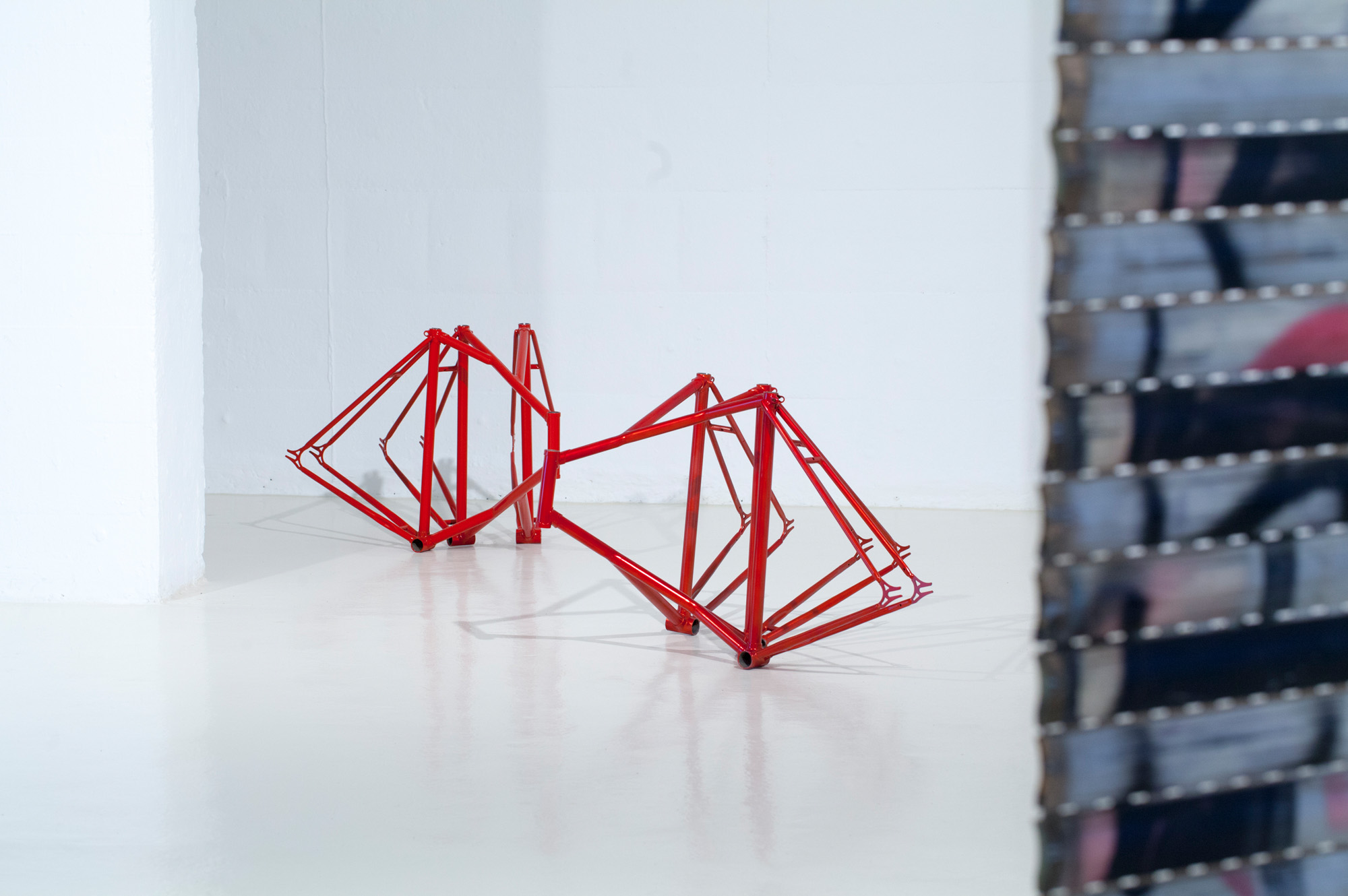
When Lines Are Time, Espai 13, Miró Foundation, Barcelona, 2015, installation view
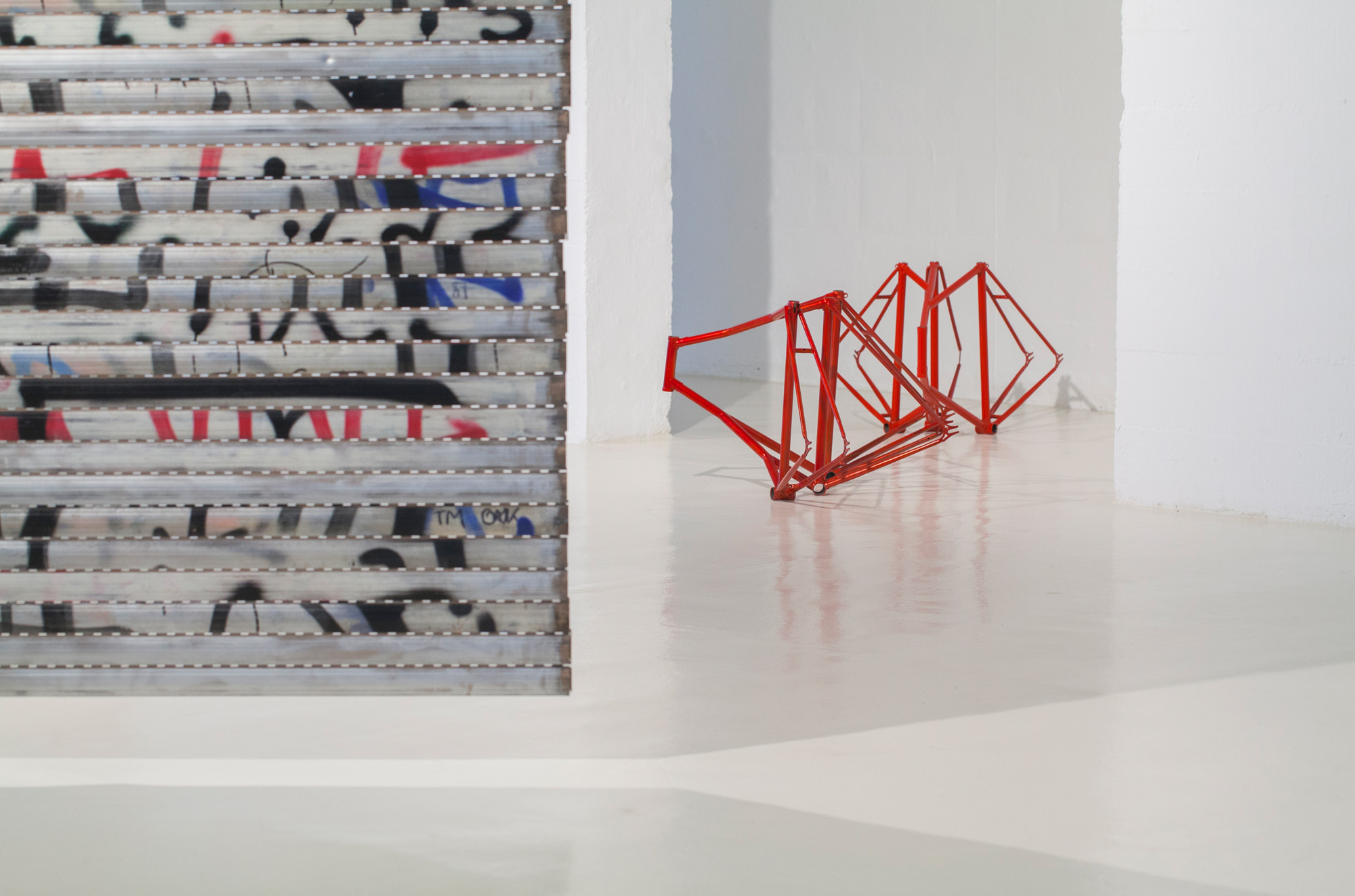
When Lines Are Time, Espai 13, Miró Foundation, Barcelona, 2015, installation view
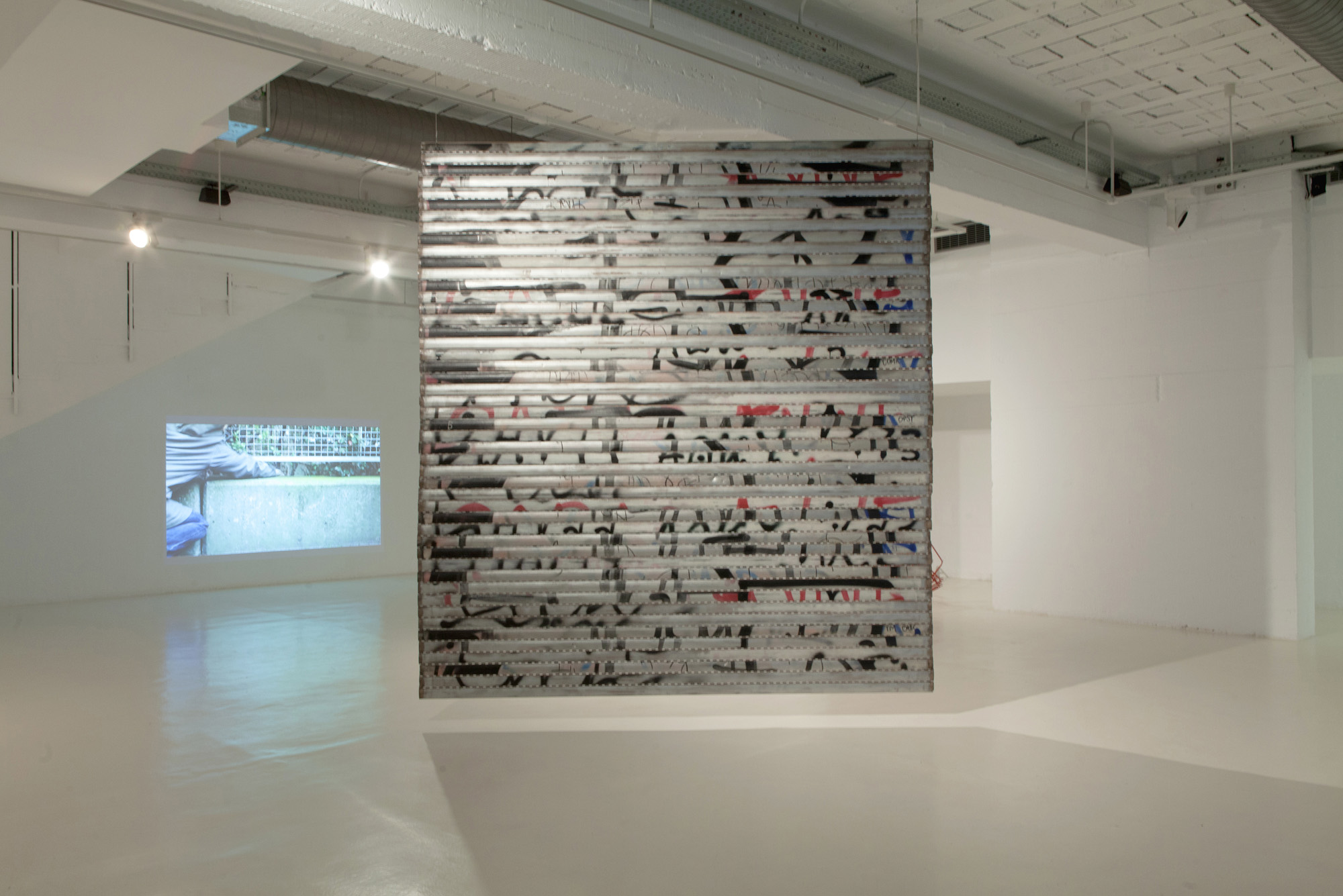
When Lines Are Time, Espai 13, Miró Foundation, Barcelona, 2015, installation view
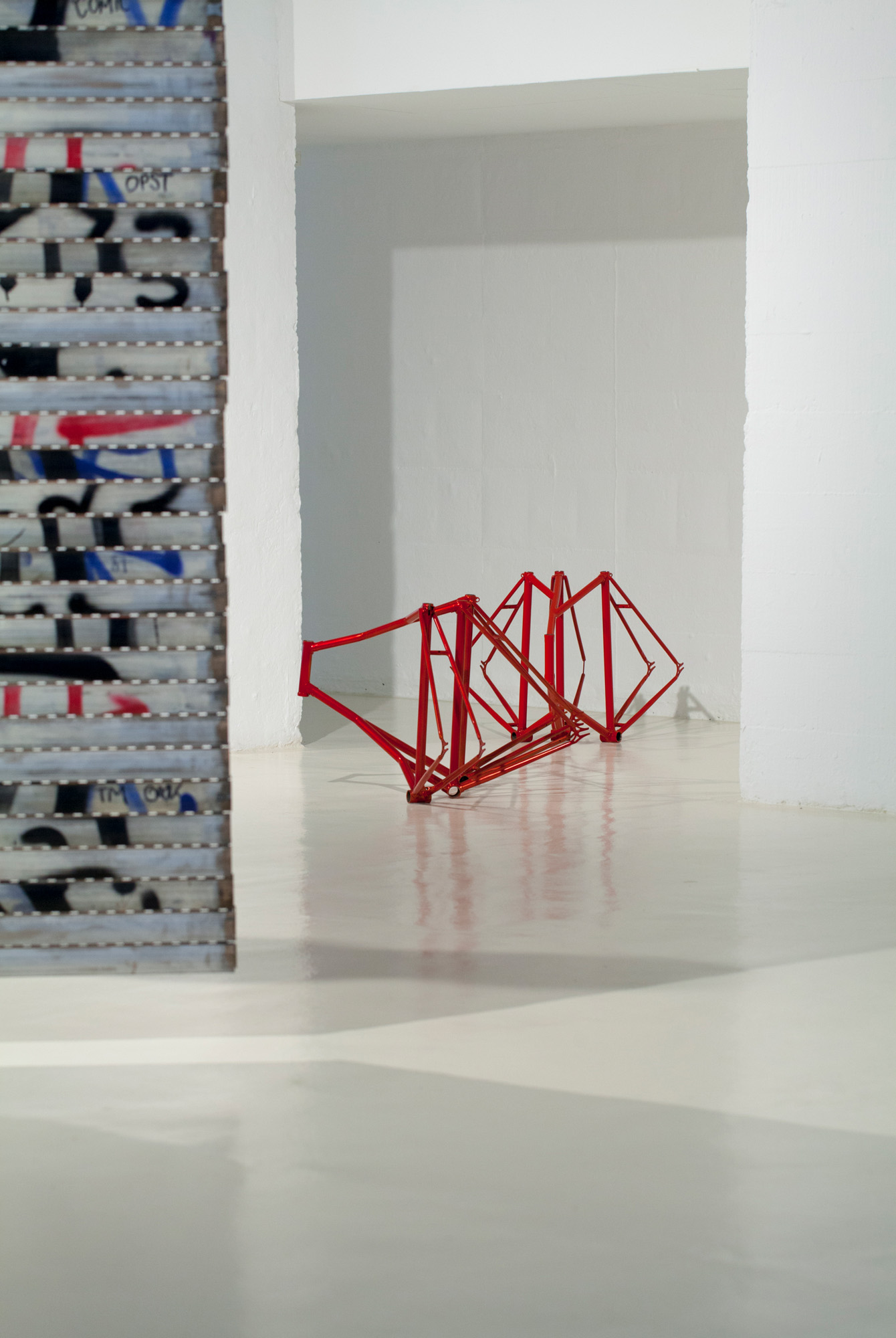
When Lines Are Time, Espai 13, Miró Foundation, Barcelona, 2015, installation view
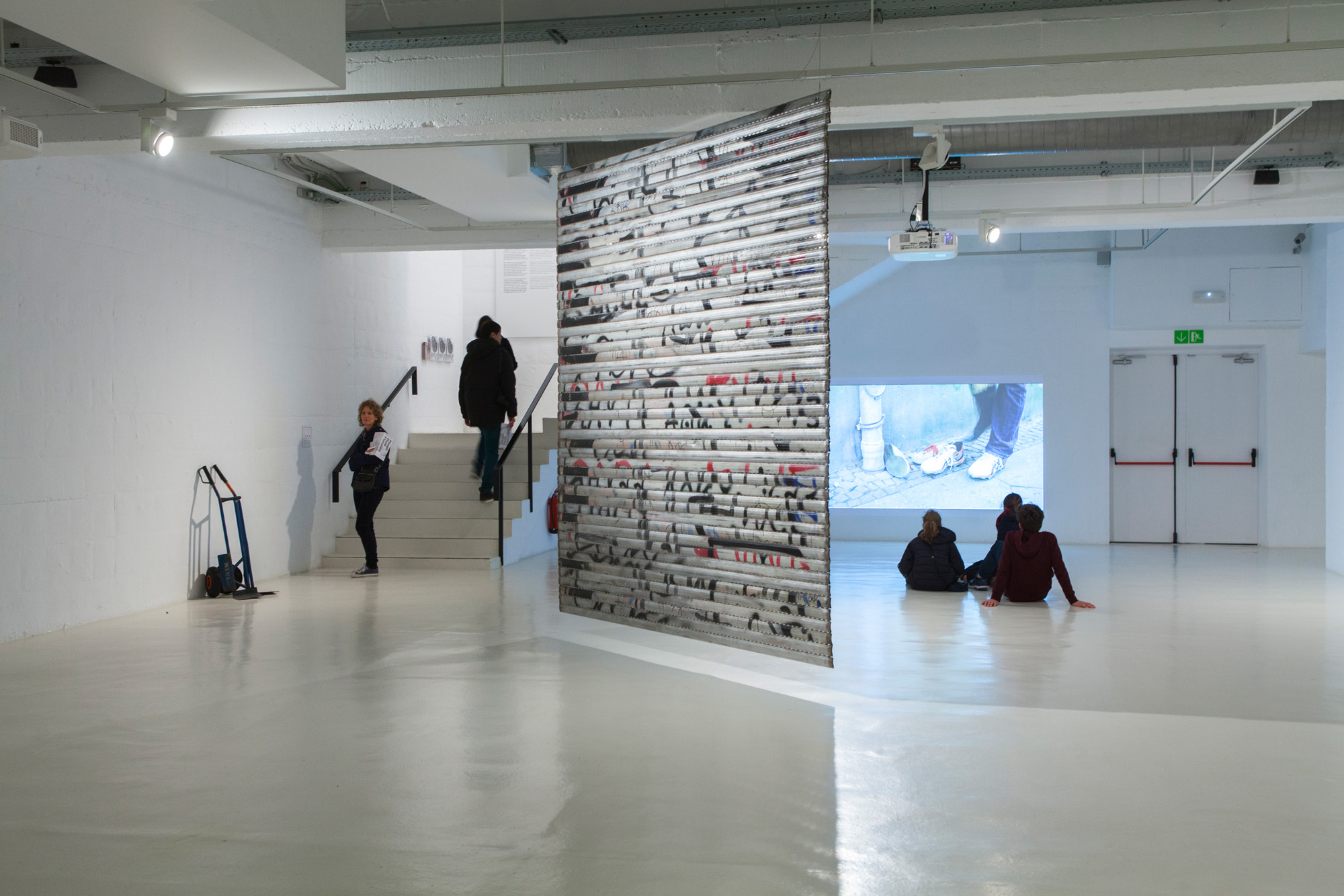
When Lines Are Time, Espai 13, Miró Foundation, Barcelona, 2015, installation view
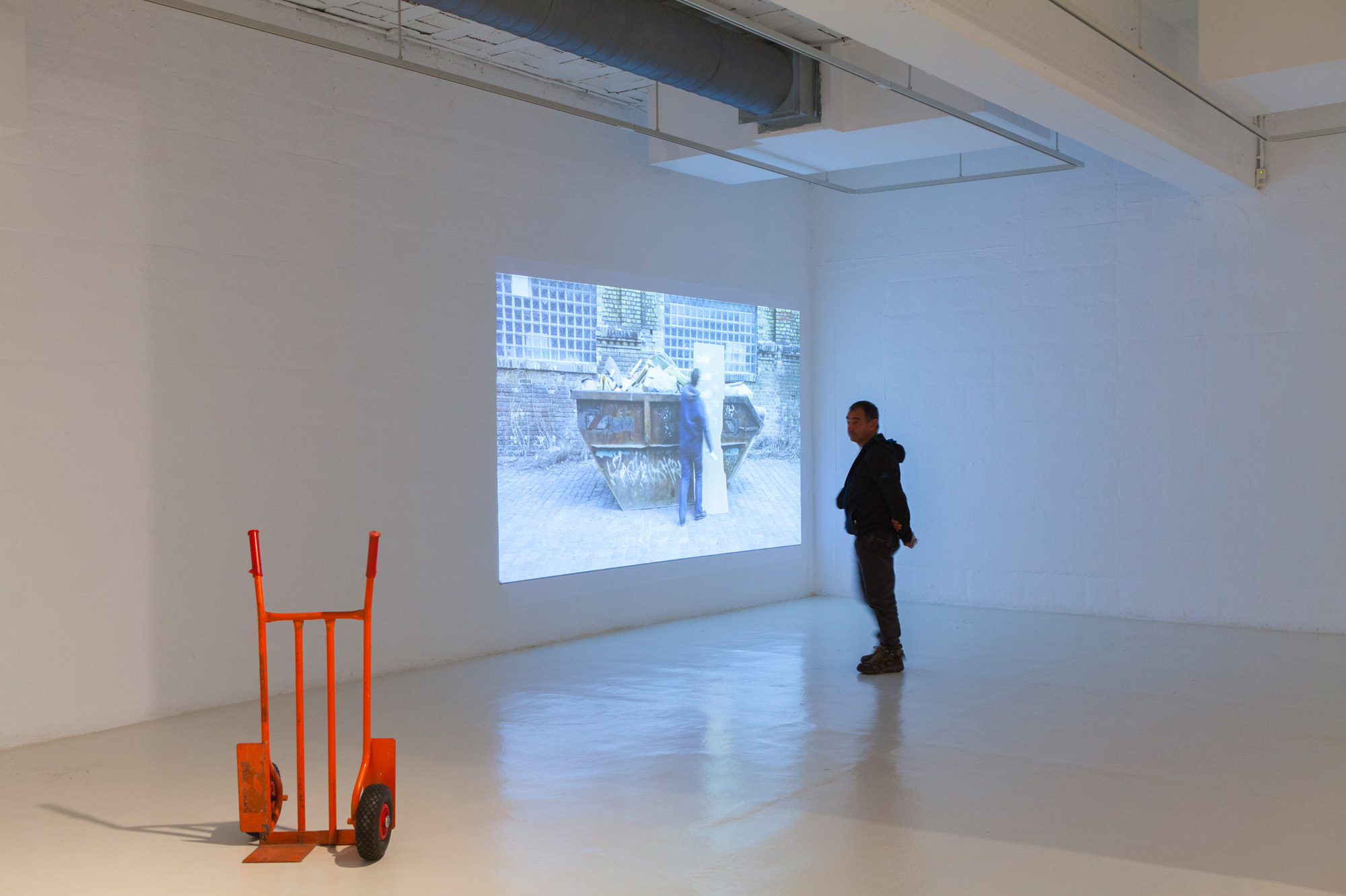
When Lines Are Time, Espai 13, Miró Foundation, Barcelona, 2015, installation view
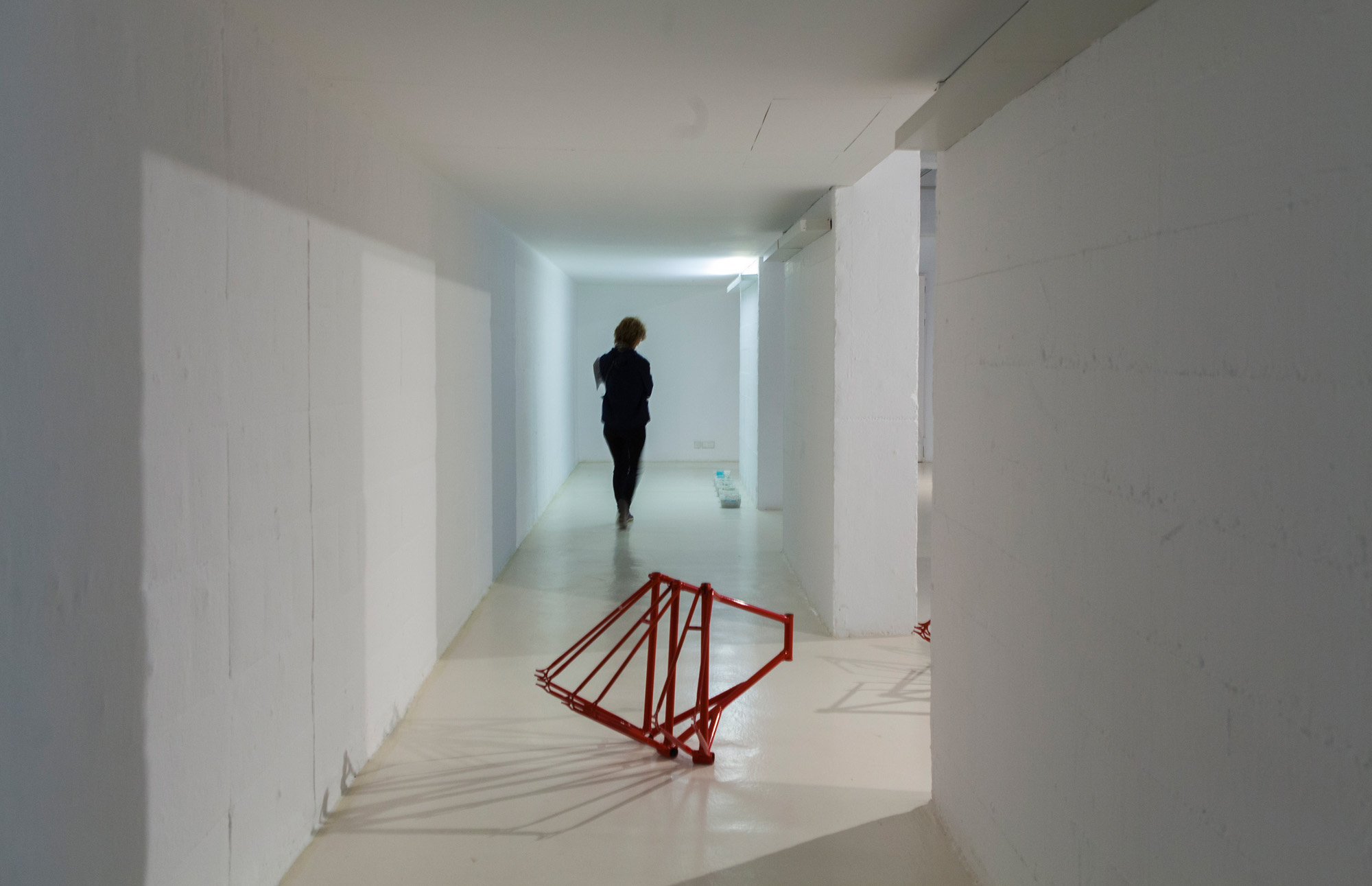
When Lines Are Time, Espai 13, Miró Foundation, Barcelona, 2015, installation view
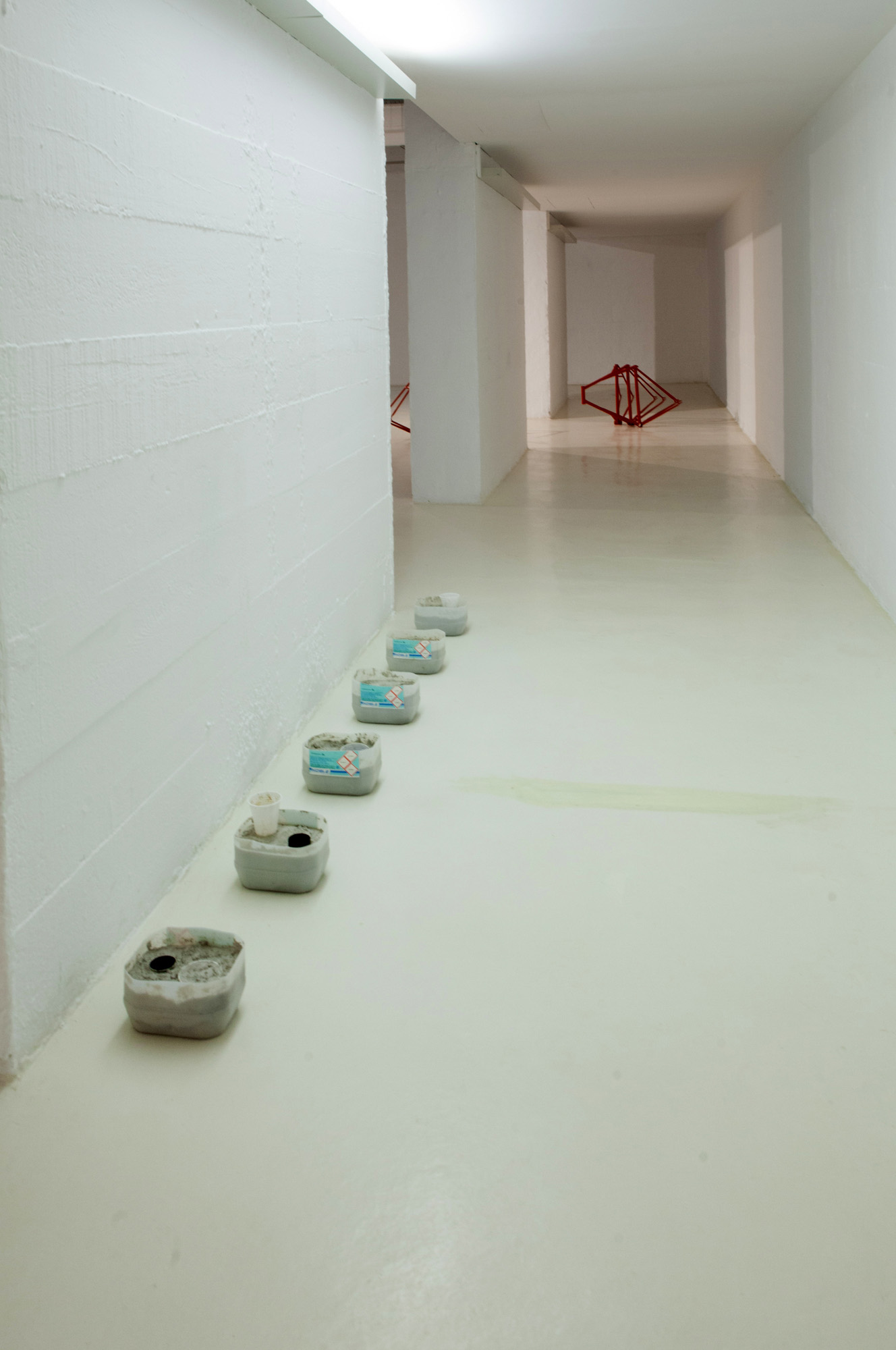
Reality Plural, 2015
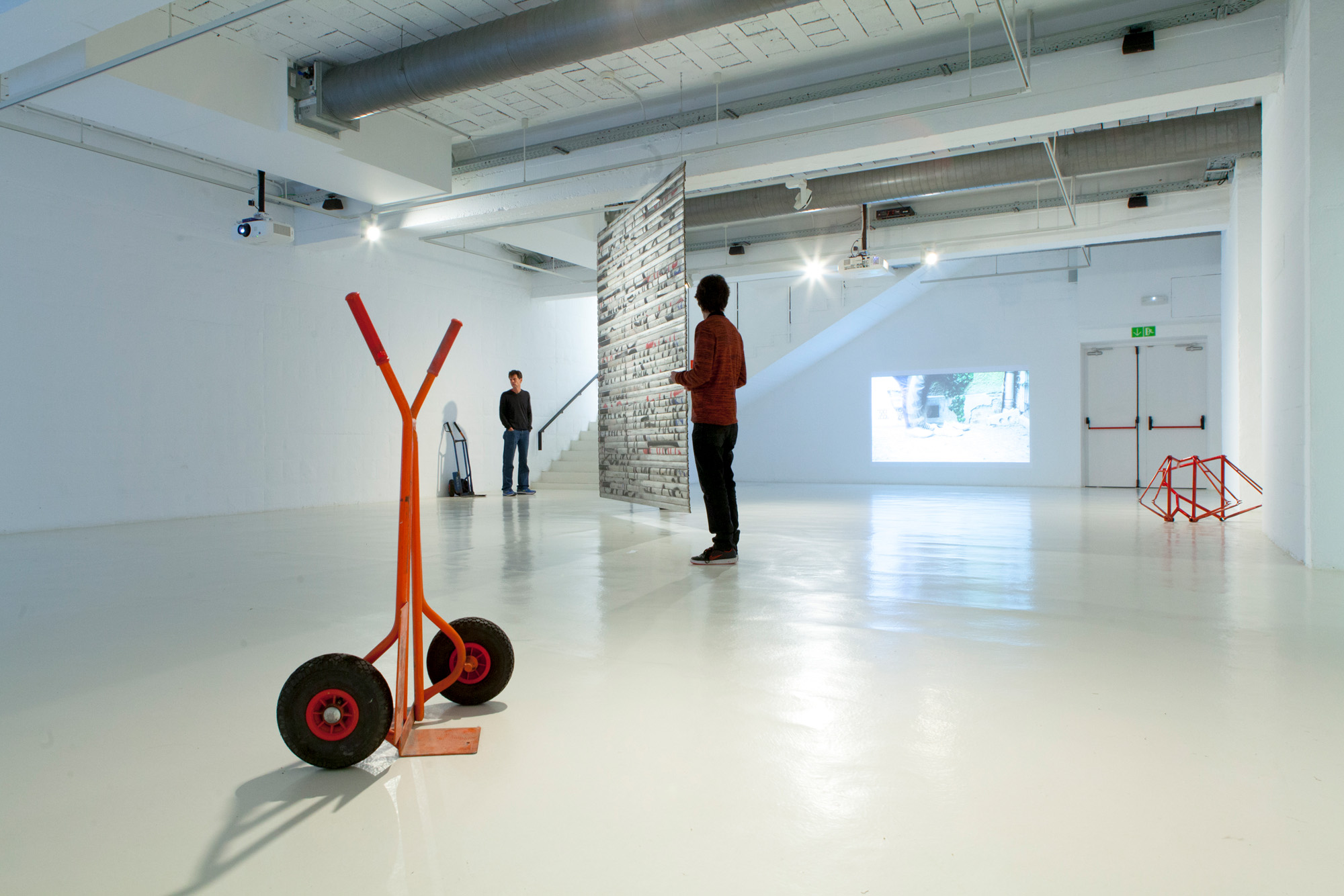
When Lines Are Time, Espai 13, Miró Foundation, Barcelona, 2015, installation view
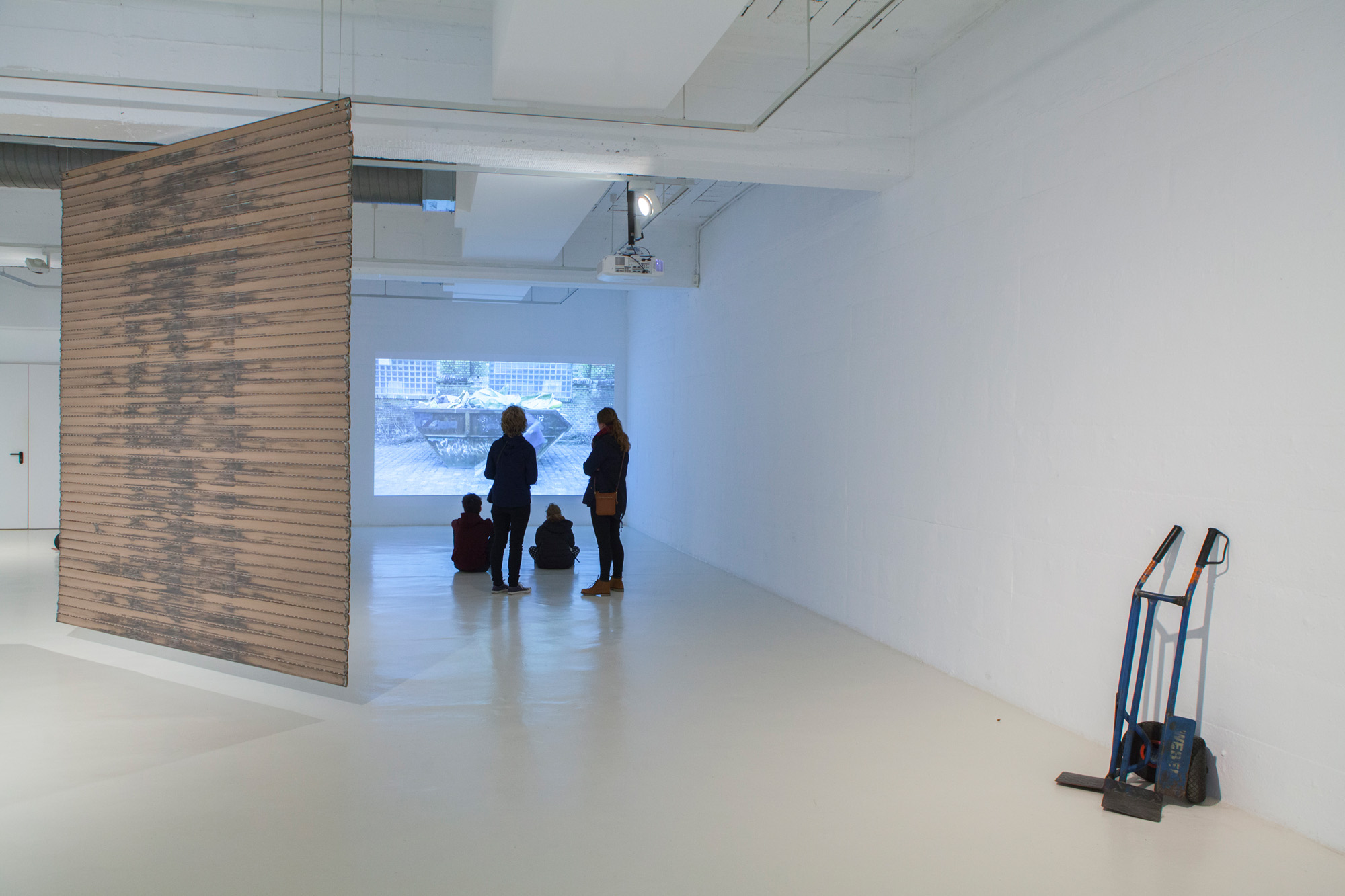
When Lines Are Time, Espai 13, Miró Foundation, Barcelona, 2015, installation view
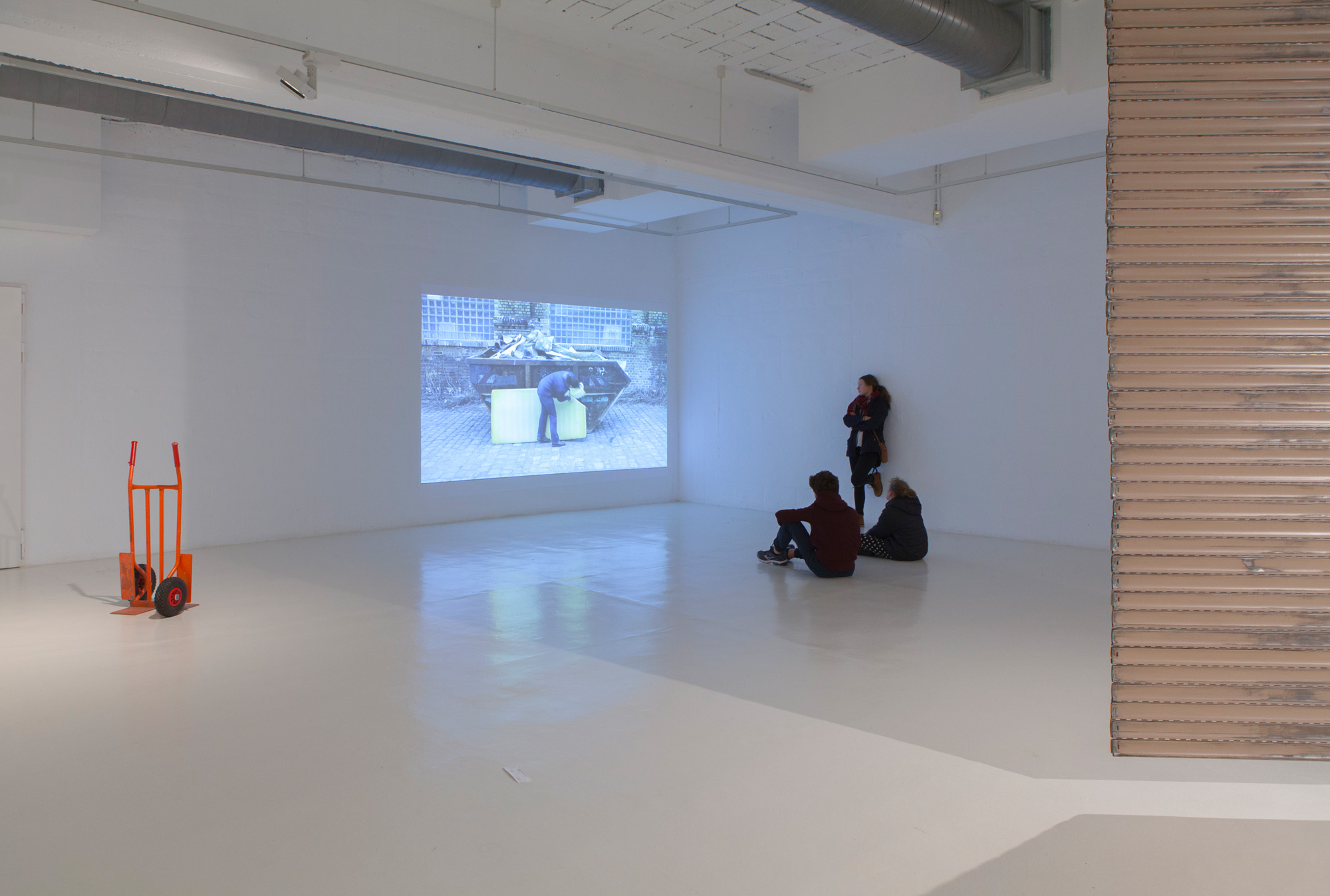
When Lines Are Time, Espai 13, Miró Foundation, Barcelona, 2015, installation view
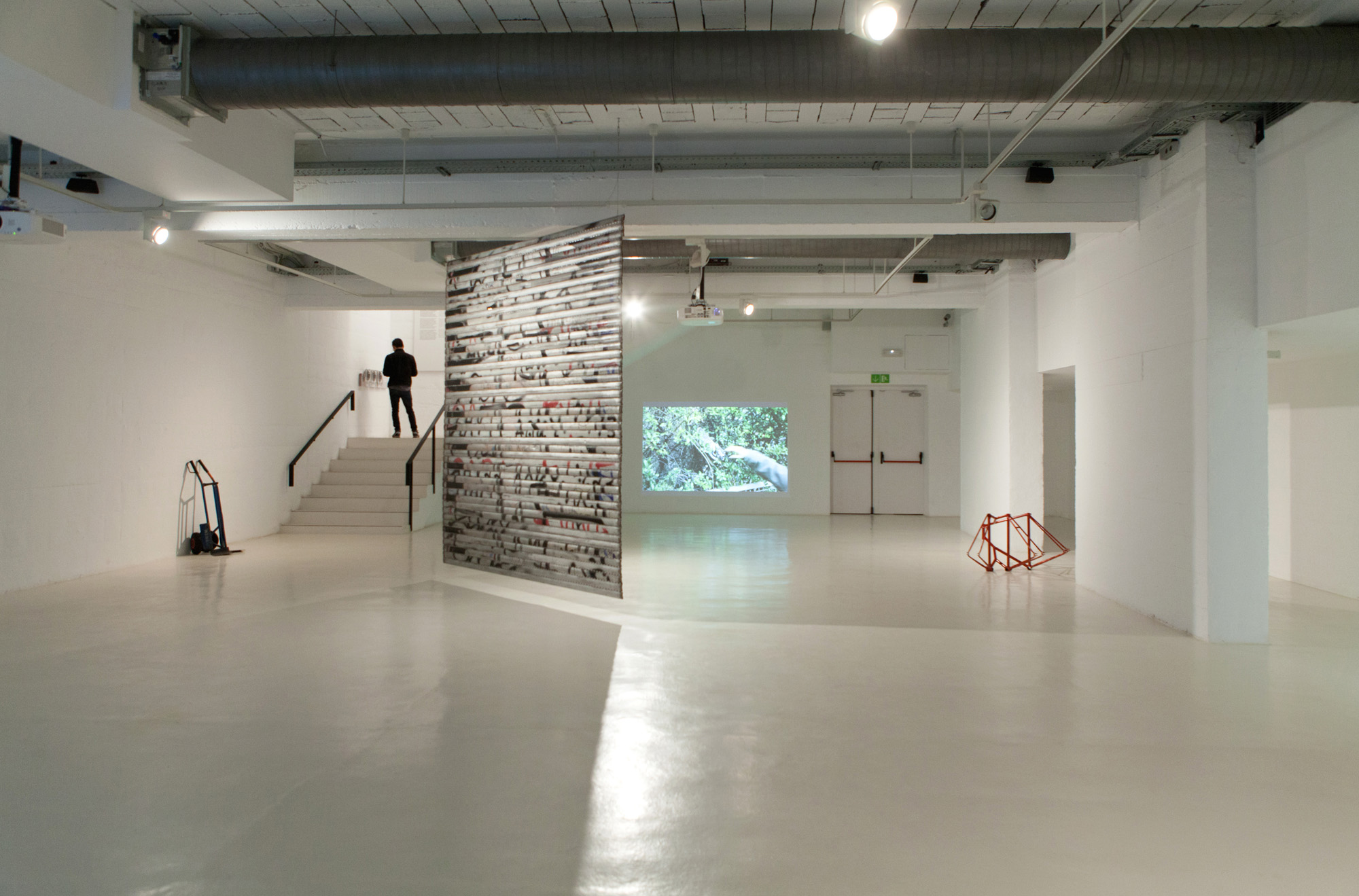
When Lines Are Time, Espai 13, Miró Foundation, Barcelona, 2015, installation view
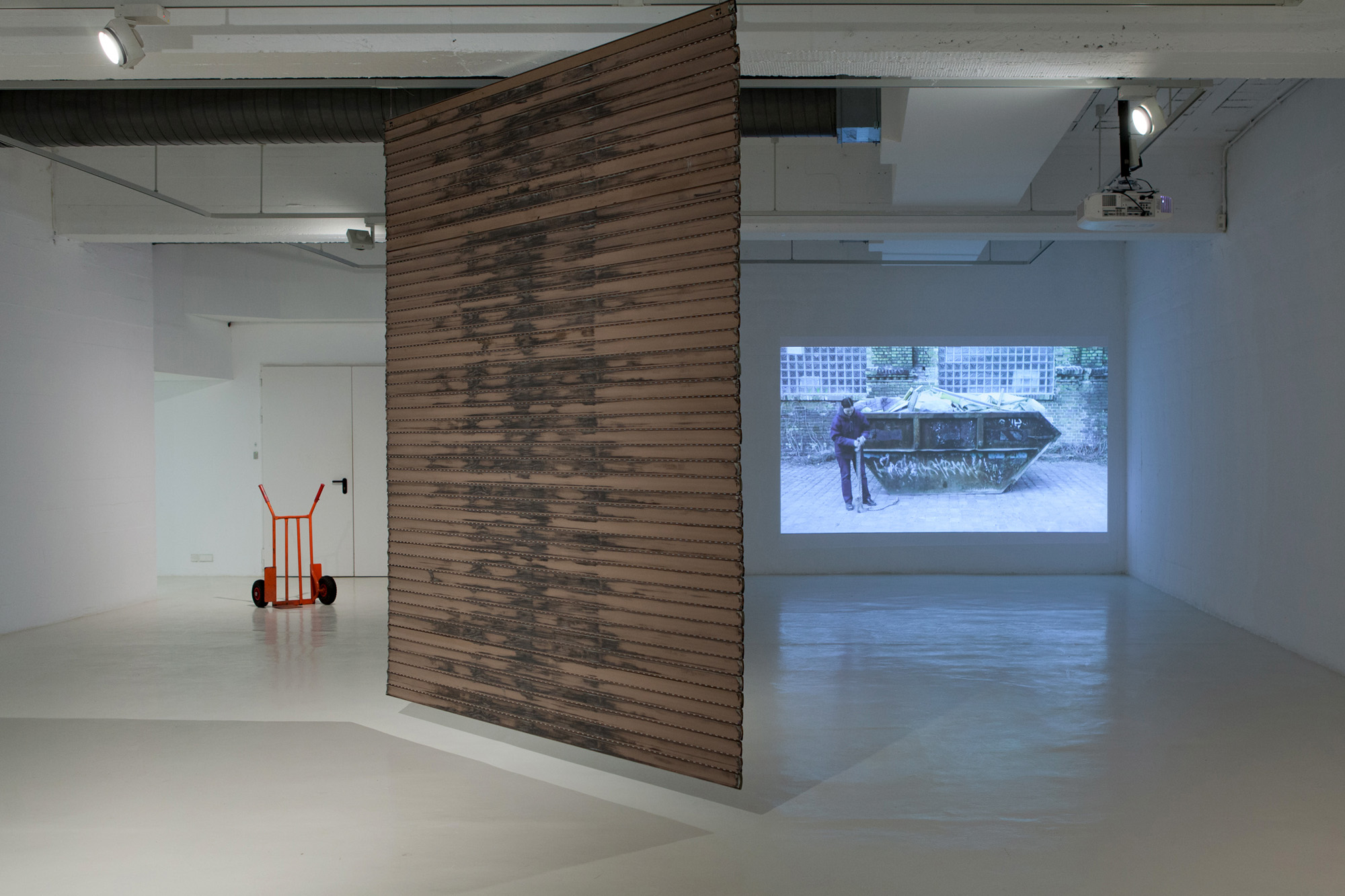
When Lines Are Time, Espai 13, Miró Foundation, Barcelona, 2015, installation view
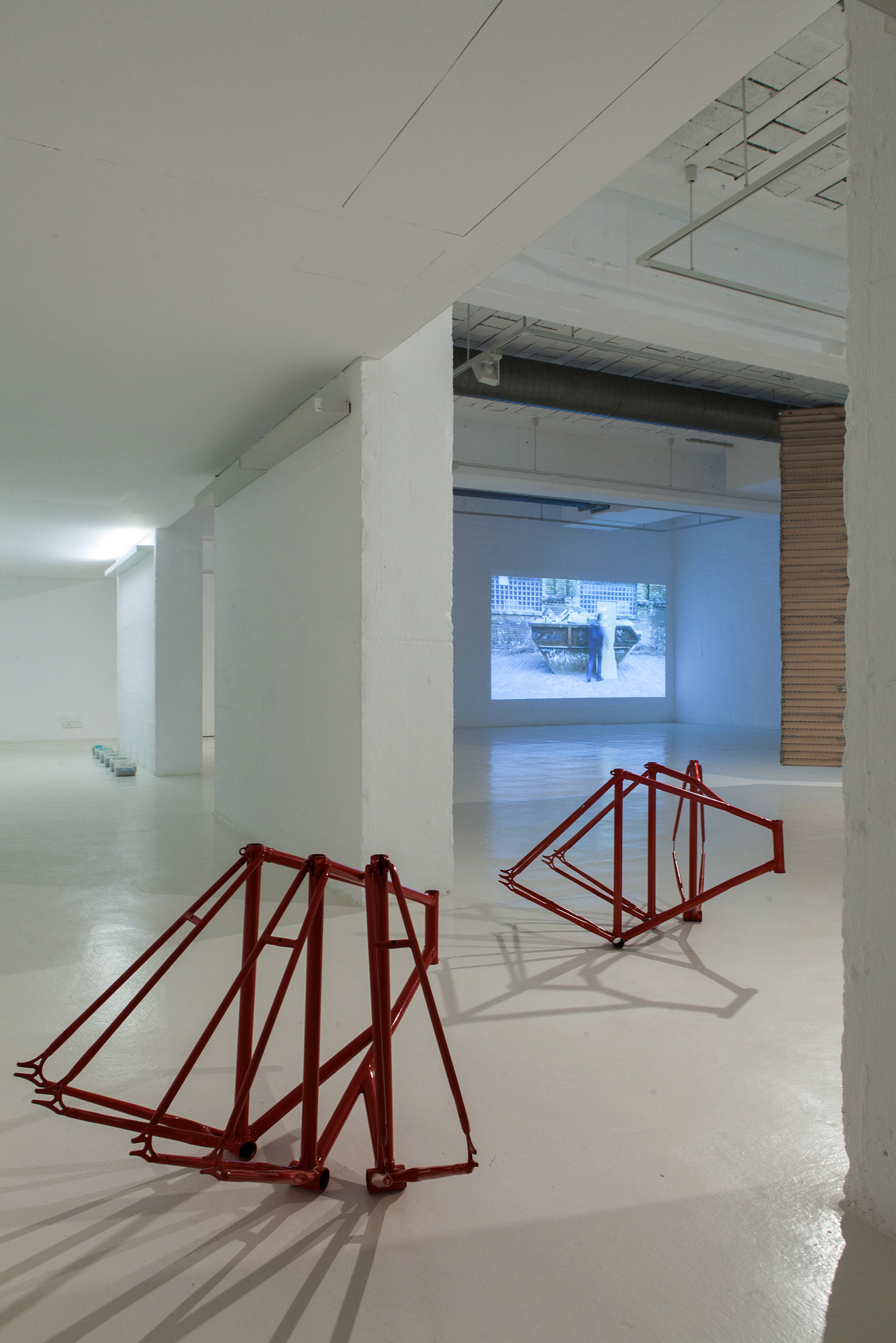
When Lines Are Time, Espai 13, Miró Foundation, Barcelona, 2015, installation view
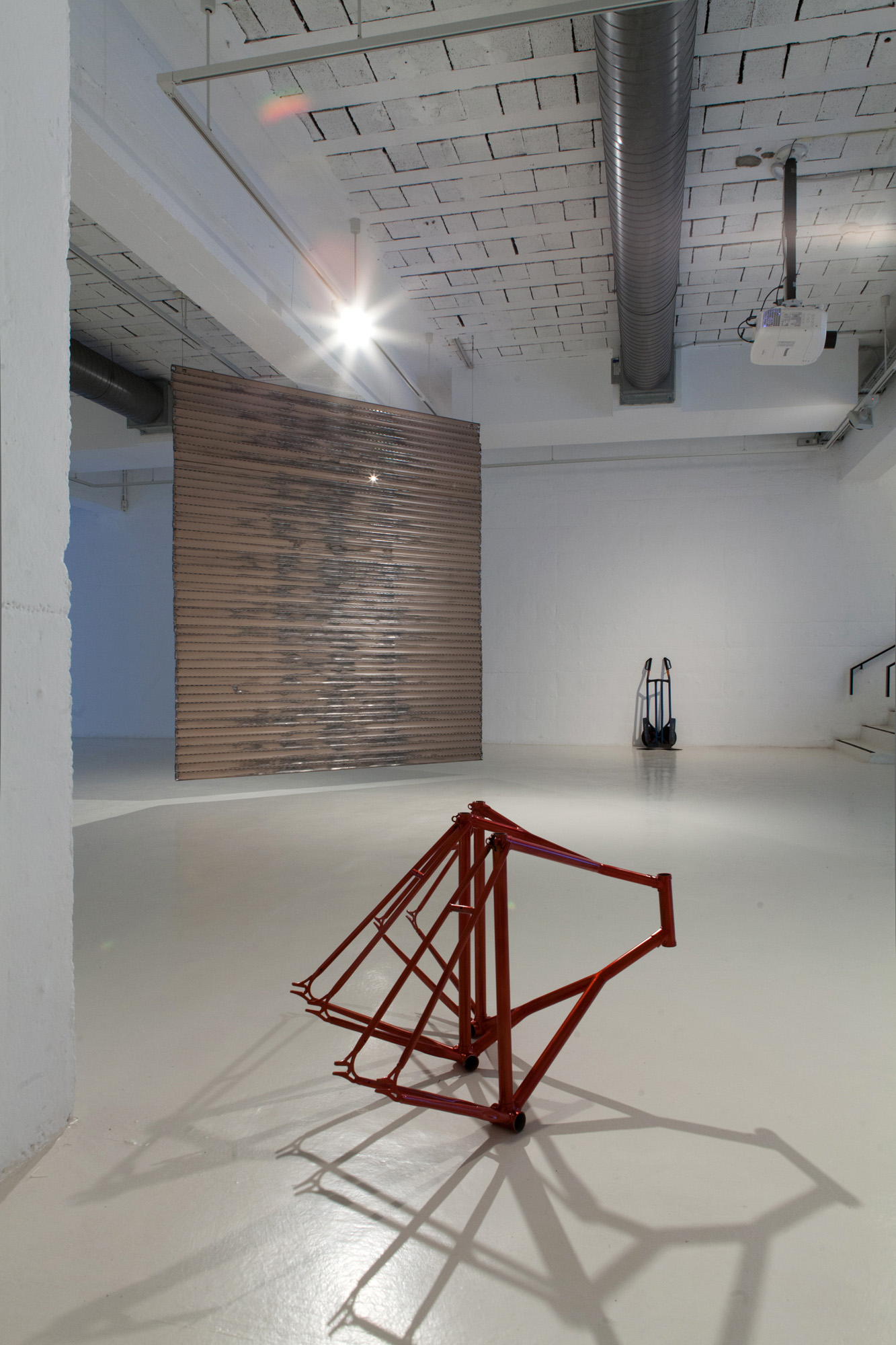
When Lines Are Time, Espai 13, Miró Foundation, Barcelona, 2015, installation view
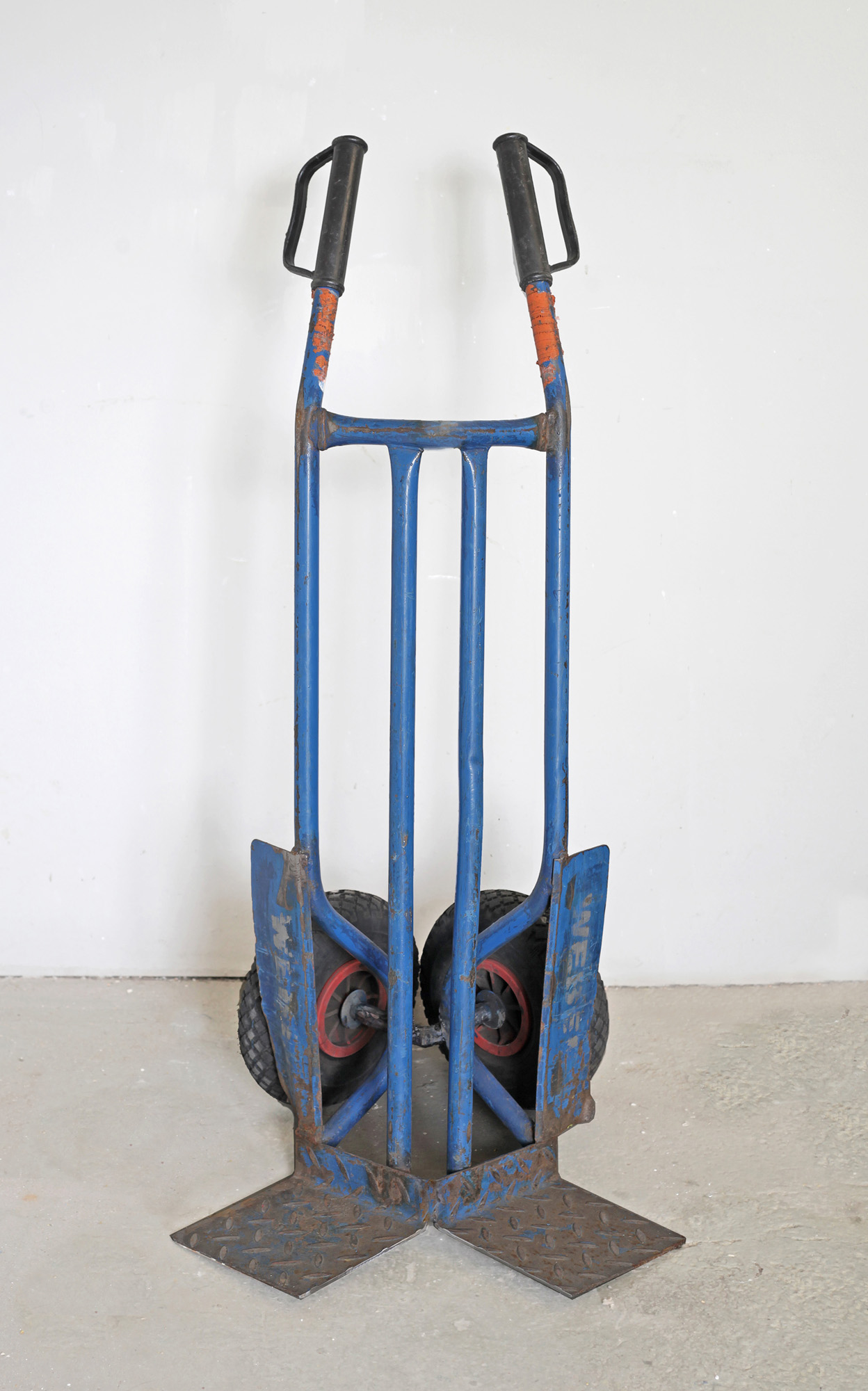
Indecisive Angles XI, 2015
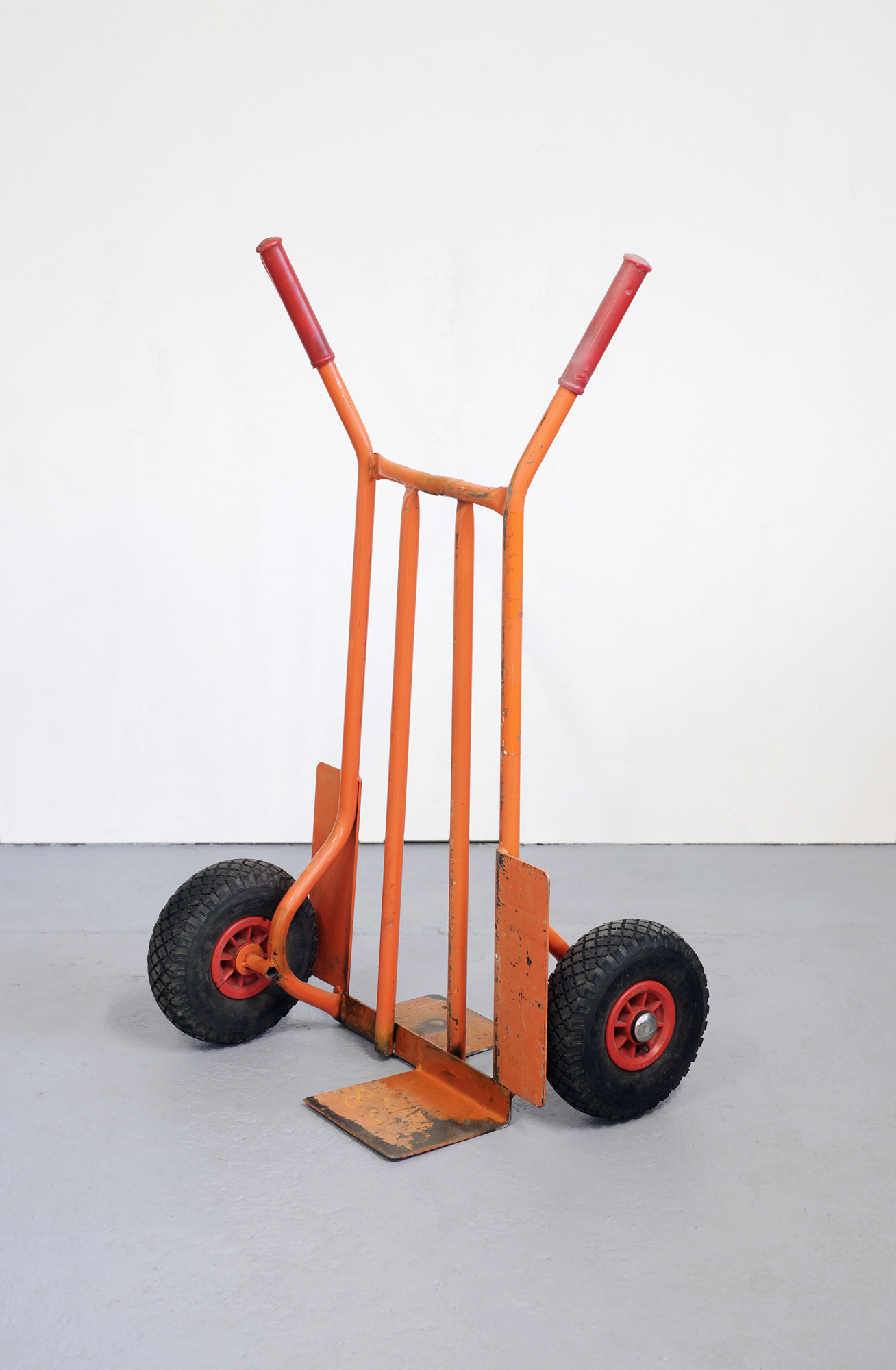
Indecisive Angles VI, 2015
Objects that contain the possibility of multiple stories. Situations that can be turned around. Moments and materials, swapping places. Sofia Hultén’s work can be seen as a form of experimentation in the field of narrativity through the things we find in our everyday lives. Swinging between the ephemeral and the eternal, the way we look at our surroundings allows us to imagine other realities and other poetics, other contacts and connections.
Industrial processes materialise objects that are produced with the intention of attaining standard characteristics and narrow aims. But the wrong use or a particular bias turns many of these objects into questions about themselves that arise when they are understood in a different way. An object that does not do what it should becomes a puzzle, a framework for the imagination and for unplanned options.
As part of the exhibition programme When Lines are Time at the Fundació Joan Miró’s Espai 13, Sofia Hultén presents a series of alternative approaches to found objects. Objects that may in principle be shoes, chains, wheelbarrows or blinds prompt us to speculate about our relationship to our surroundings. Objects with particular stories that are subject to new experiences and new readings.
Refusing to see things “properly” and taking objects to unexpected places are ways of generating alternative possibilities, just as theories of quantum physics – and their computing derivatives – imply the existence of parallel universes that can no longer be denied even though they are based solely on possibility. A significant part of the definition of an object also lies in the multiple layers of possible information.
Information and time, matter and narrative: even if we are dealing with emotional information, lateral readings, and speculative fiction. Sofia Hultén’s exhibition offers a respite for a series of objects, and an opportunity to contemplate their different temporalities. Objects that have become pointless, for instance, or waste and detritus. We wonder: is there any point in modifying objects in such a way that they remain useless? Hultén takes objects from a construction site skip and changes them slightly. A hole here, a cut there... and then she puts them back in the skip. The work, the gesture of working, has no functional purpose. The objects go back into the skip. They disappear again, but they do so with an extra layer that will also remain hidden. The act of working is rendered meaningless, and work becomes a secret hidden among other secrets that we have decided to cast aside.
More lost objects: shoes on the street. Pairs of shoes that people have abandoned, but are still valid products. The idea of leaving shoes so that others can use them once we no longer want them, rather than throwing them out. A gesture that could appear to be condescending or craving to be useful, which Sofia Hultén uses as a point of departure to put together an urban itinerary. Shoes and the quest to find shoes shed a different light on the city. They lead us on to odd paths, leaving a trace full of narrativity. The last pair of shoes leads to the next. A new layer of life is added to the shoes, becoming an unrecognised – but nonetheless undeniable – element in their possible later use by other people. And shoes, those unstable objects in urban design, will guide Hultén’s actions. Here she has to stop, pick up a pair of shoes, and replace them with the ones she is carrying. In an infinite circle in which shoes find places and moments of respite.
While the show allows us to see the temporality of objects through videos (shoes and waste), it also includes objects that bring layers of time and added gesture into the exhibition space. Wheelbarrows that don’t work and initially appear to be in the wrong place. The wrong gesture makes it possible to release these objects from their servitude to labour. The same could be said of chains, cranes, and even metal blinds or bicycles that become narrative structures, or possibilities that also form part of their identity: spaces of writing, and narrative material that includes a certain performativity. In their stillness, almost as if they were part of a choreography, the objects move, bend, acknowledge us from an ironic position. All that they could be and are not, all those possible derivations, all those uses that are not pre-designed. Coarseness becomes fragility, mechanics becomes poetry. Forcefulness becomes a caress.