Unstable Fakers of Change in Self
TextKINDL Zentrum für Zeitgenössische Kunst, Berlin 2018
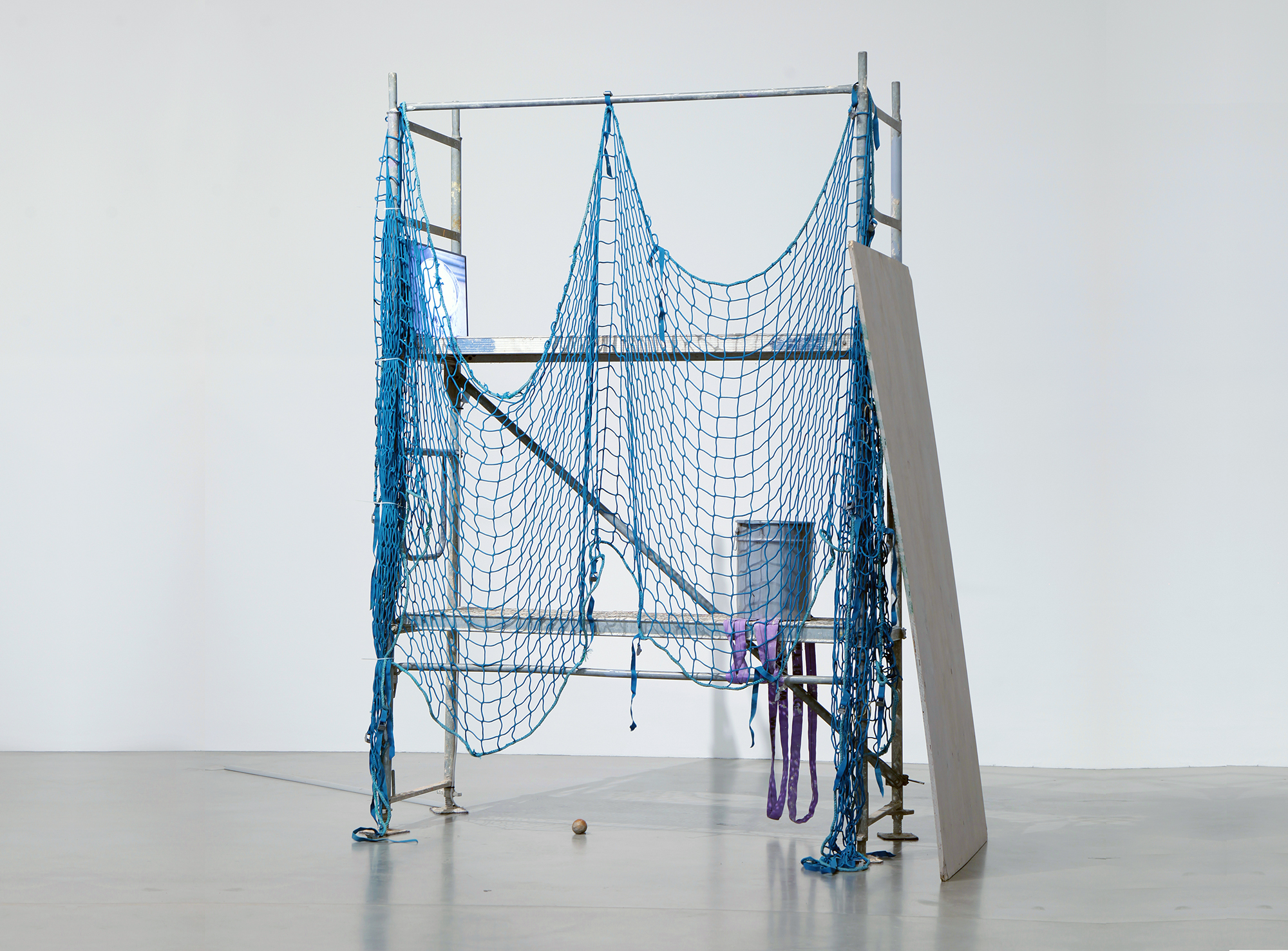
Unfortunate Fiends of Clowns in Shit, 2018
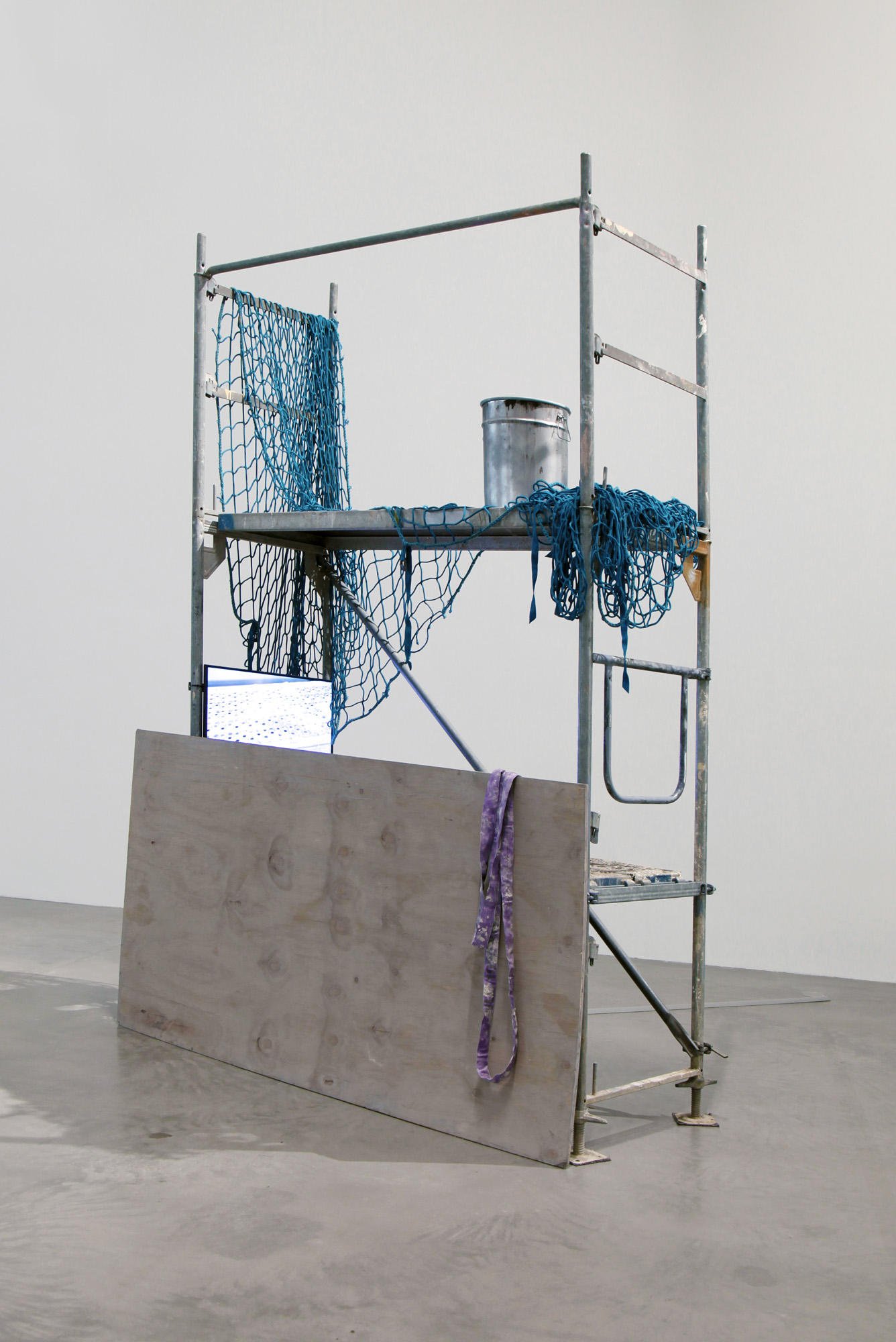
Uncommon Flecks of Conglomerates in Salvage, 2018
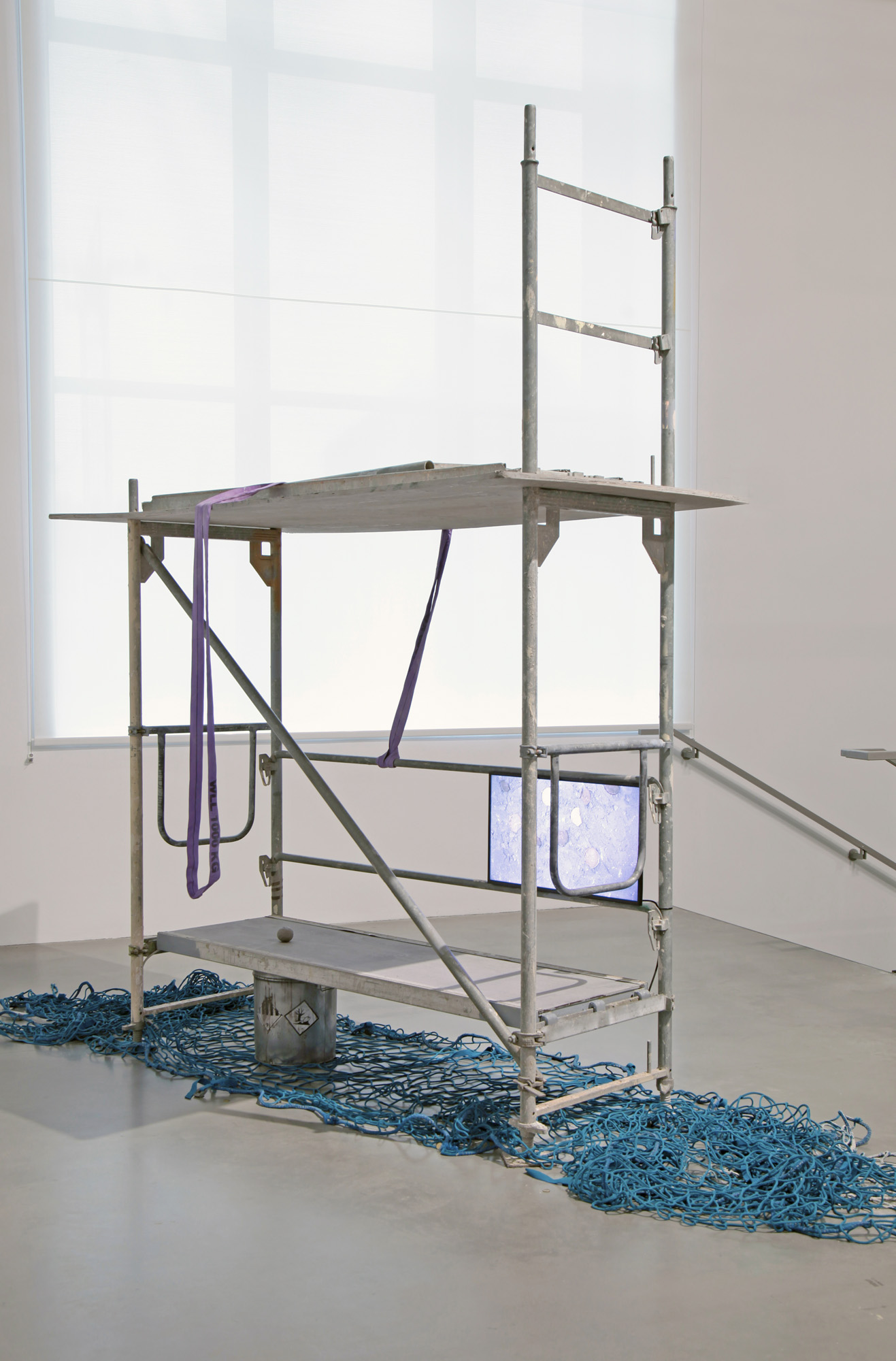
Unglued Fractures of Claws in Suspense, 2018
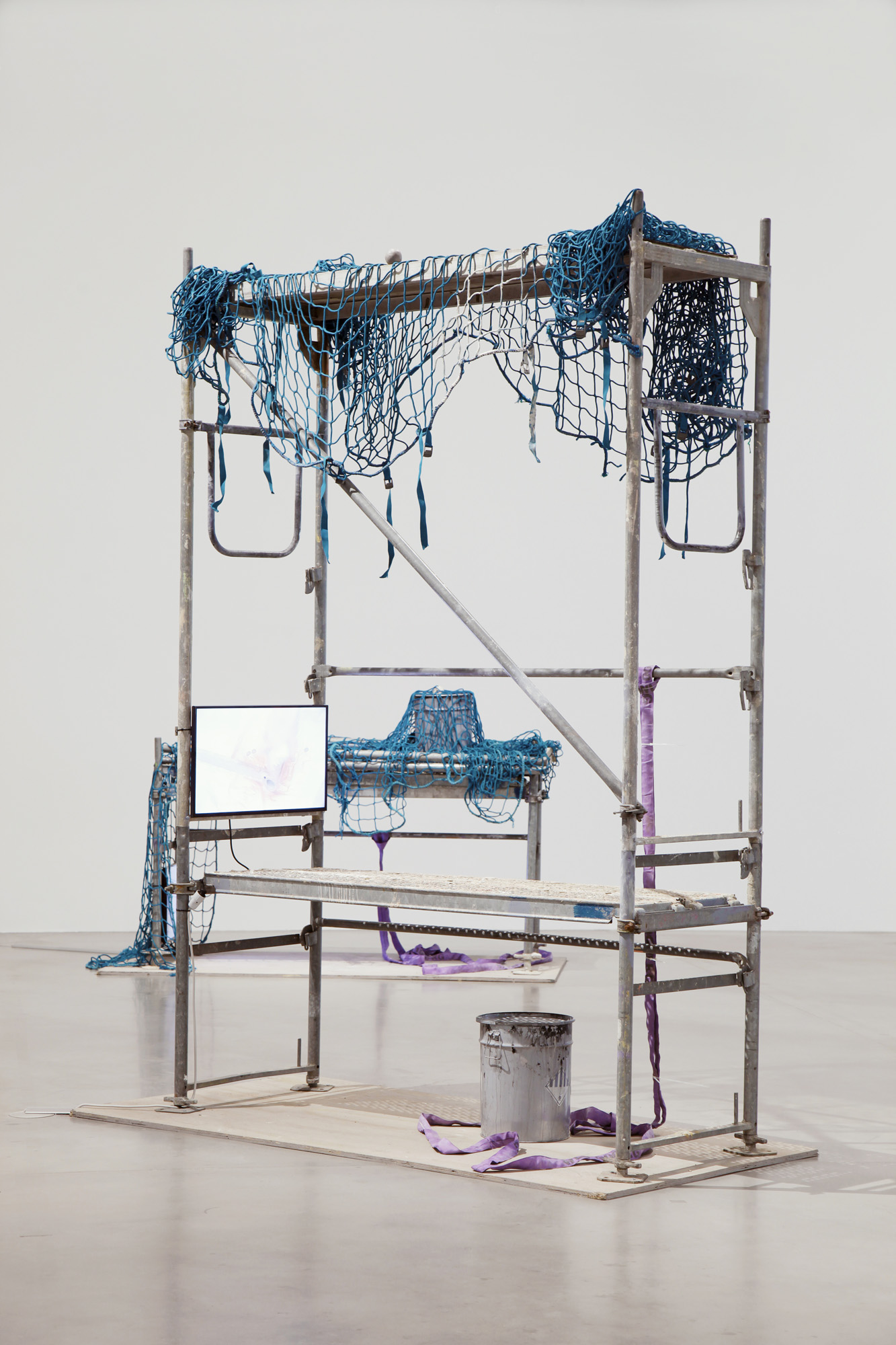
Unknown Funnels of Clay in Structure, 2018
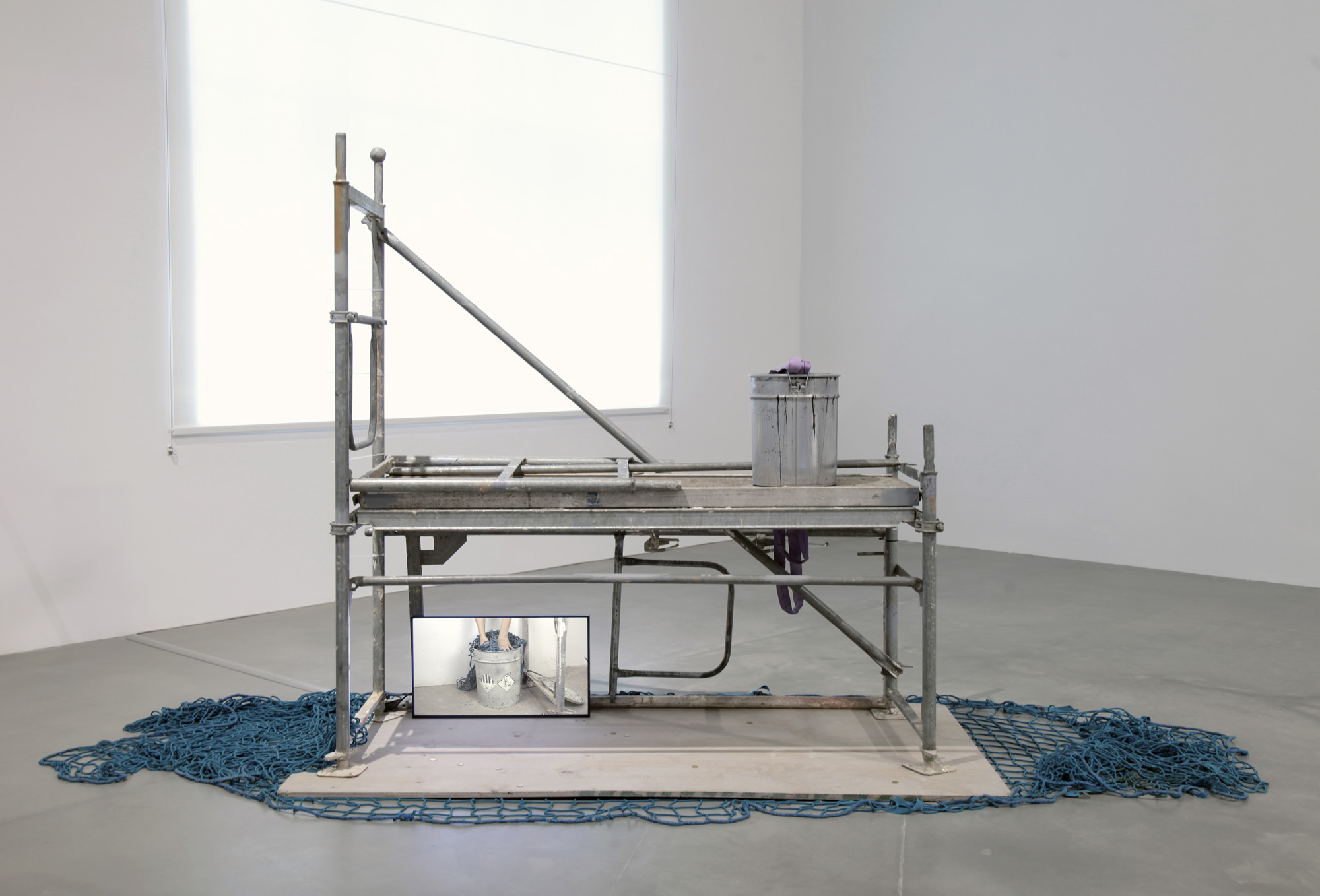
Underground Fusion of Cults in Satire, 2018
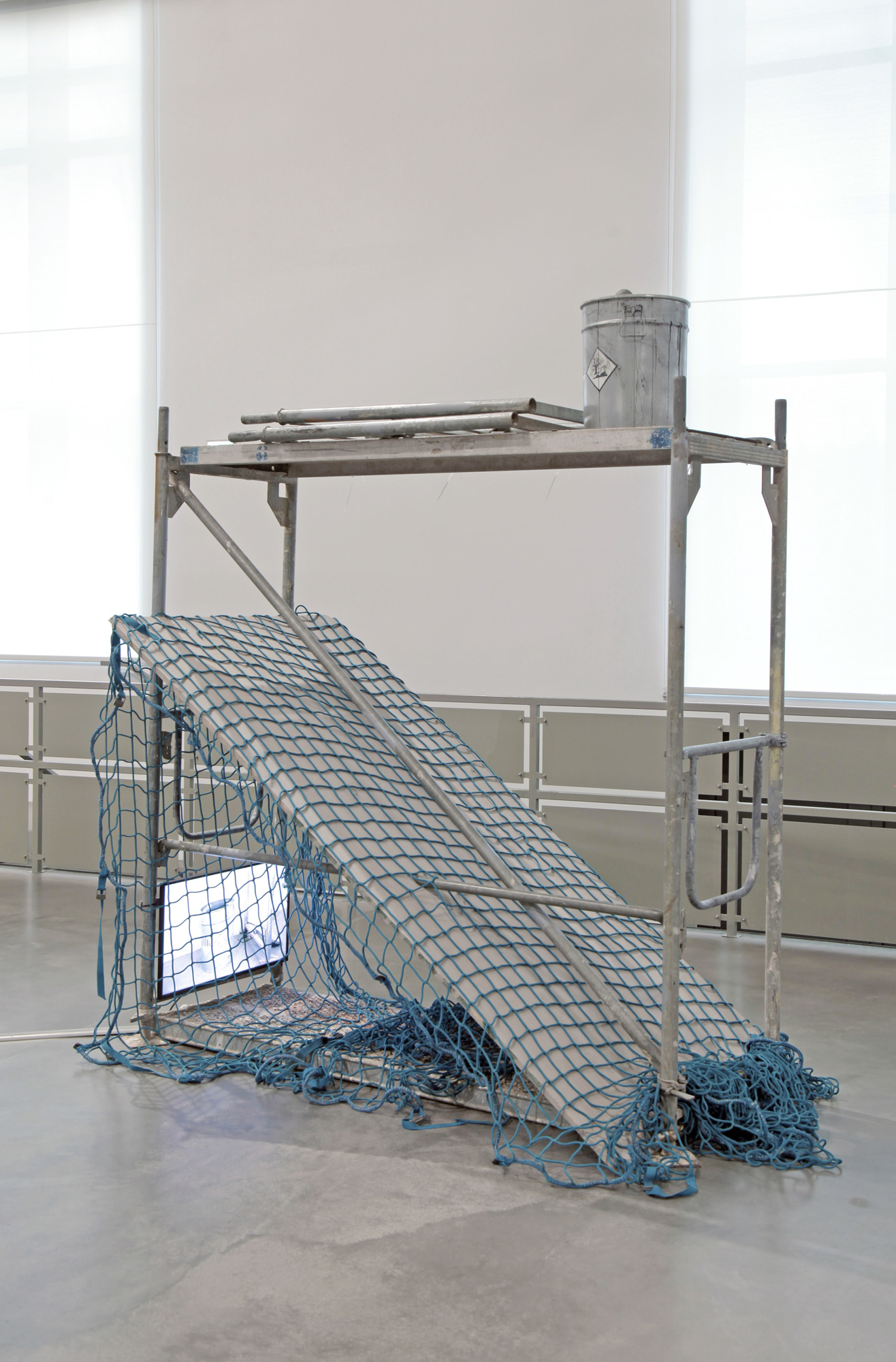
Unparalleled Forests of Crystals in Sewer, 2018
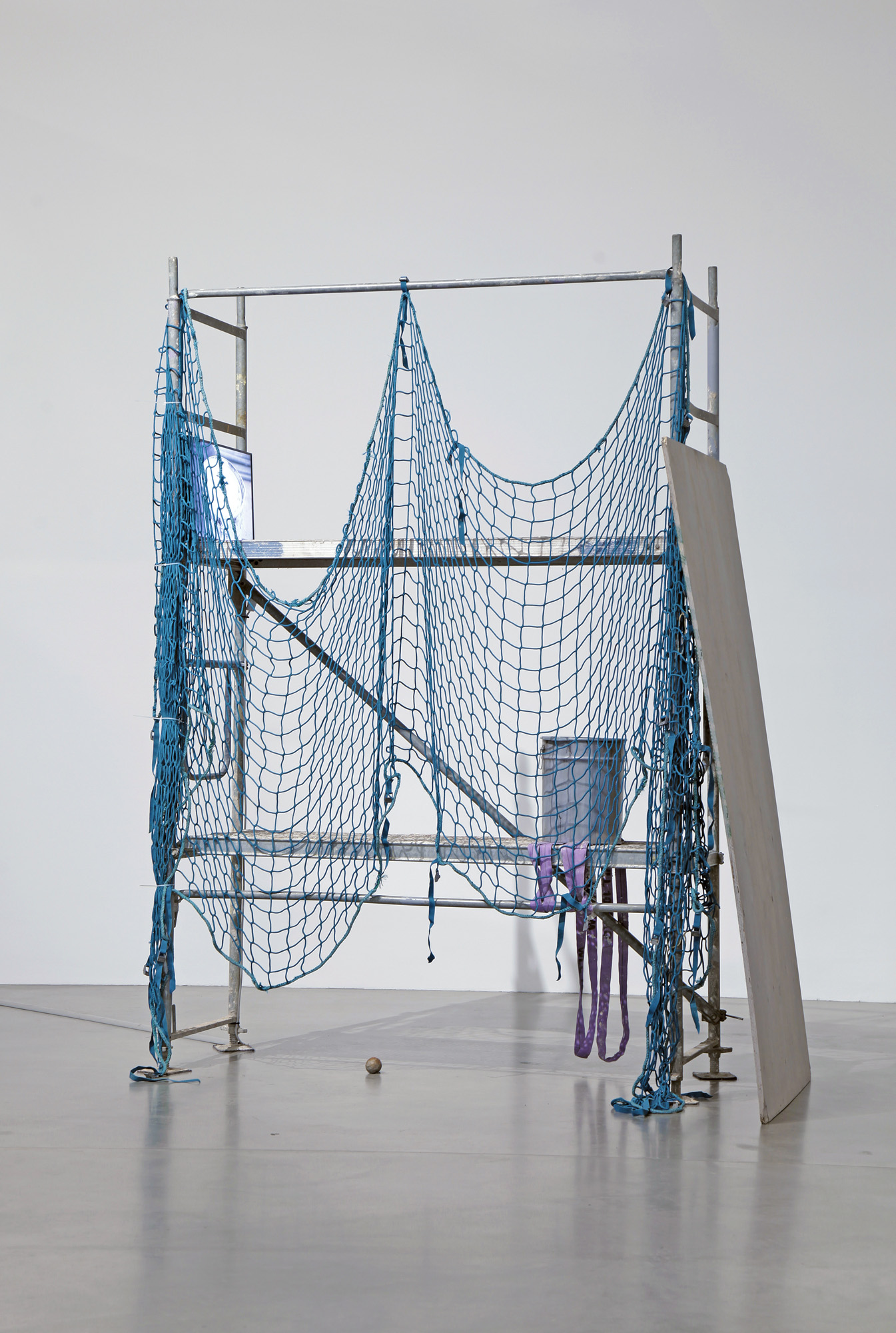
Unfortunate Fiends of Clowns in Shit, 2018
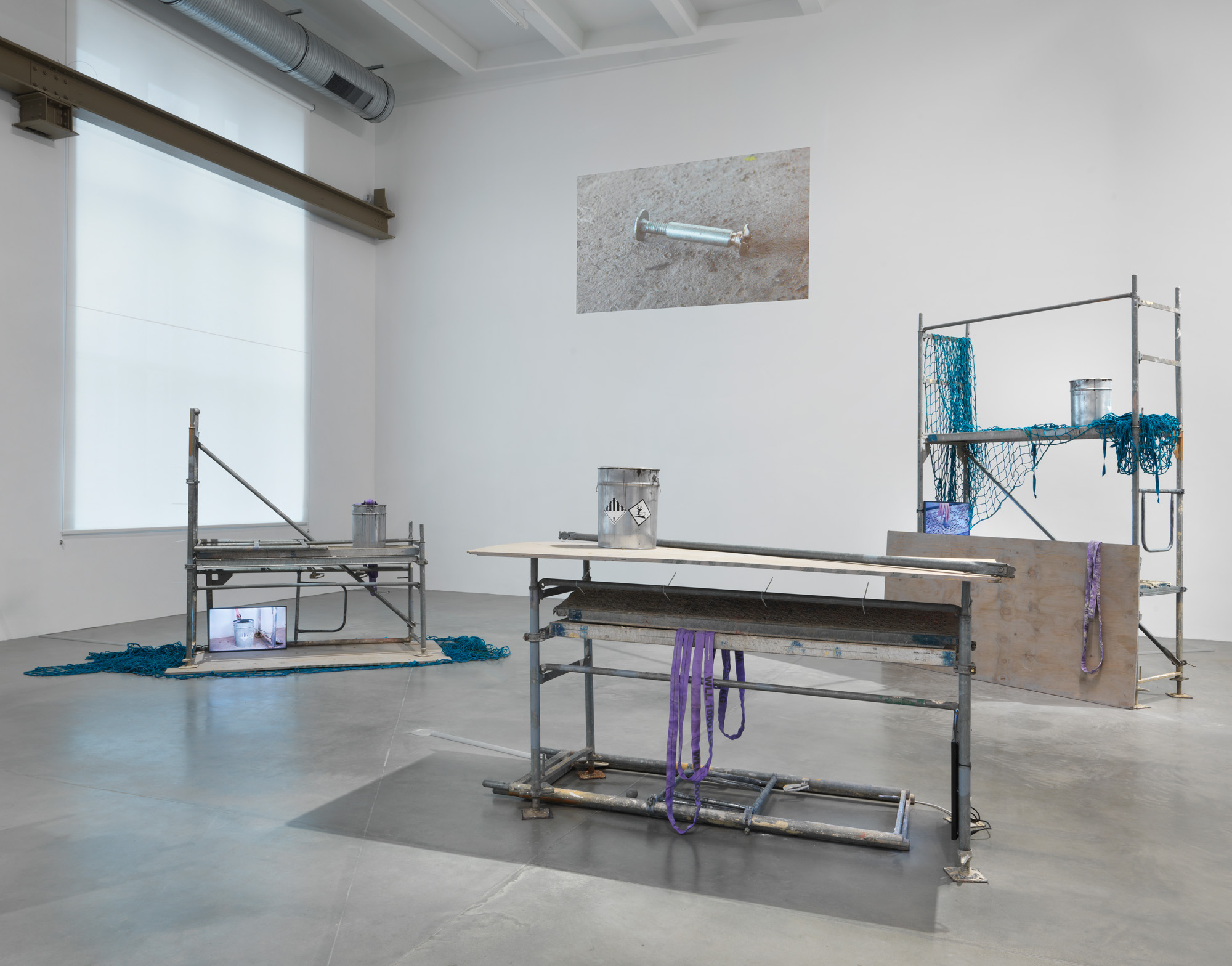
Unstable Fakers of Change in Self, KINDL Zentrum für zeitgenössische Kunst, Berlin, 2019, installation view
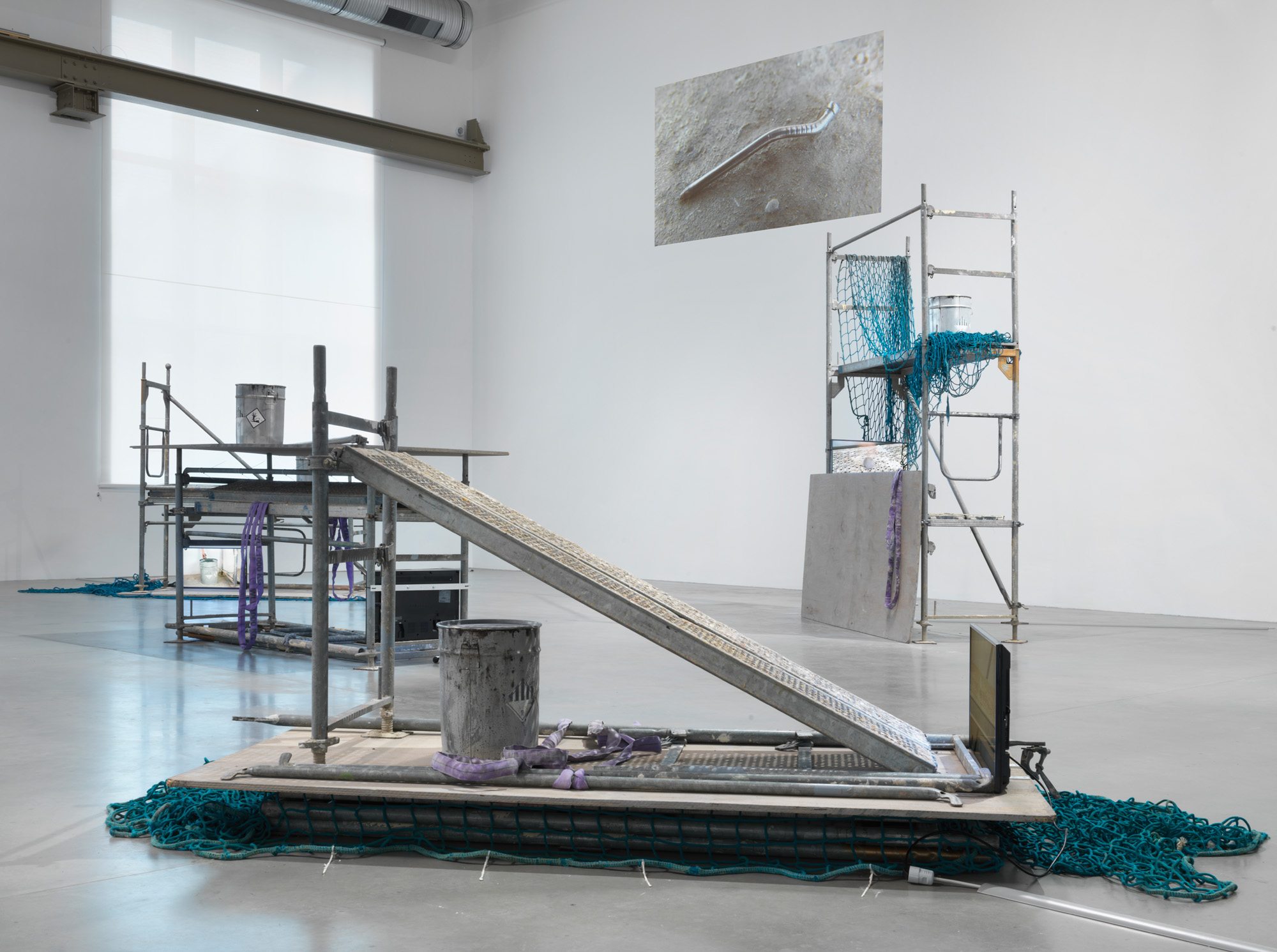
Unstable Fakers of Change in Self, KINDL Zentrum für zeitgenössische Kunst, Berlin, 2019, installation view
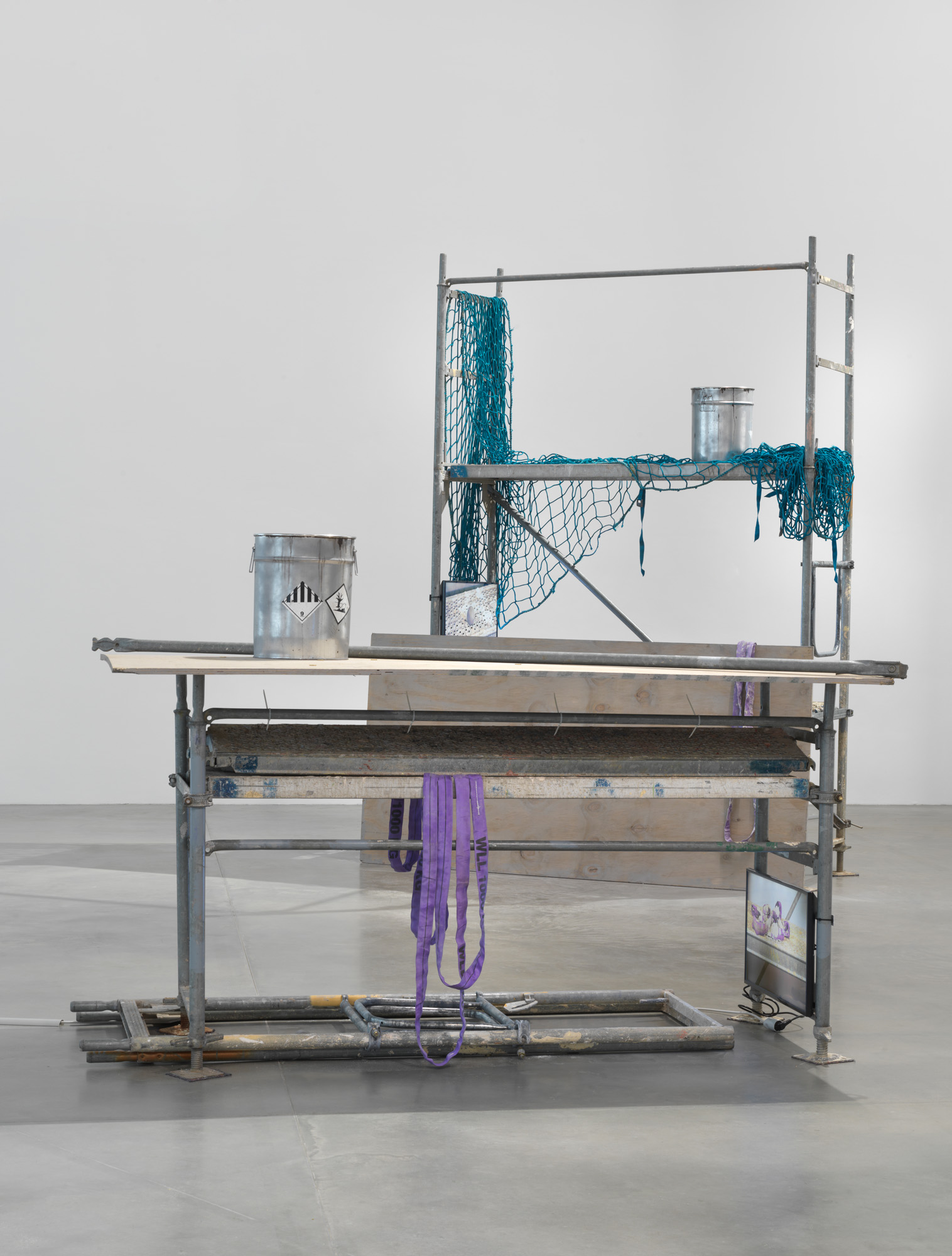
Unstable Fakers of Change in Self, KINDL Zentrum für zeitgenössische Kunst, Berlin, 2019, installation view
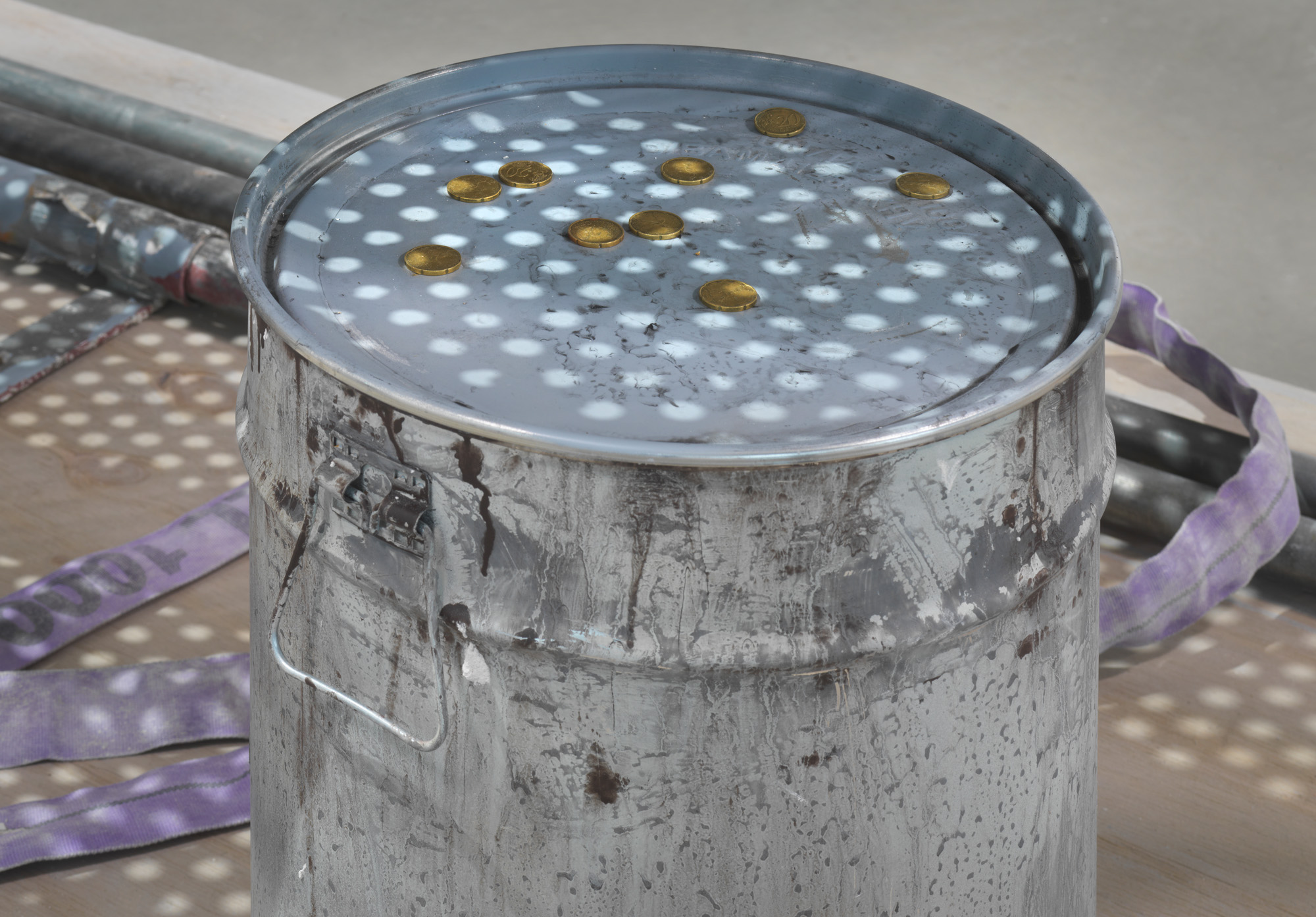
Unknown Funnels of Clay in Structure, 2018, detail
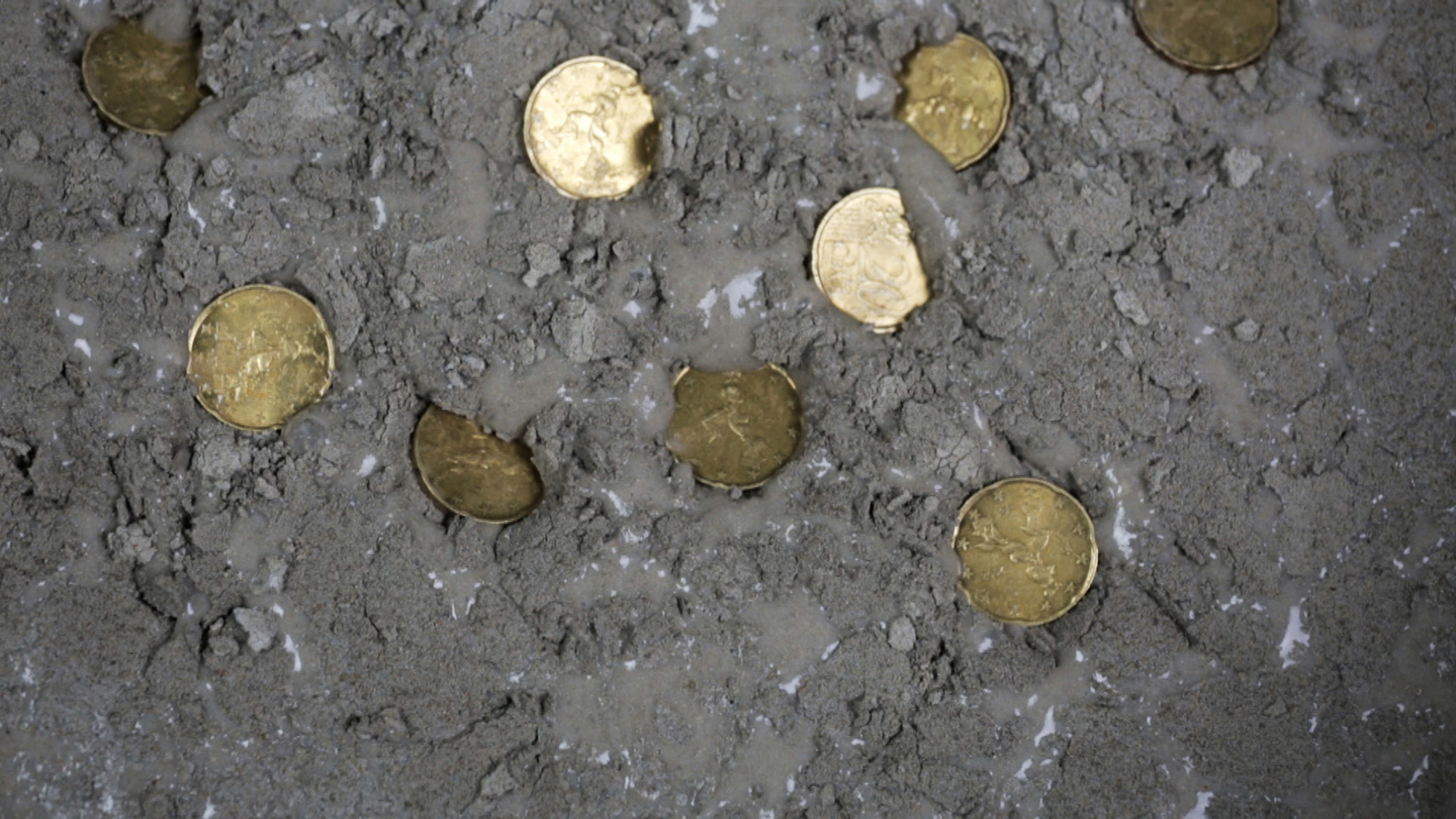
Unstable Fakers of Change in Self, 2018, video still
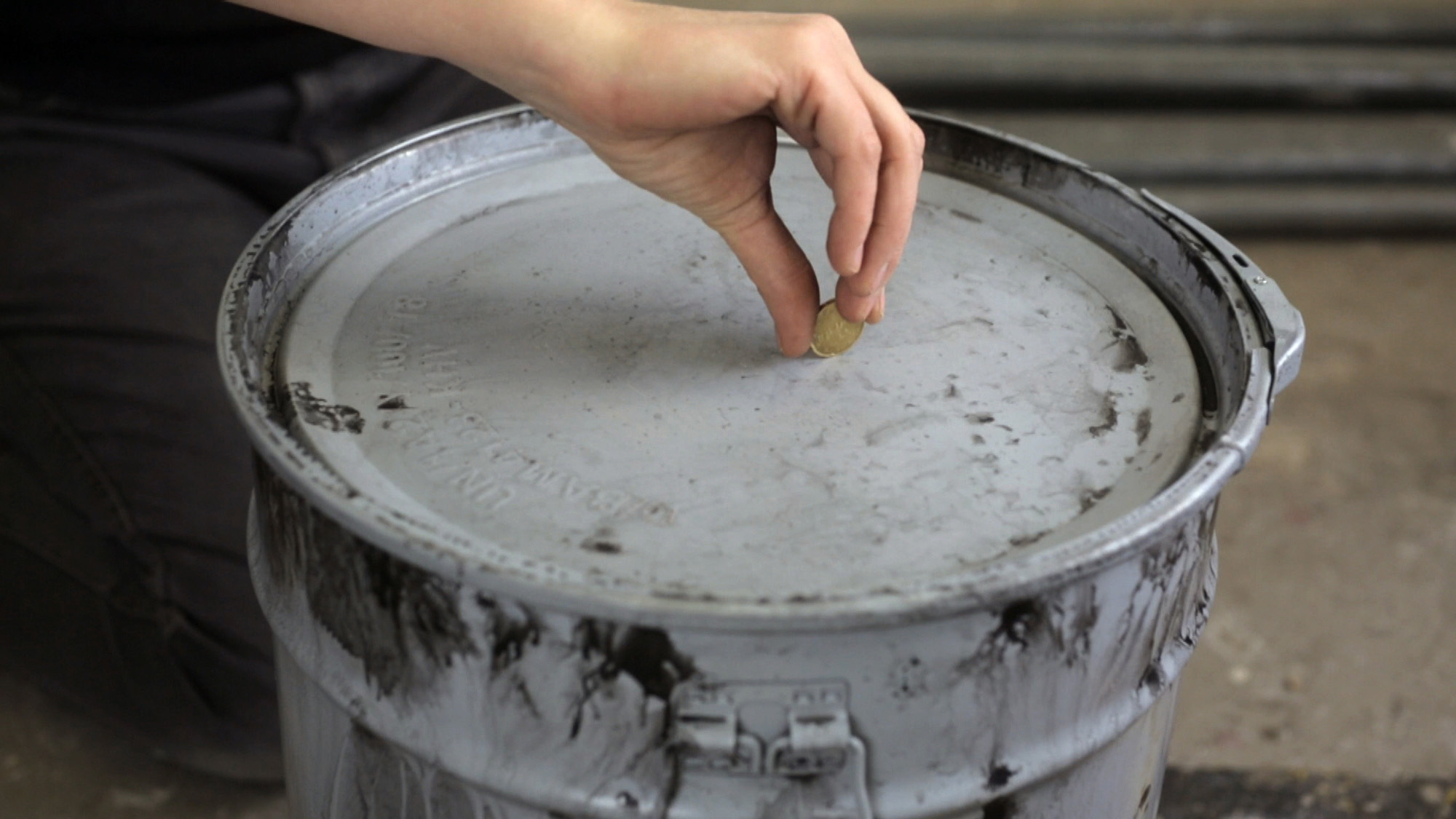
Unstable Fakers of Change in Self, 2018, video still
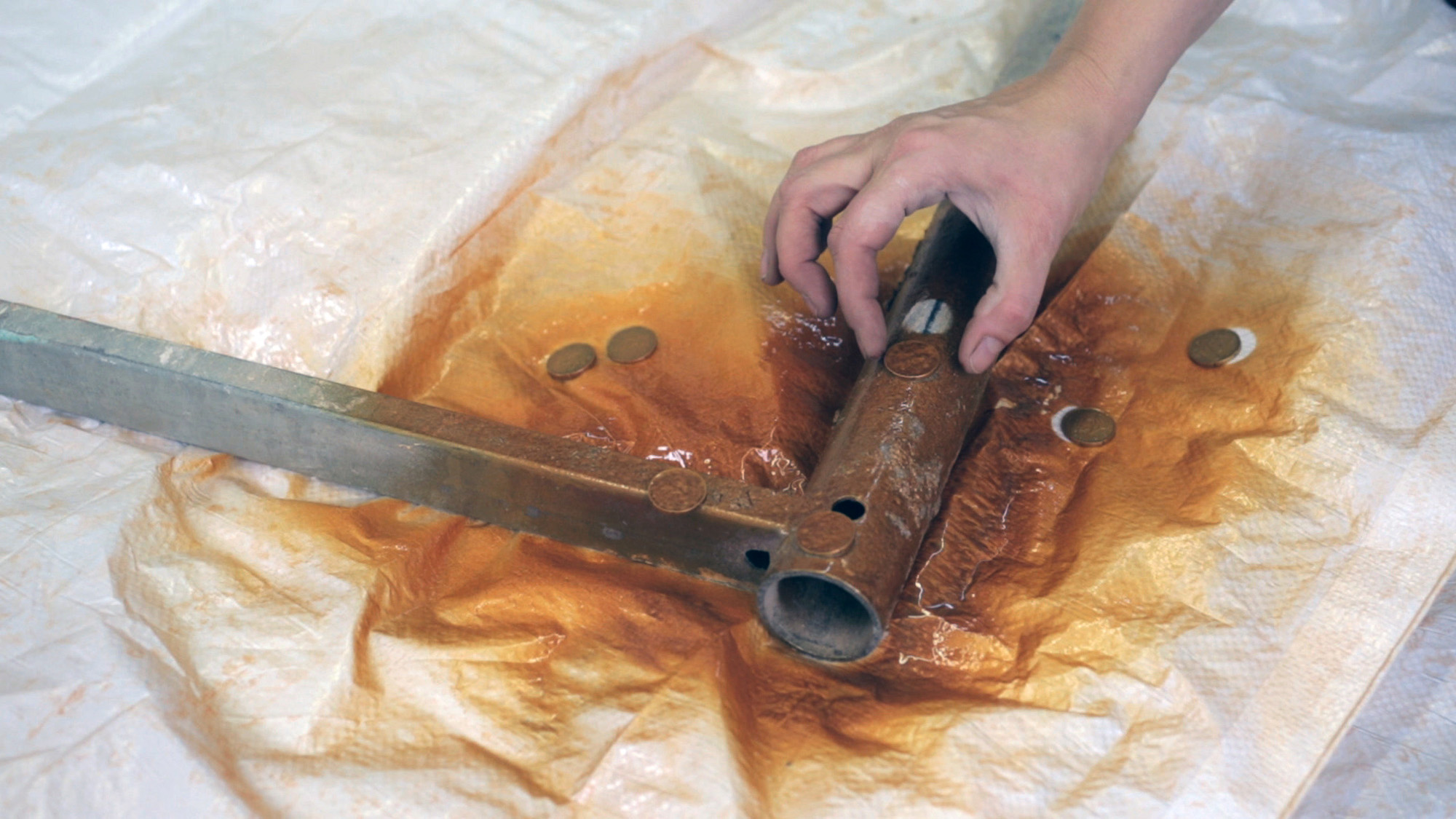
Unstable Fakers of Change in Self, 2018, video still
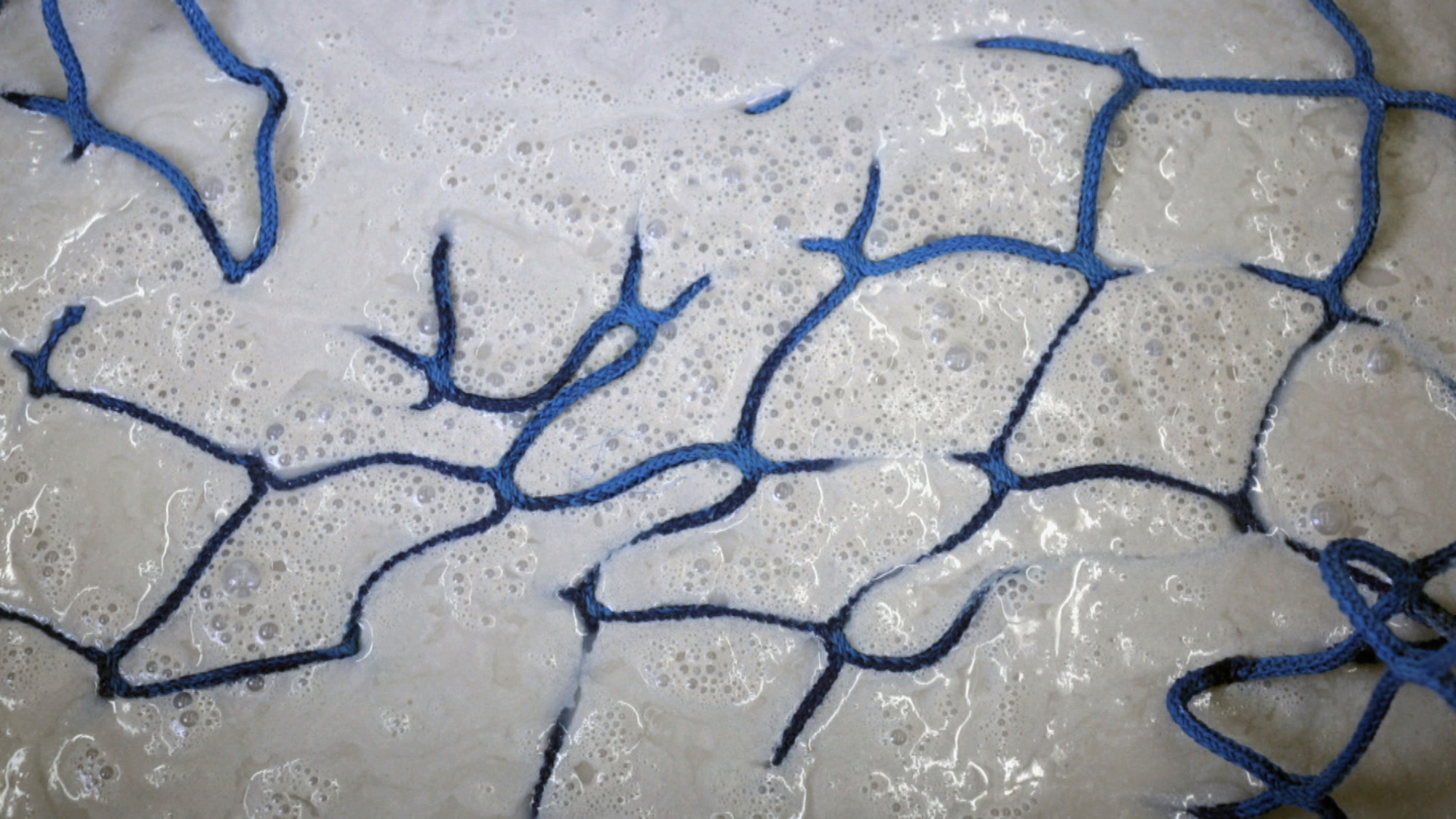
Unstable Fakers of Change in Self, 2018, video still
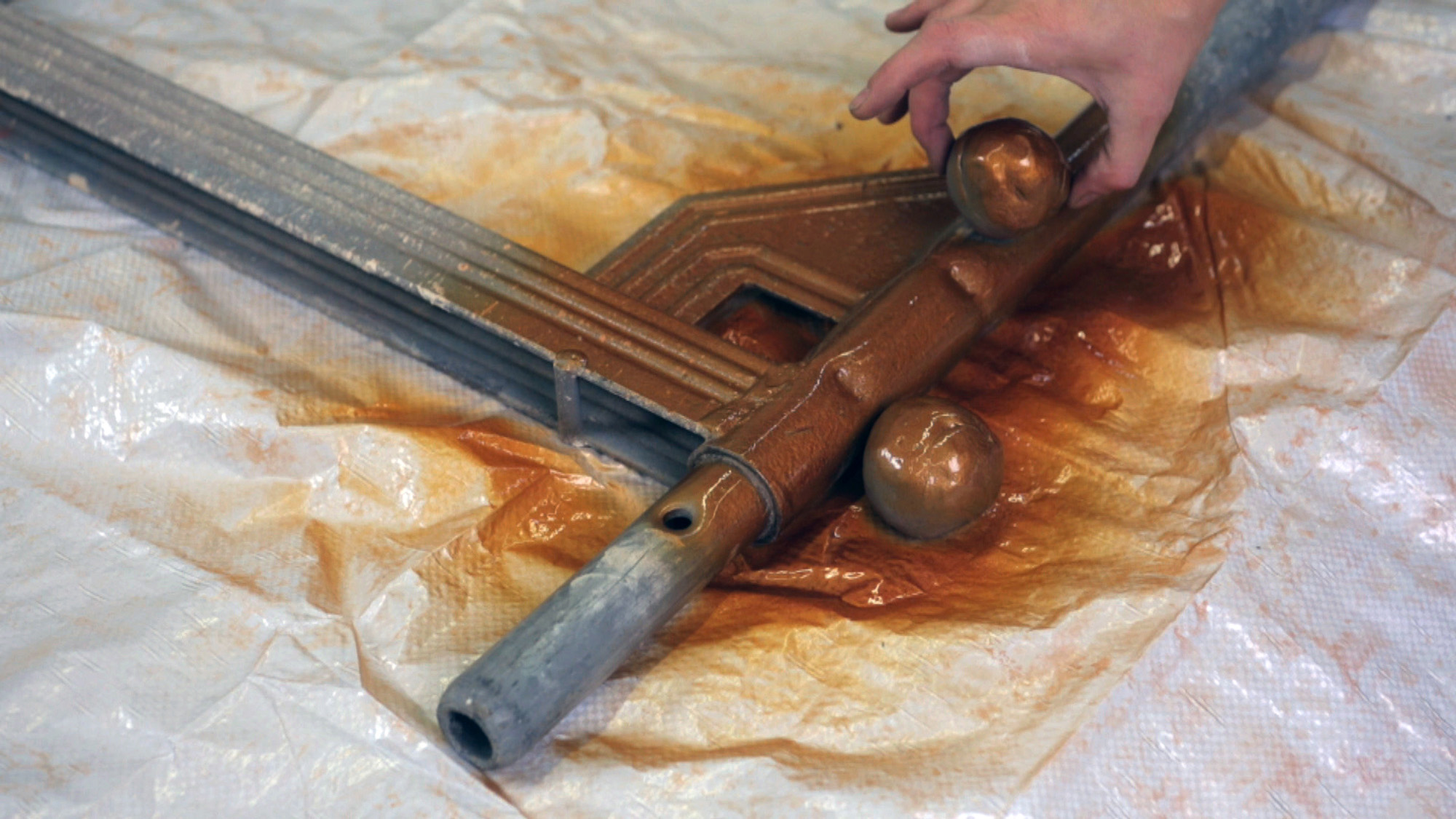
Unstable Fakers of Change in Self, 2018, video still
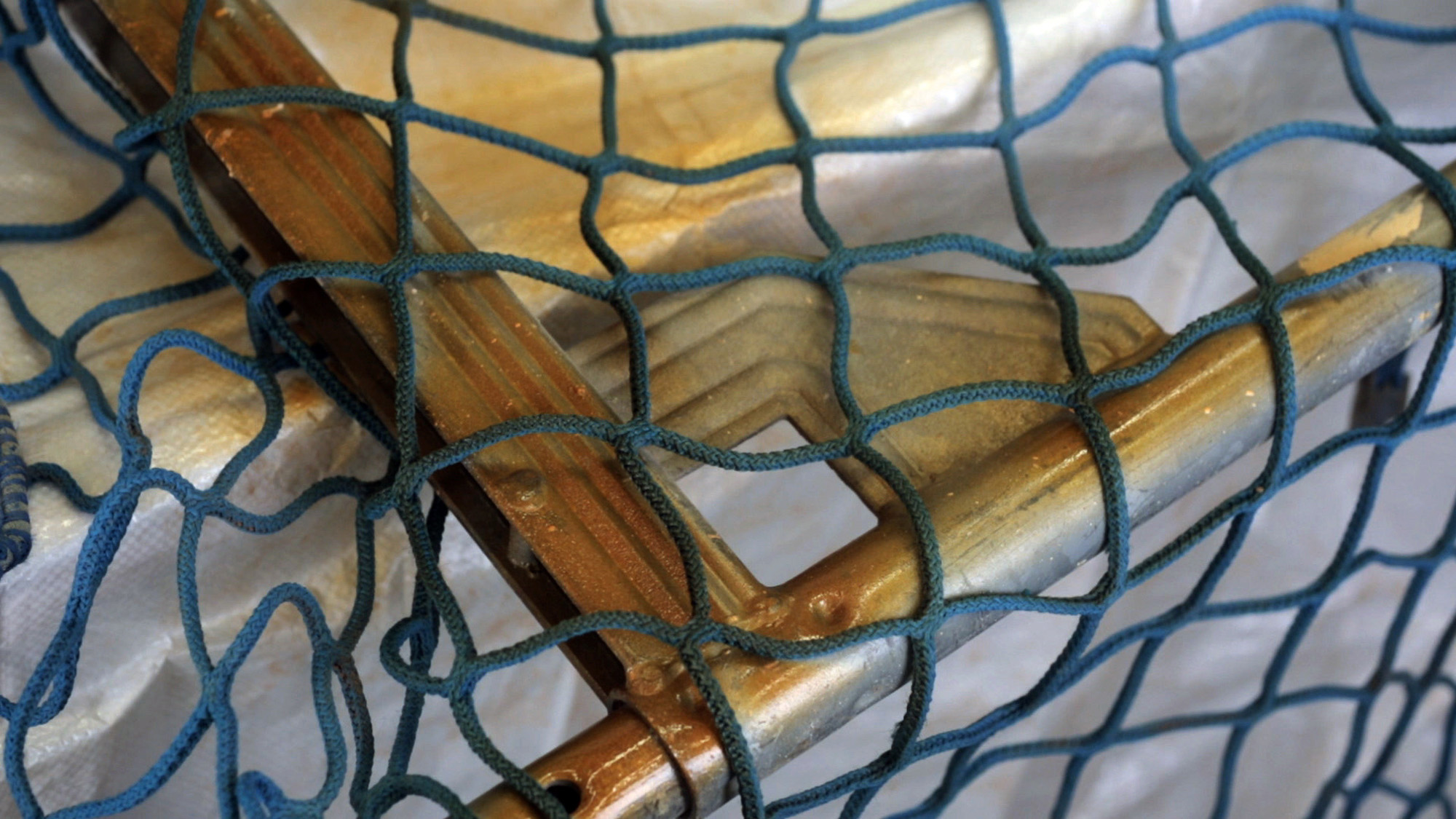
Unstable Fakers of Change in Self, 2018, video still
Sofia Hultén’s exhibition Unstable Fakers of Change in Self at KINDL – Centre for Contemporary Art presents a new series of nine freestanding sculptures combining scaffolding, everyday construction materials, and video. Hultén breaks up temporal structures and causal relationships and negotiates dimensions of the possible.
The starting point for the exhibition’s somewhat cryptic title is Umberto Boccioni’s bronze sculpture Unique Forms of Continuity in Space (1913) which is featured on the Italian twenty-cent coin. This central work of the Futurist movement, whose link to Italian fascism is undisputed, exemplifies Boccioni’s artistic aim of visualising a body’s movement and its dynamics in space. Hultén borrows the initial letters of the words in the title of this work – U-F-o-C-i-S – to form her own combinations of words, which she uses for the exhibition title, Unstable Fakers of Change in Self, as well as the titles of the individual works.
The nine works are each literally composed of a basic framework as well as a defined repertoire of a wide variety of objects: construction net, round sling, metal bucket, wood panel, cable ties, Italian twenty-cent coins, and a plasticine ball. The artist continually rearranges and recombines these items. The apparent signs of wear on the scaffolding parts primarily point to their original use at construction sites. On closer examination, however, traces added by the artist, which were produced by in most cases very simple actions, become visible. These are revealed in the video sequences that are part of the individual works. Thus, in the videos Sofia Hultén provides concrete clues about the traces and at the same time creates a dense network of connections between the sculptures distributed across the room for visitors to discover. Furthermore, the videos create a multilayered soundtrack that adds an additional level to these connecting lines. Hultén playfully defies linear sequences and upends the principle of cause and effect: instead of temporal continuity and chains of causation, she emphasises simultaneity and the wide range of possibilities. Everything could have turned out quite differently, after all.
The exhibition also includes the earlier video Past Particles (2010), in which more than 1,000 found everyday objects are presented individually, giving discarded and seemingly insignificant things an almost archaeological and sculptural presence.