How Did It Get So Late So Soon
ImagesKunstverein Braunschweig 2013
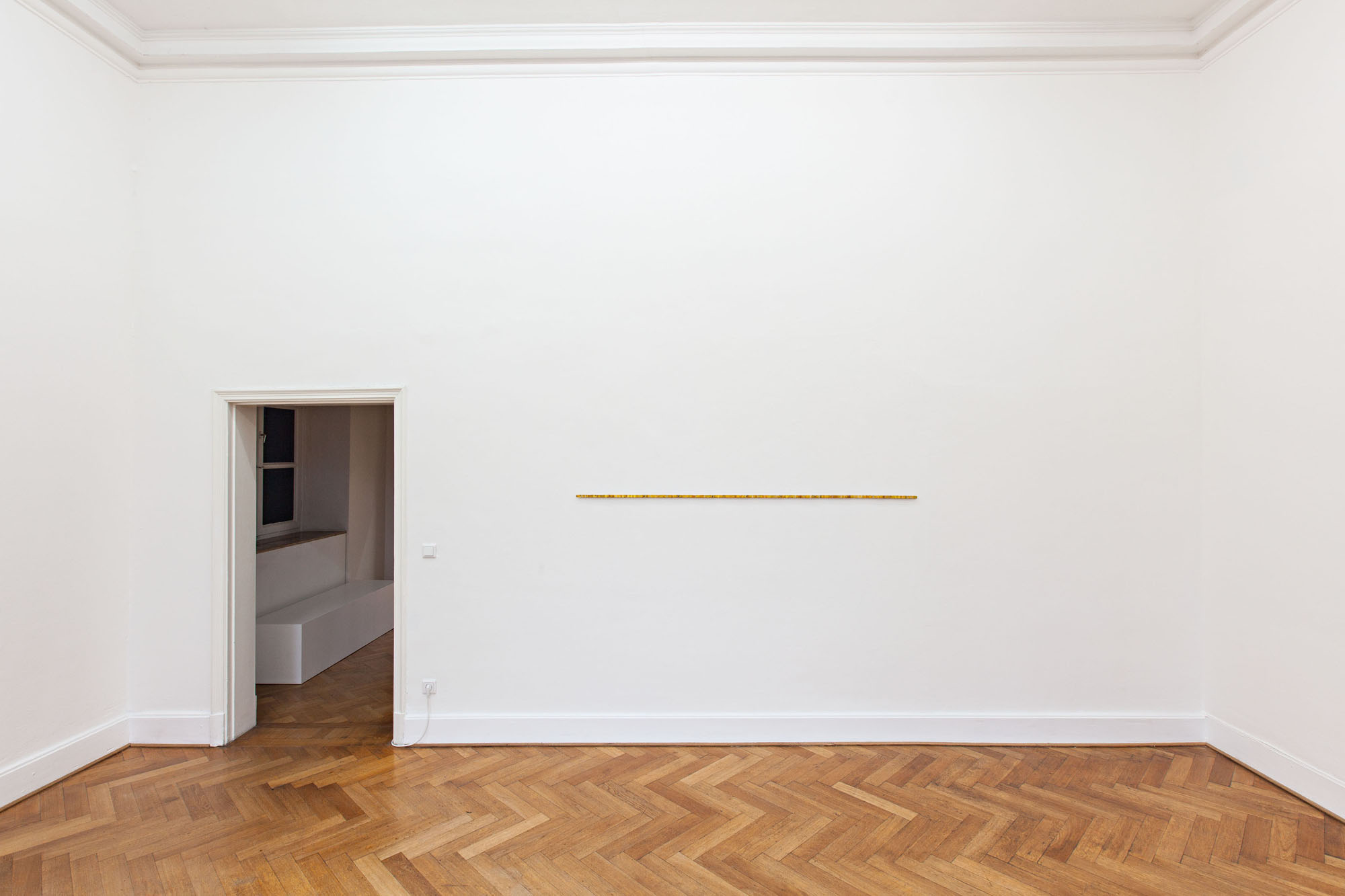
Two Hundred to One, 2011
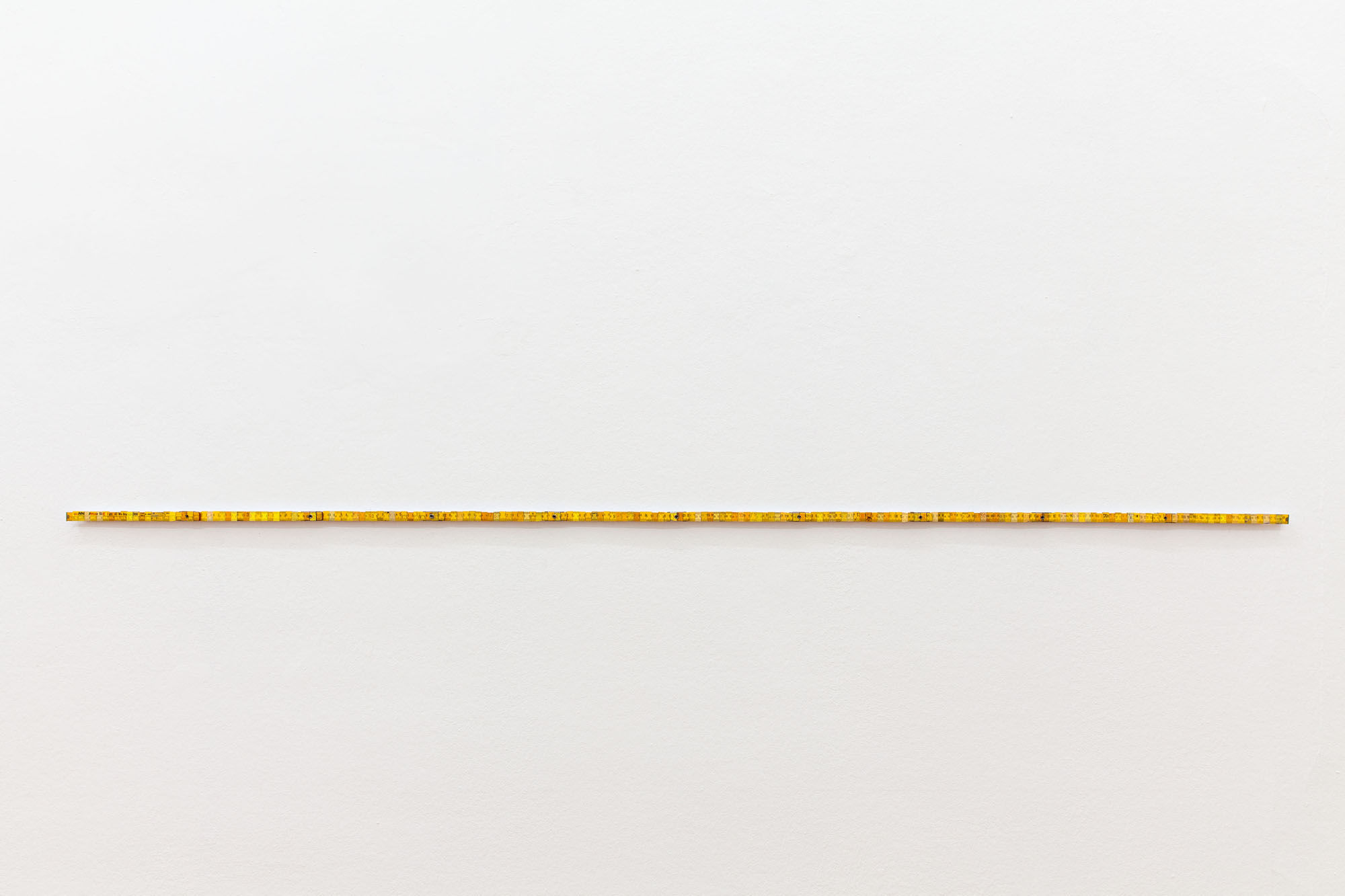
Two Hundred to One, 2011
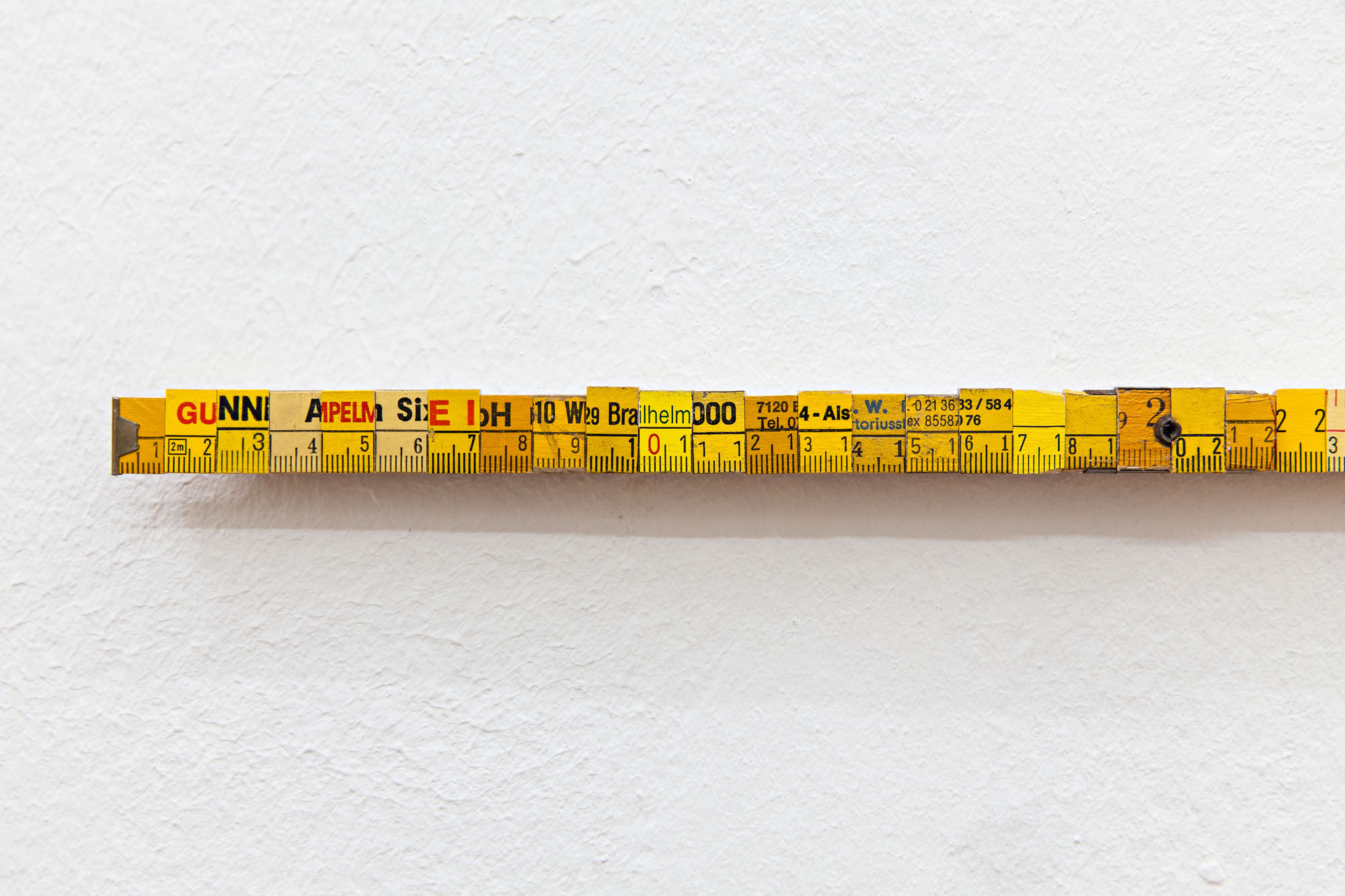
Two Hundred to One, 2011
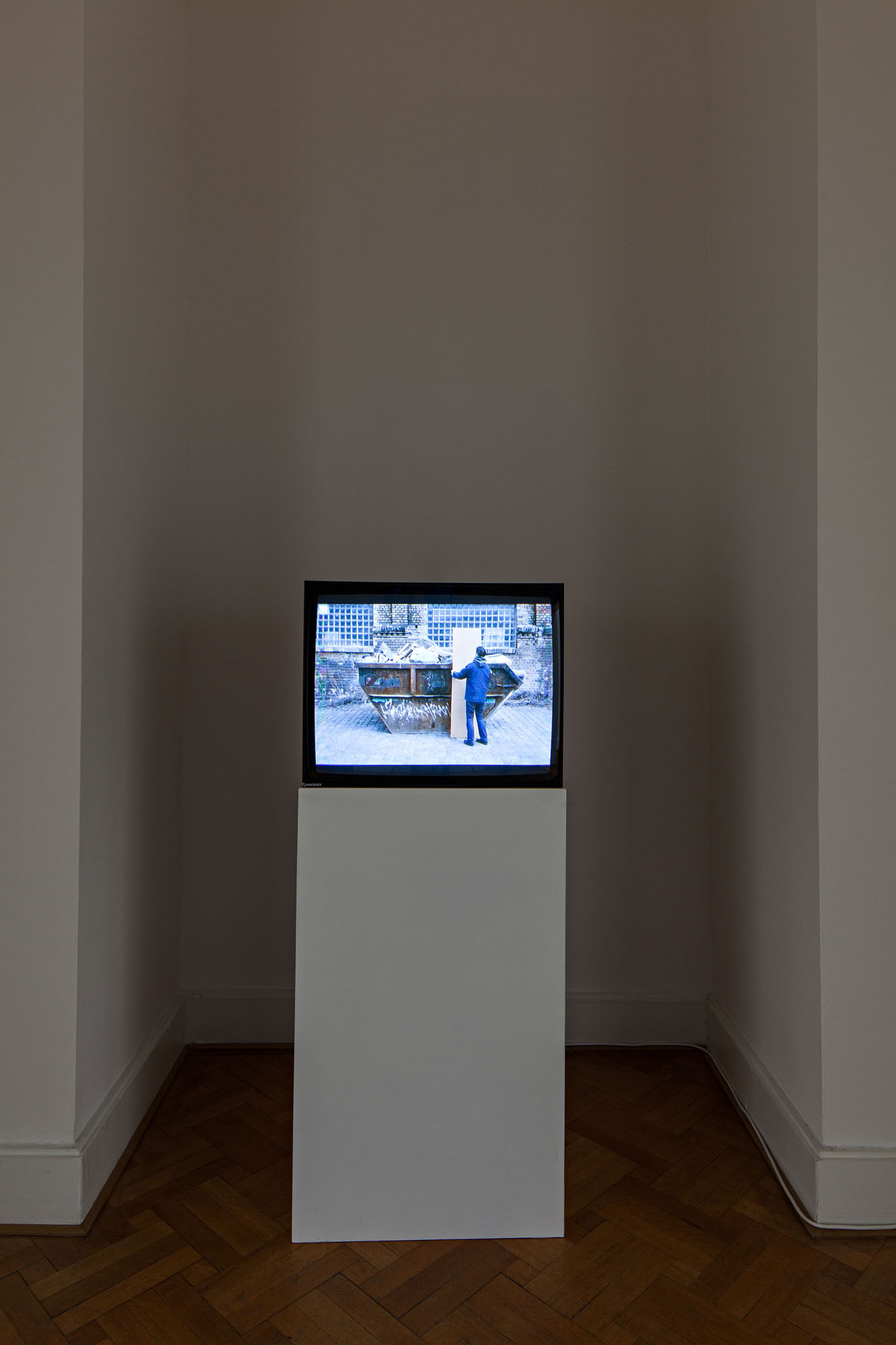
Altered Fates, 2013
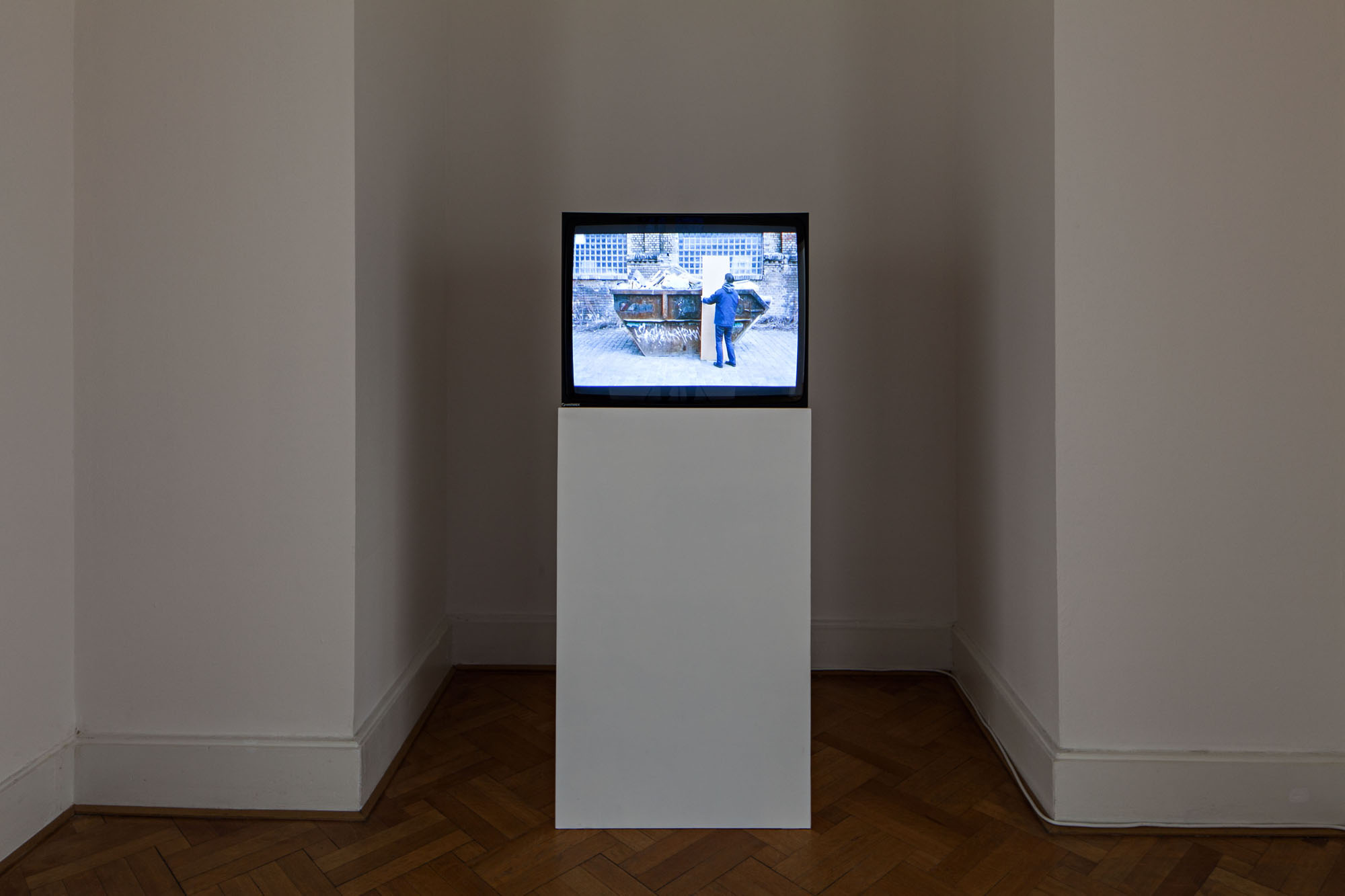
Altered Fates, 2013
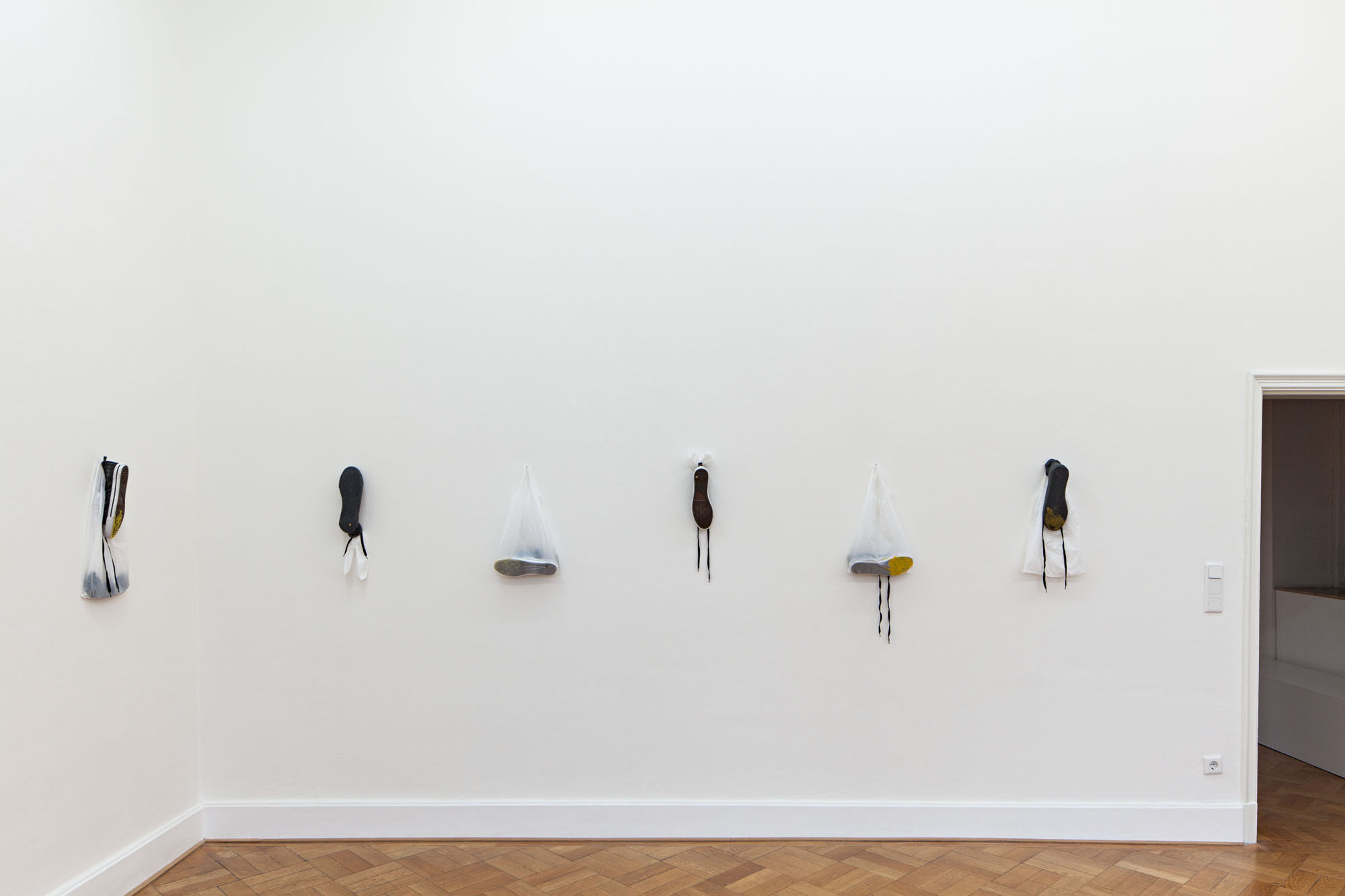
Versions of Events, 2011
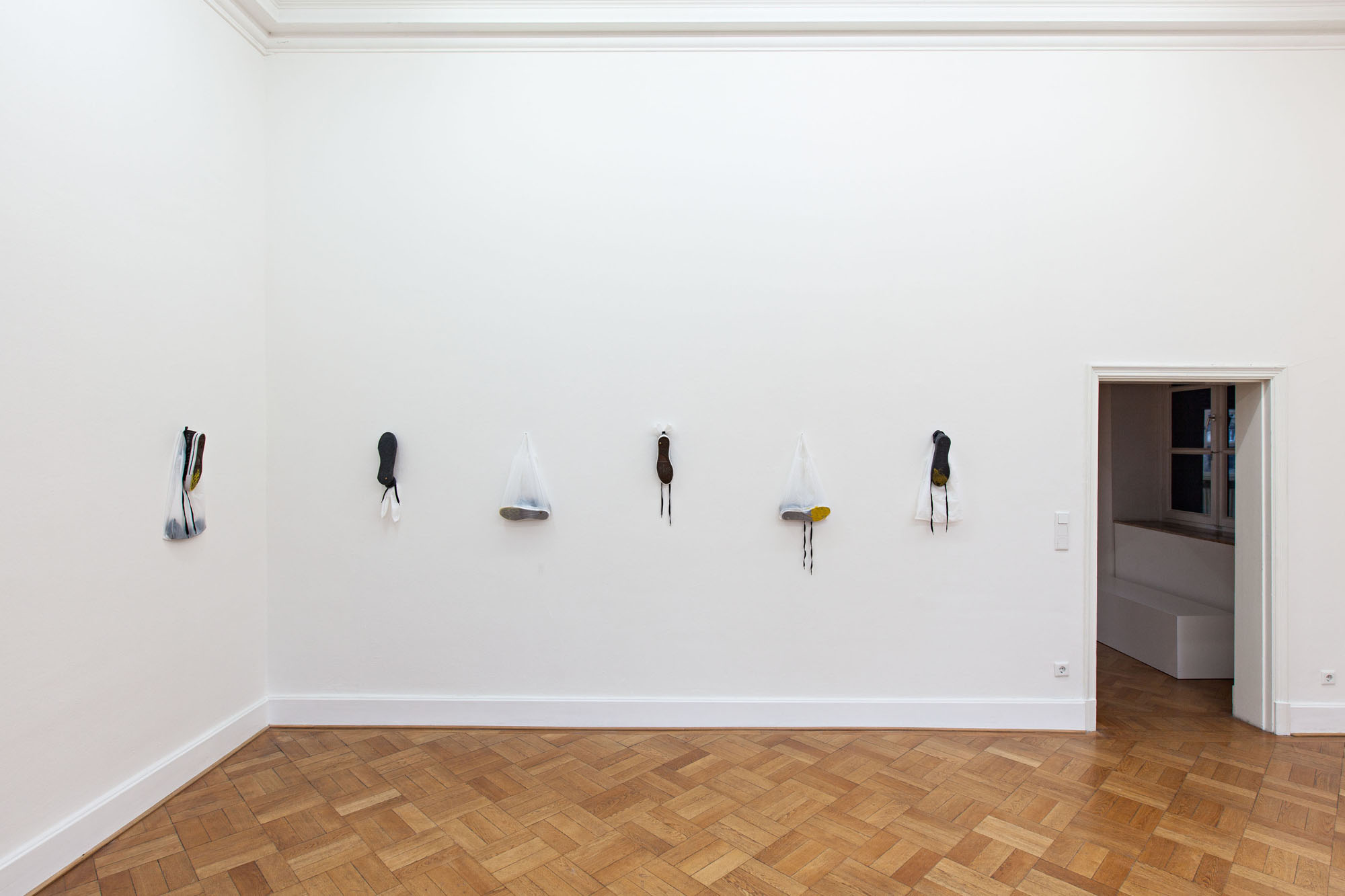
Versions of Events, 2011
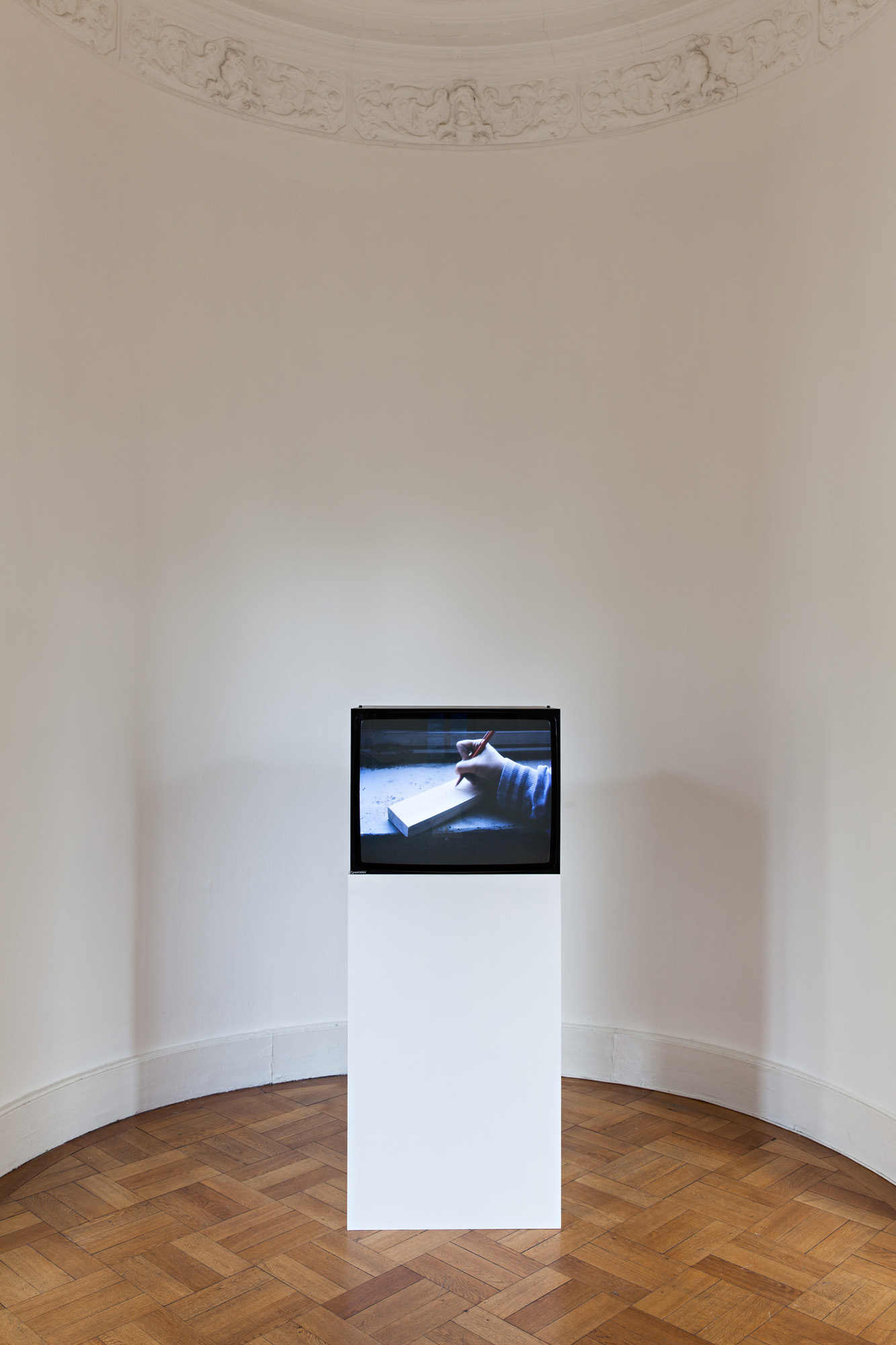
One in Ten, 2011
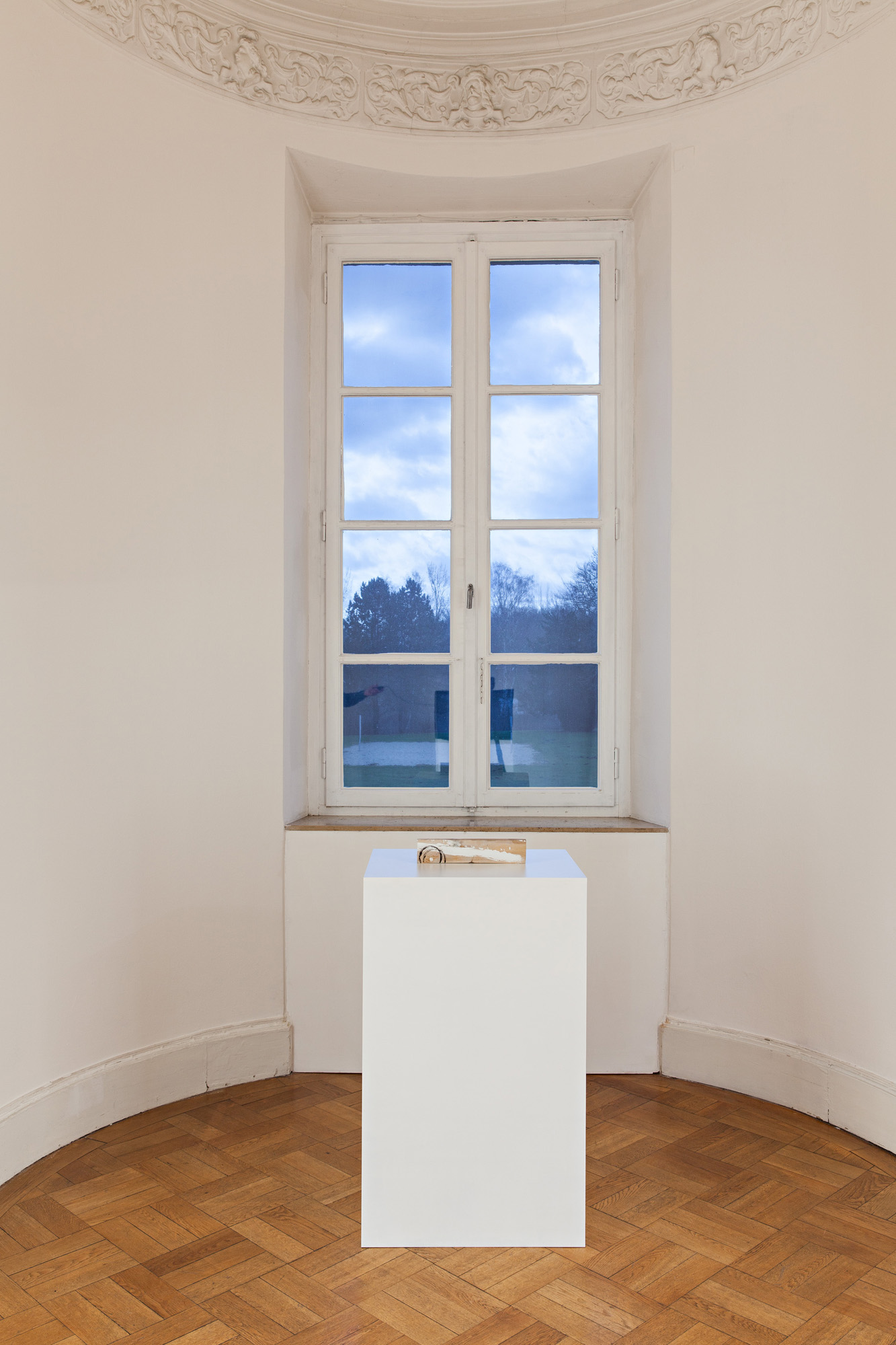
One in Ten, 2011
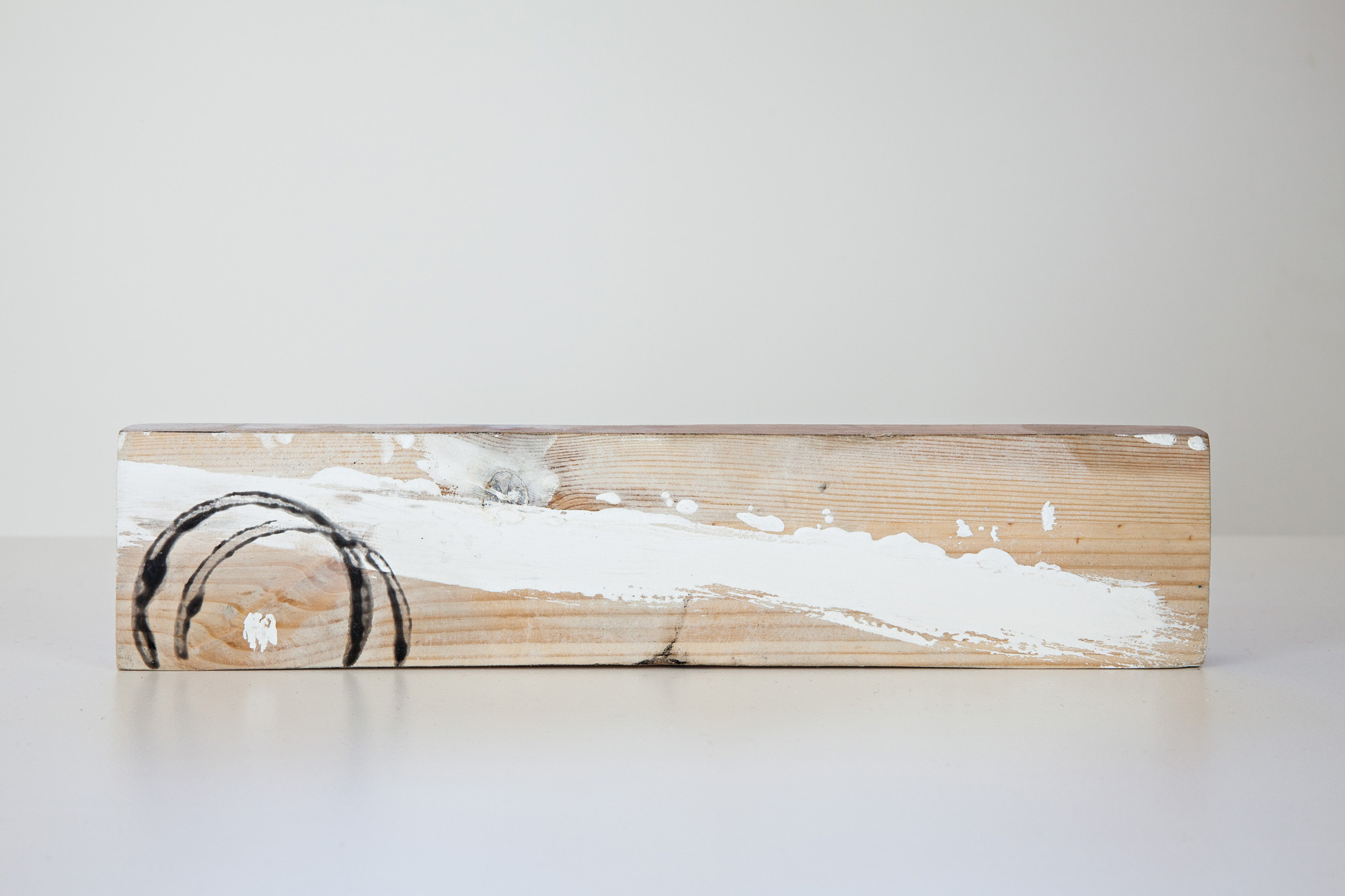
One in Ten, 2011
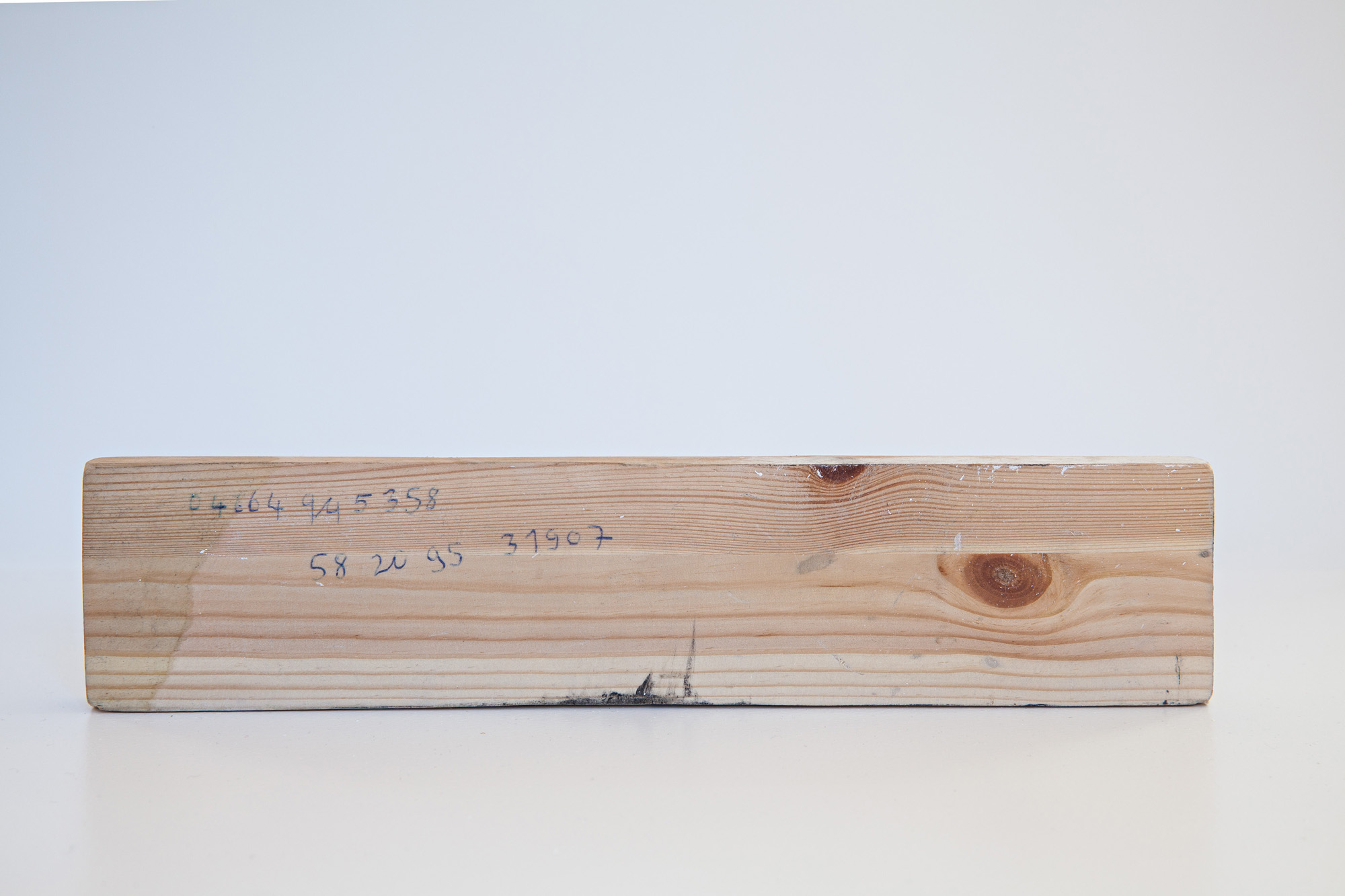
One in Ten, 2011
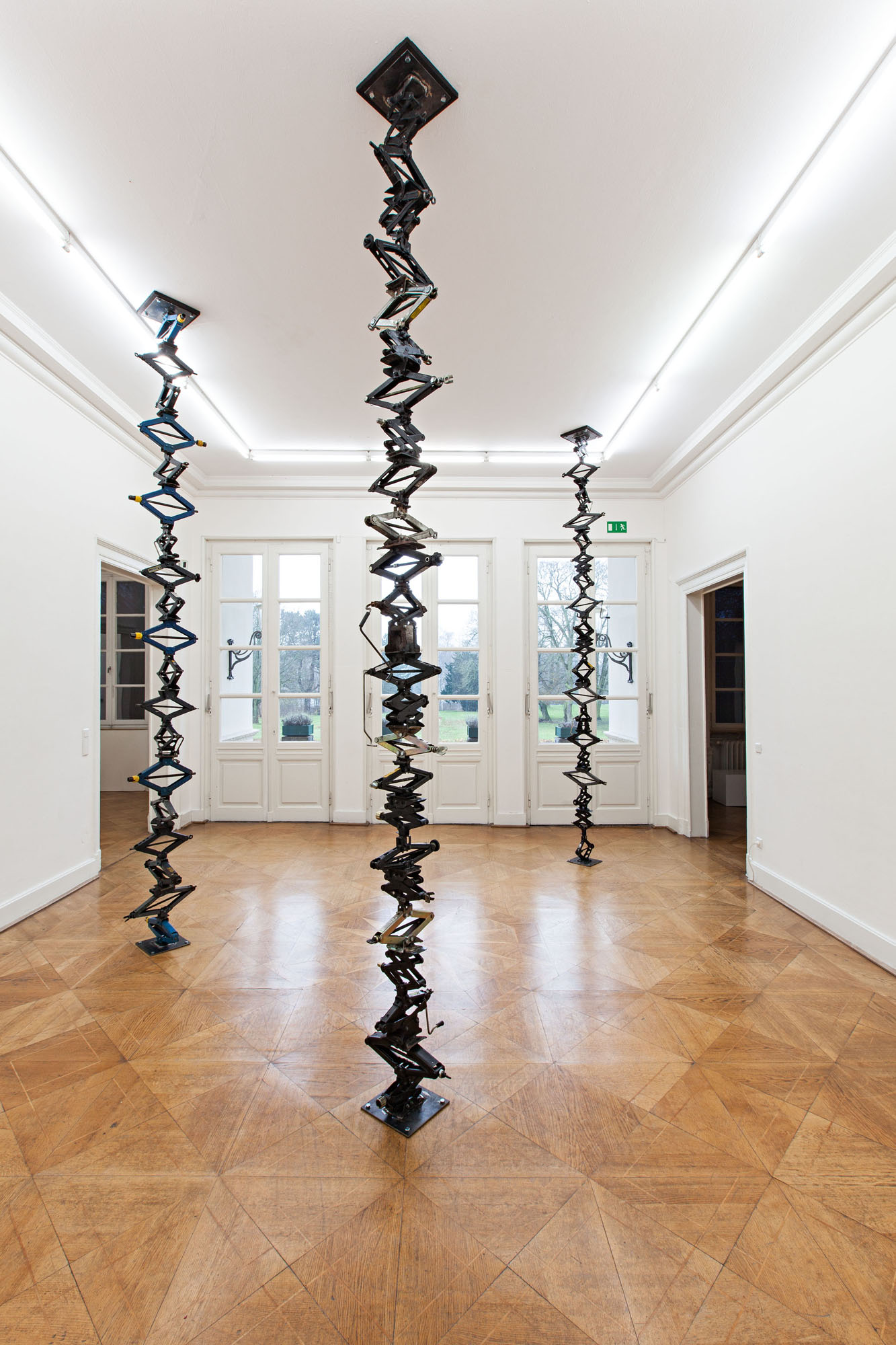
Statik Elastik, 2012
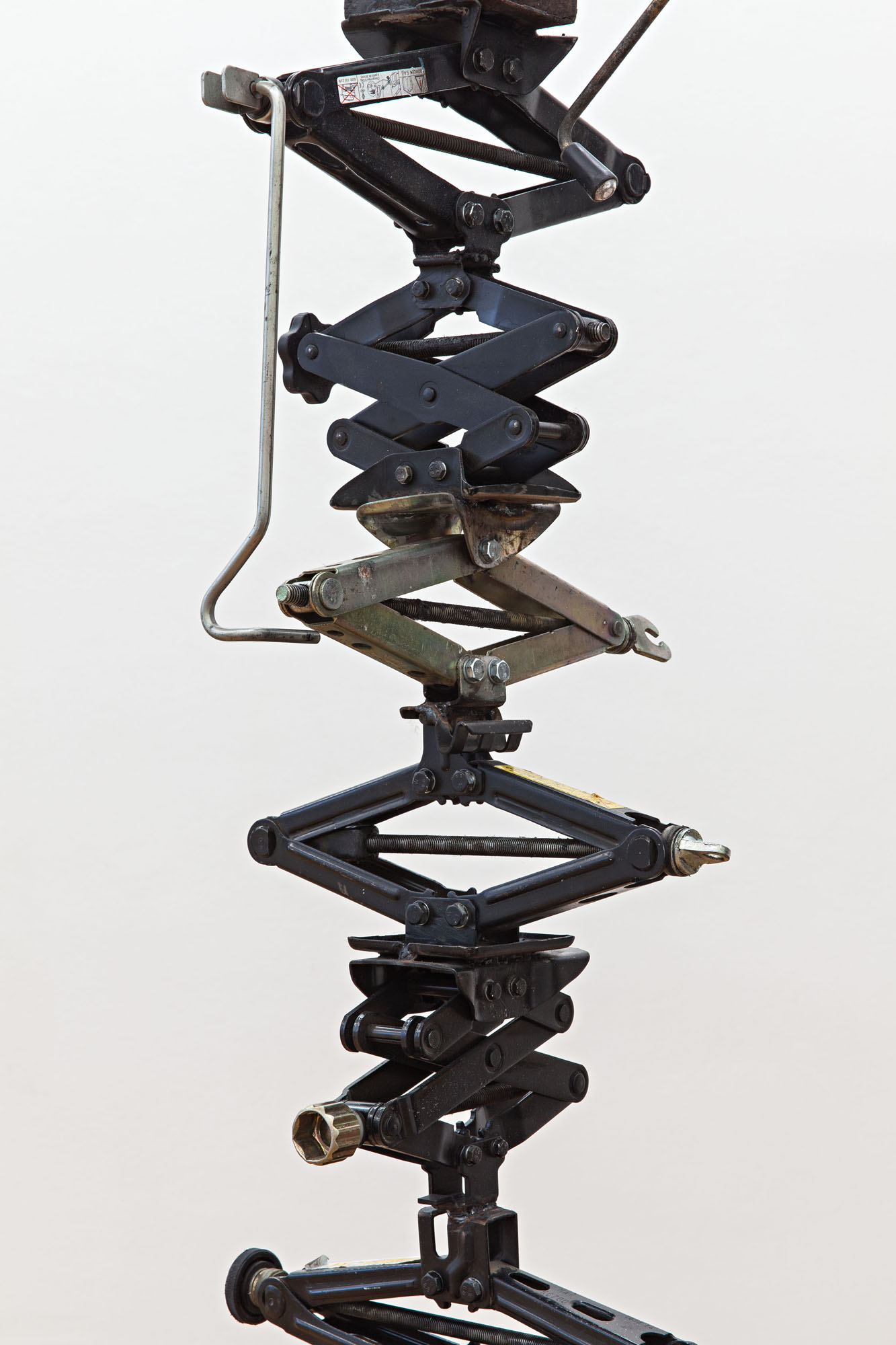
Statik Elastik, 2012, detail
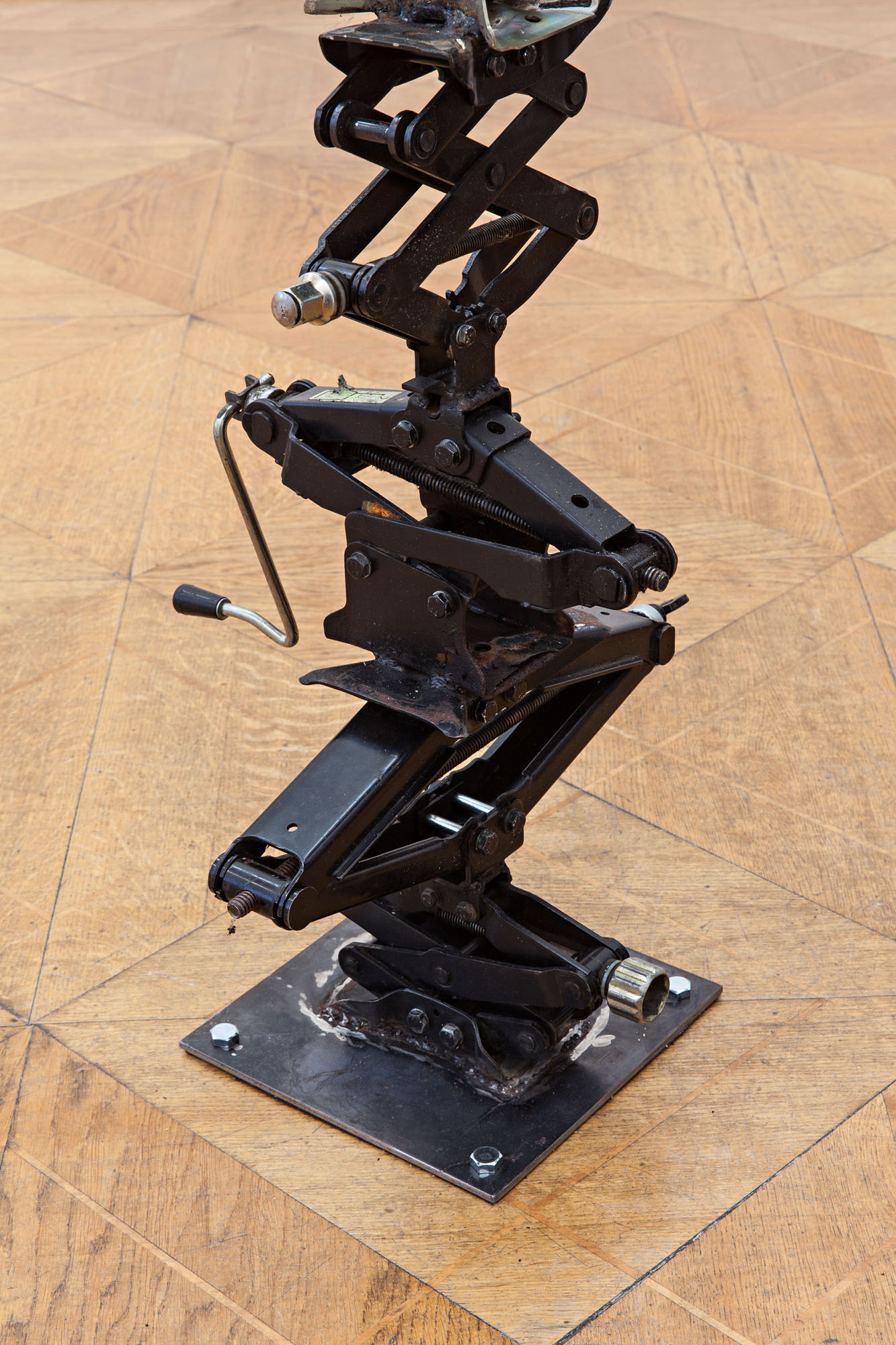
Statik Elastik, 2012, detail
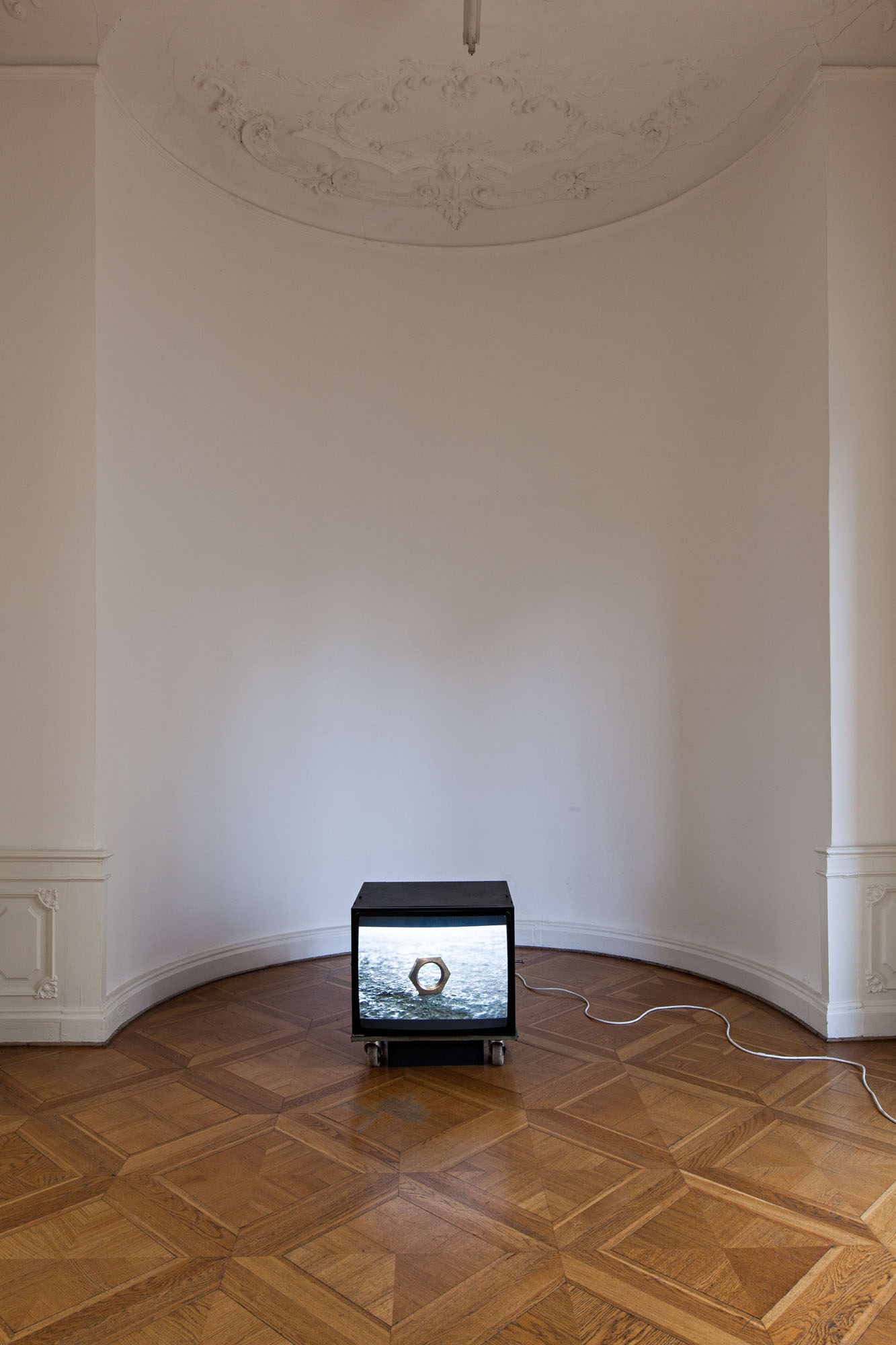
Past Particles, 2010
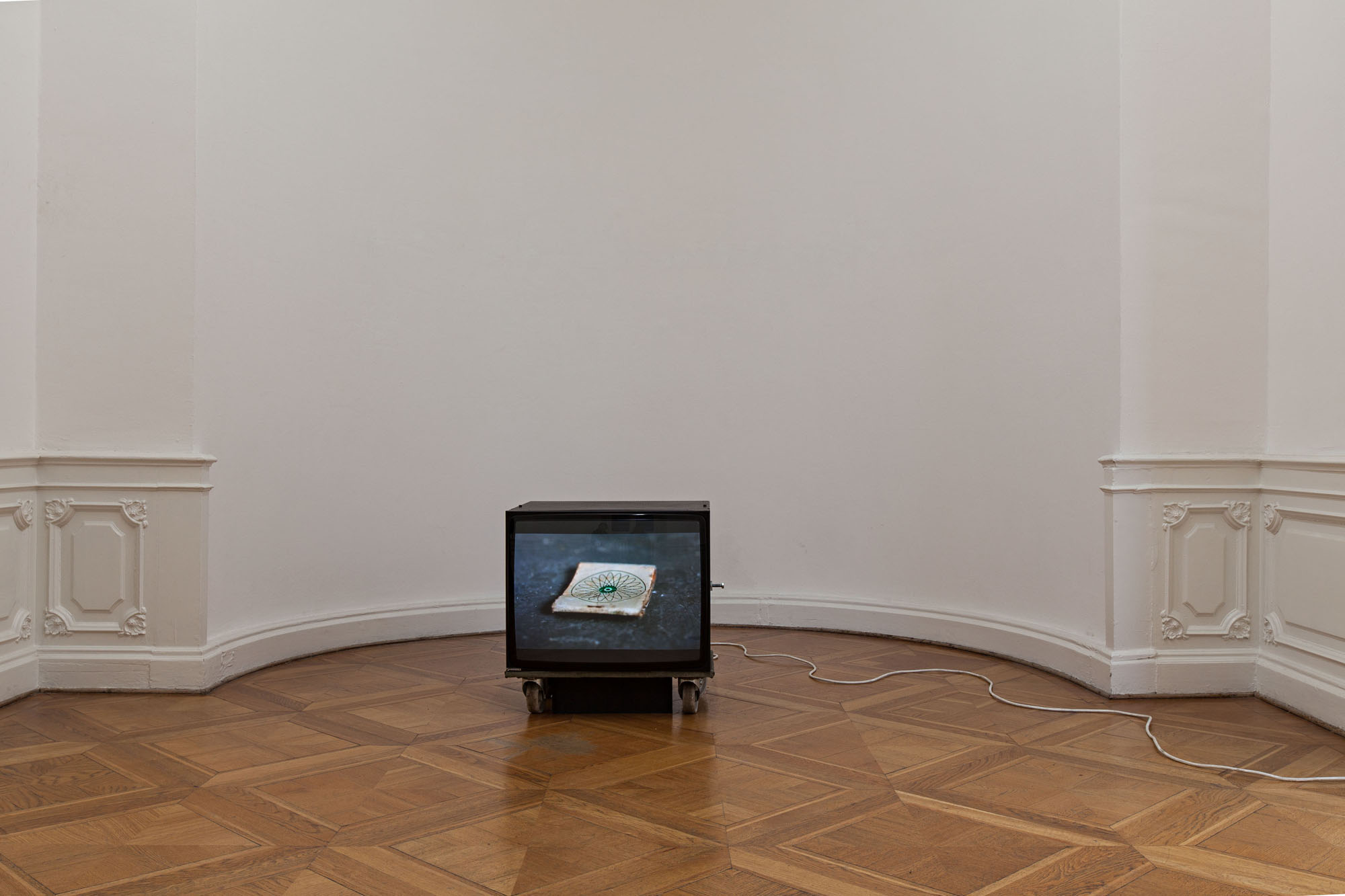
Past Particles, 2010
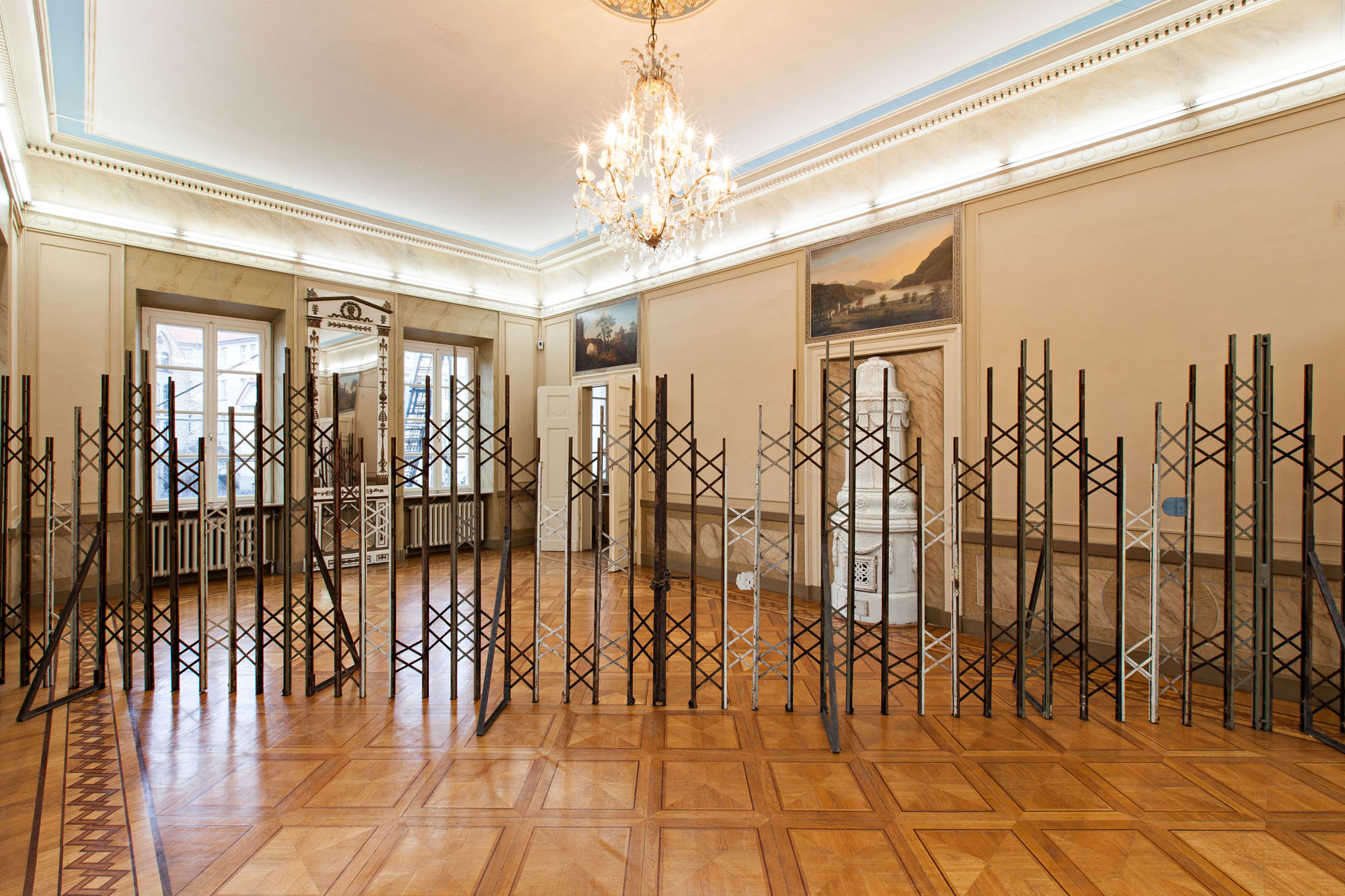
A Few Separate Facts Strung Together (with an Underlying Architecture of Anxiety), 2013
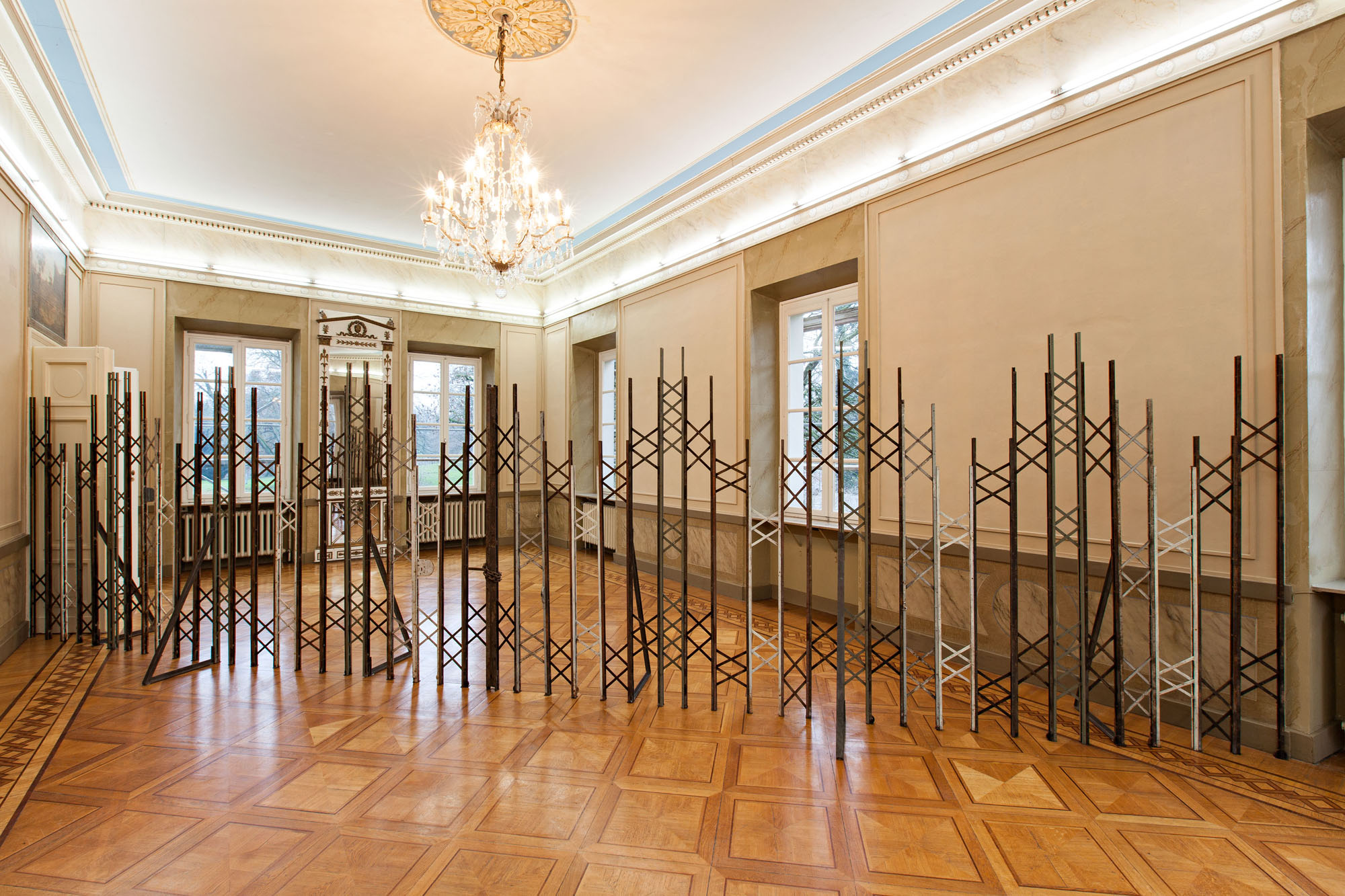
A Few Separate Facts Strung Together (with an Underlying Architecture of Anxiety), 2013
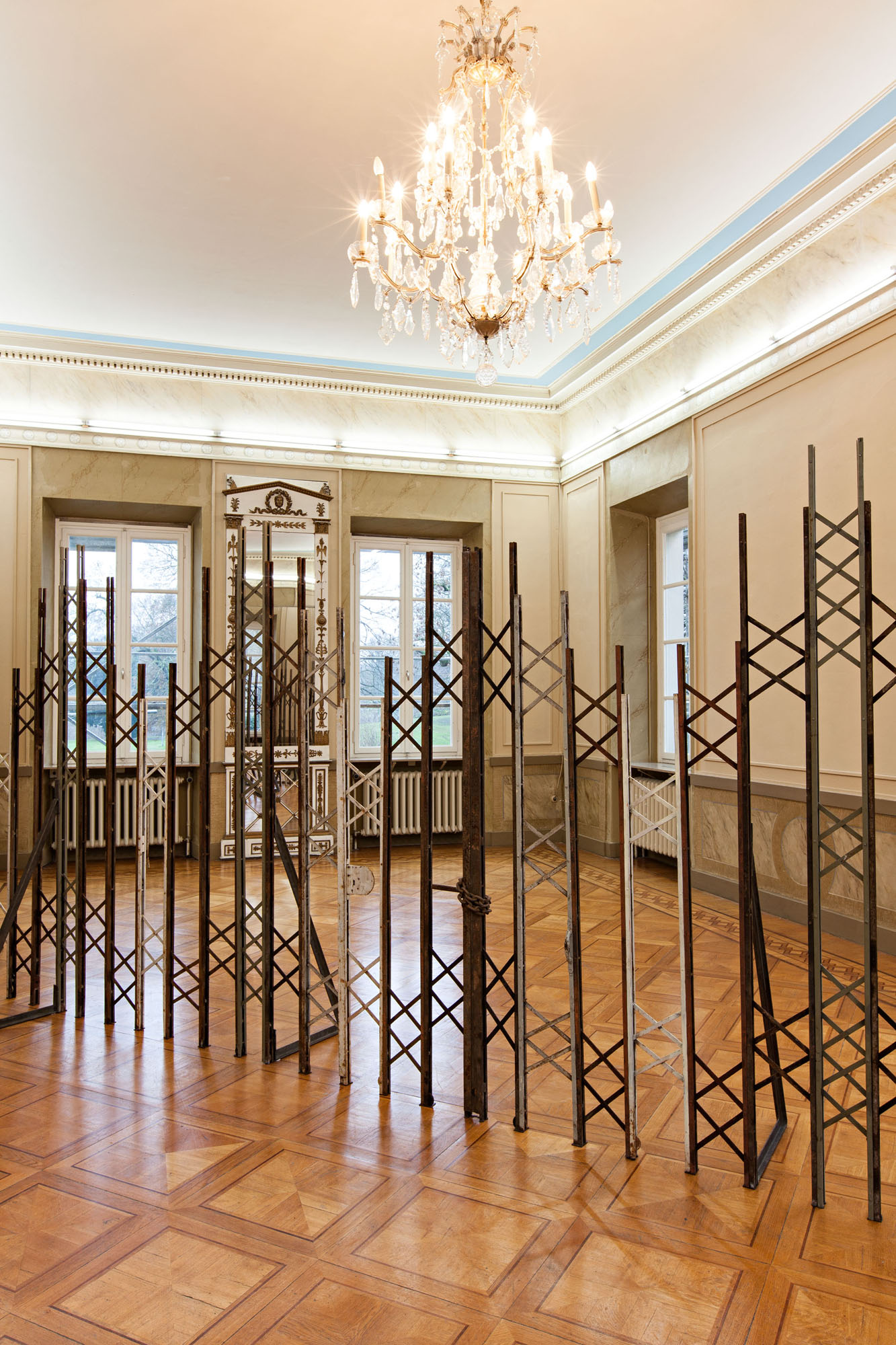
A Few Separate Facts Strung Together (with an Underlying Architecture of Anxiety), 2013, detail
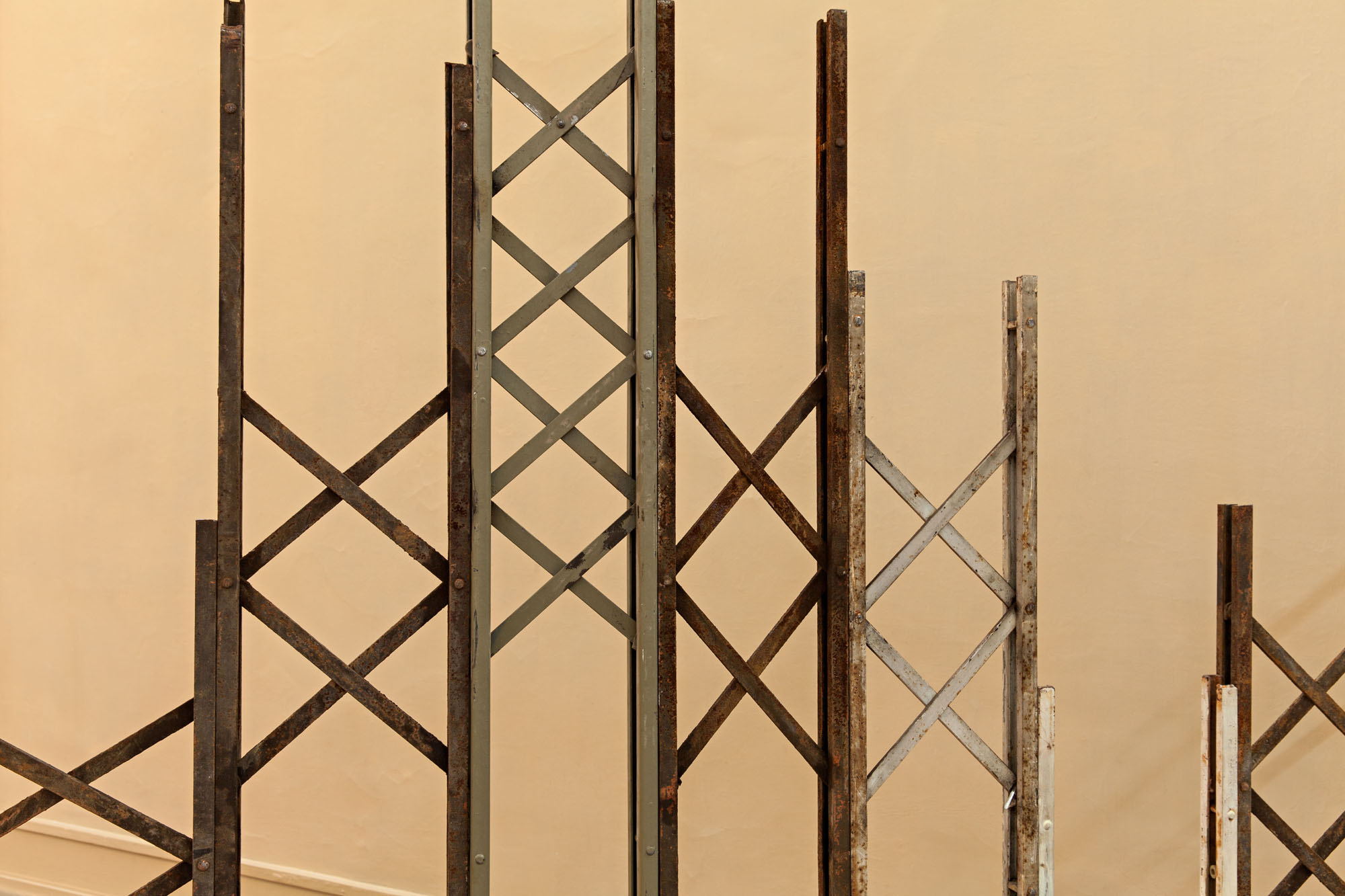
A Few Separate Facts Strung Together (with an Underlying Architecture of Anxiety), 2013, detail
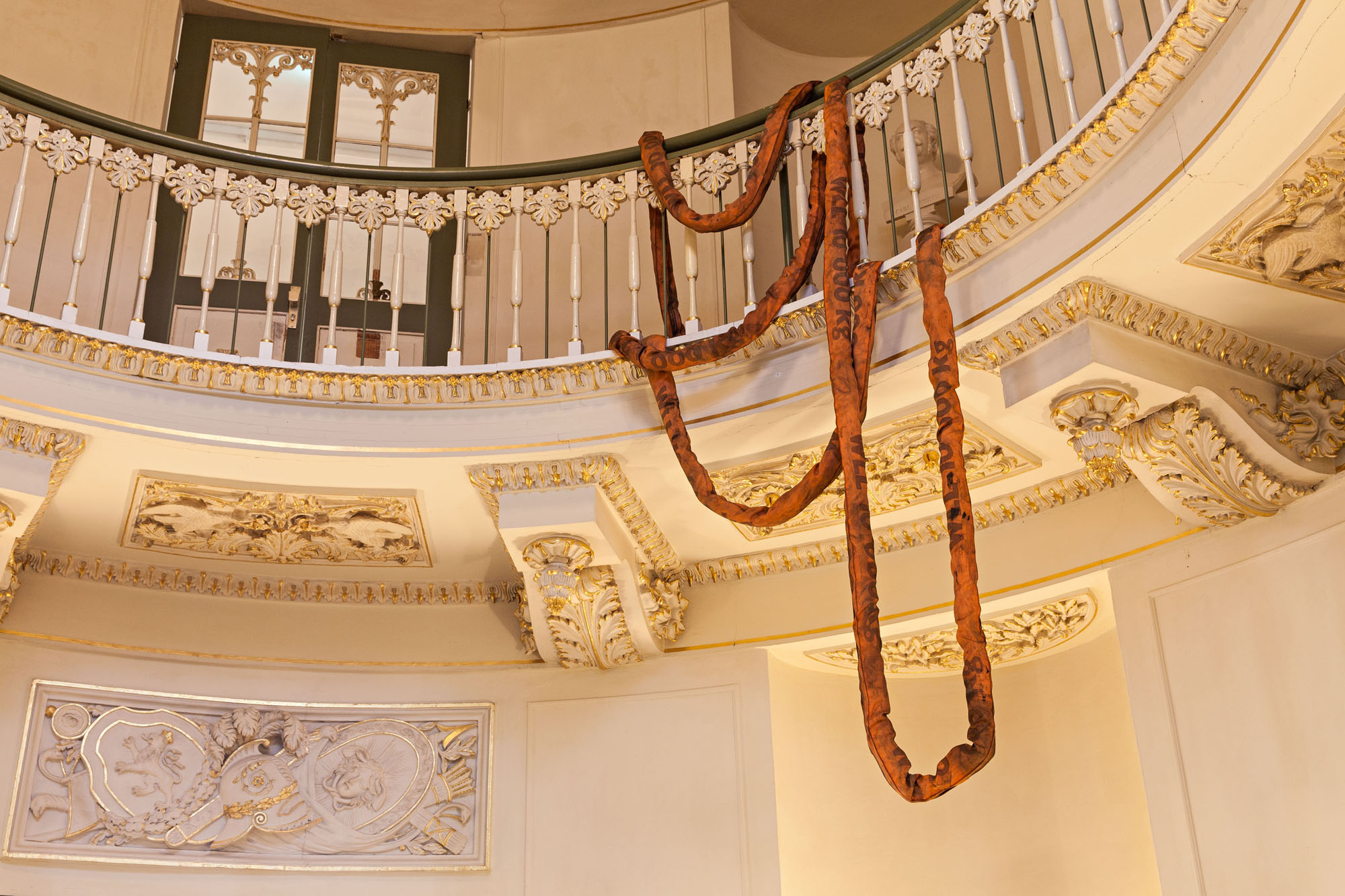
Manifold, 2013
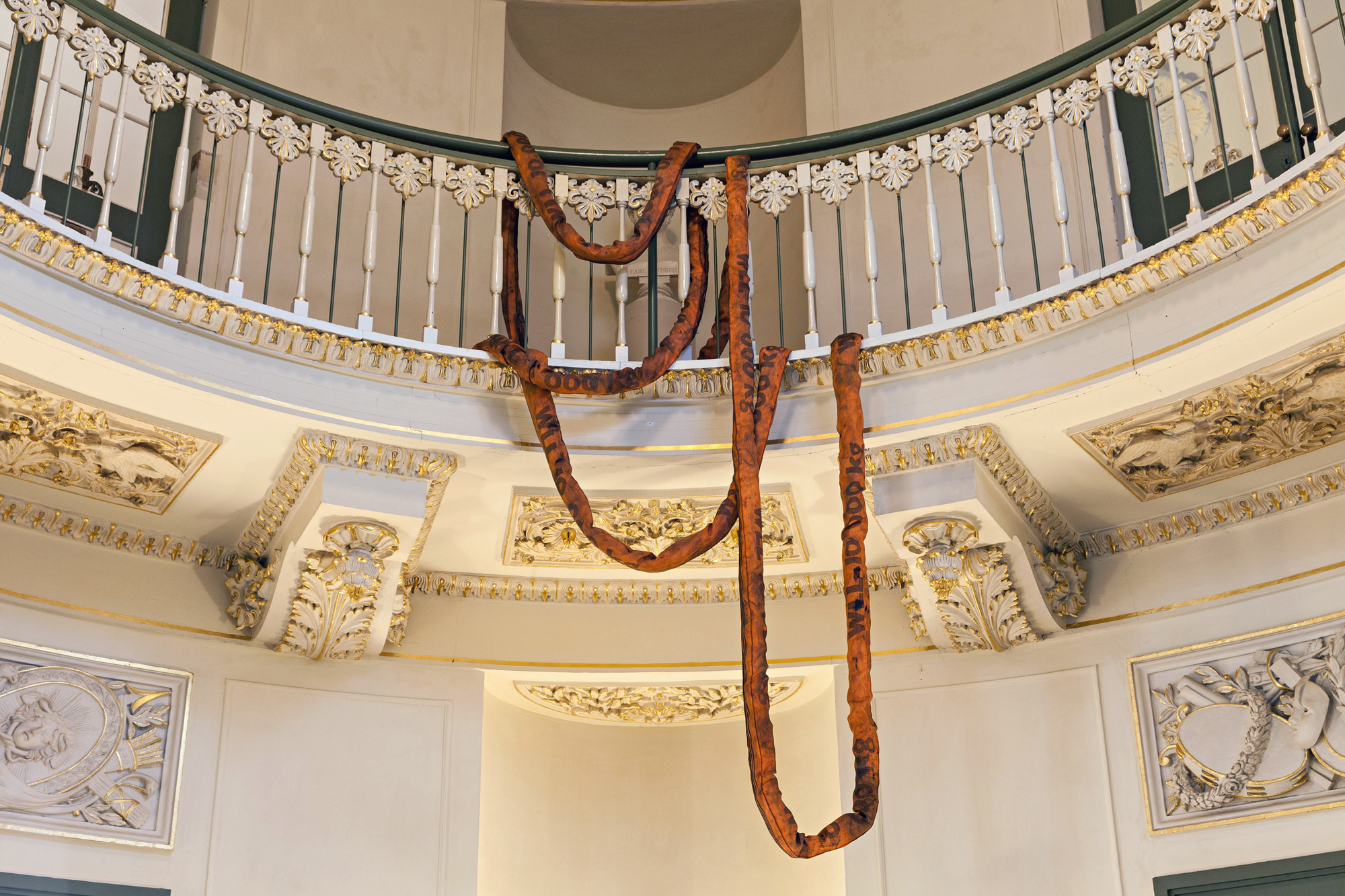
Manifold, 2013
In her videos, installations, and sculptures Sofia Hultén carefully investigates the nature of things and the range of ways one can act upon them. Through the reconstruction or rearrangement of processes she explores such ordinary daily procedures as the eating of an apple and the texture and history of mundane objects, like a discarded scrap of wood or an old toolbox, which she finds on building sites or waste grounds. In this way she breaks through habitual patterns of perception to discover unknown dimensions within the everyday. Hultén employs various media to examine the cycles of transformation and mutation undergone by the everyday objects that surround us. These usually appear in her works as fragments of a larger frame of activity, like brief incidents in a short story “focusing on a small element and pulling out its potential”.(Interview with the artist and Helen Legg, published in 12 Works, Künstlerhaus Bremen / Ikon Gallery, Cornerhouse Publications, 2008.)
At the same time the different sequences of events remind us that objects are not static and fixed, but rather located in a time-space continuum with a past, a present, and a future. In her nuanced works Hultén makes use of theories from physics and philosophy as well as ideas from science fiction to pursue the question “What if…?”
Hultén’s works always begin with unremarkable found objects. To produce Two Hundred to One (2011), presented in the first room of the exhibition in the Villa Salve Hospes at the Kunstverein Braunschweig, 200 centimeter-long fragments cut from 200 different measuring sticks were combined to form a new measuring stick, one which also seems to have become a timeline — here time and space cannot be separated, suggesting four-dimensional space-time, a central aspect of the theory of relativity. The timeline, however, appears fragmented, as if fanned out into time-slides, in this way referring to theories of simultaneity. A similar idea underlies the work Versions of Events (2011). Here Hultén works through, as the title indicates, multiple variations of a mundane activity (pulling on a sock then a shoe, stepping on a thumbtack and in paint, the final disposal of the shoe in a plastic bag), altering the anticipated sequence of events and thus unleashing a chain reaction. Similar to Nonsequences (2013), various time frames are mixed to allude to the problematic phenomenon of physical time. Even before the development of the theory of relativity, physicists knew that time could (theoretically) run backwards as well as forwards — an idea that is now of significant importance in quantum theory (indeed a necessary condition of quantum mechanics), even though it fundamentally contradicts our ordinary experience of the ‘passing’ of time. We perceive what occurs around us at only a single point in time —the present —after which the next moment follows chronologically. In four-dimensional space-time, however, single moments can be arranged next to one another, and temporal and spatial leaps forwards and backwards between them are possible. This is the sense in which time is thrown out of joint in Versions of Events: the separately perceived moments of an event are mixed together.
The video work Altered Fates (2013) is also concerned with interventions into an existing cycle — and their consequences. Here Hultén takes objects from a skip on the street; subtly, indeed casually, modifies them; and returns them to the skip where she found them. These interventions sometimes consist of seemingly ‘graphic’ alterations: a corner is removed from a piece of foam, a round hole cut into a sheet of plastic. In the end, however, the objects remain what they were —following the motto “It is what it is.” The question that underlies this work seems to be a semantic one: What is an action? What kinds of alterations have been made, and do these have consequences? In her film works Hultén makes deliberate use of loops, which should be understood as an allusion to the phenomenon of time-loops.
Hultén is interested in the use of movement to shift the idea of sculpture — and of the object —into the temporal dimension. This is especially true of her 72-minute video Past Particles from 2010, in which more than one thousand small objects, recorded individually on camera, are presented on a monitor in a slow sequence, so that the moment of viewing and, by extension, the object itself undergo a temporal elongation. This inventory of filmed objects features items removed from a found toolbox, each as carefully and impartially documented as an archeological discovery. Here too the continuity of the flow of time seems to have been interrupted, although the images appear to flow. Discontinuities in the sound (sometimes birdsong, sometimes the noise of traffic) expose the film as an arbitrarily pieced-together sequence of filmed fragments of time.
Hultén refuses to accept the idea that a sculpture should be static. Movement comes into play in two further works presented at the Kunstverein —even if only in spirit. Three sculptures with the title Statik Elastik (2012) are installed in the Gartensaal: second-hand car-jacks are welded together and clamped between the floor and the ceiling. But these apparently delicate sculptures embody a dangerous potential: were one to turn one of the cranks, one would certainly damage the ceiling. Each stela thus contains a virtual elasticity, as it is inhabited by the possibility of movement. In the imagination, this sculpture stretches away beyond the boundaries of the room —reminding one, not only formally, of Constantin Brancusi’s famous Endless Columns (1918). At the same time, the work examines, in a physical sense, the question of the extension of space, as does the installation A Few Separate Facts Strung Together (With an Underlying Architecture of Anxiety) (2013), which cuts diagonally through the Spiegelsaal of the Villa Salve Hospes and whose title quotes a line from Philip K. Dick’s science-fiction novel Clans of the Alphane Moon (1964). Like an intricate pattern, the sculpture, composed of sections from metal folding gates of various heights, traverses the space, subtly reflecting the formal language of the decor of the walls and the floor. But despite its delicate appearance, which reminds one of the double-helix structure of DNA, this site-specific sculpture creates a longitudinal spatial tension: like Statik Elastik, the work could continue to extend, in this case horizontally. Furthermore, this installation forces the viewer to abandon the usual route through the galleries and to turn back: countless new ways to walk through the exhibition open themselves and in this way also further illustrate movement forwards and backwards in time, one of Hultén’s essential themes:
Can you turn something upside down or backwards in a metaphoric sense, can you turn a process on its head? … It means that I know where to start from and where to go … Time is quite sculptural I guess. … So when you ask about my interest in the cyclical nature of things, what comes before, what comes afterwards, it’s very much to do with a desire to keep things moving … I’ve been reading a lot about four dimensionality. It’s this concept that we don’t know what will happen with so-called physical objects. You can’t really define a sub-atomic particle as a thing, a physical object … but instead we can look at it like a field of possibilities, which I think is an incredible, wonderful way of looking at objects. Because actually that’s how I see these objects, as this whirling mass of ‘What could I be?’, ‘What have I been?’, ‘What is inherent within me?’. Inside every particle there’s the potential for an incredible amount of energy.( Interview with the artist and Helen Legg, published in 12 Works, Künstlerhaus Bremen / Ikon Gallery, Cornerhouse Publications, 2008)
Hultén often uses processes of reconstruction, renovation, and rearrangement in her work, together with methods more commonly applied to criminal investigations or the renovation of furniture. In the video work One in Ten (2011), for example, a found piece of wood bearing obvious traces of use was sanded down and thereby returned to its ‘original condition’, only to then have the traces reconstructed as faithfully as possible through the appropriate means, a process that was repeated ten times. In the end, Hultén’s works are always about the potential histories of objects and materials.
Introduction: Hilke Wagner