Drawn Onward
ImagesPerrot's Folly, Ikon Gallery Offsite, Birmingham, UK 2009
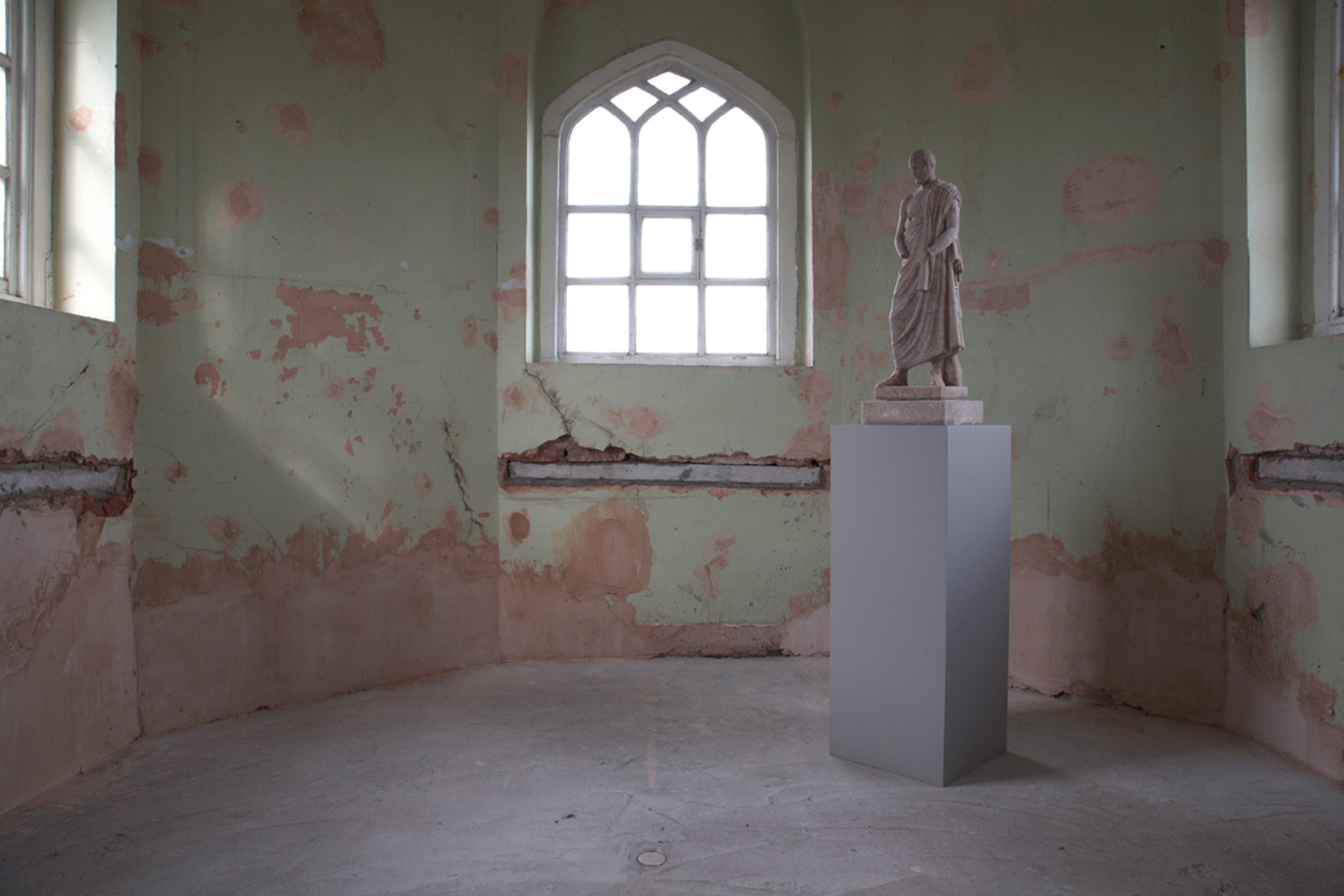
Drawn Onward, 2009
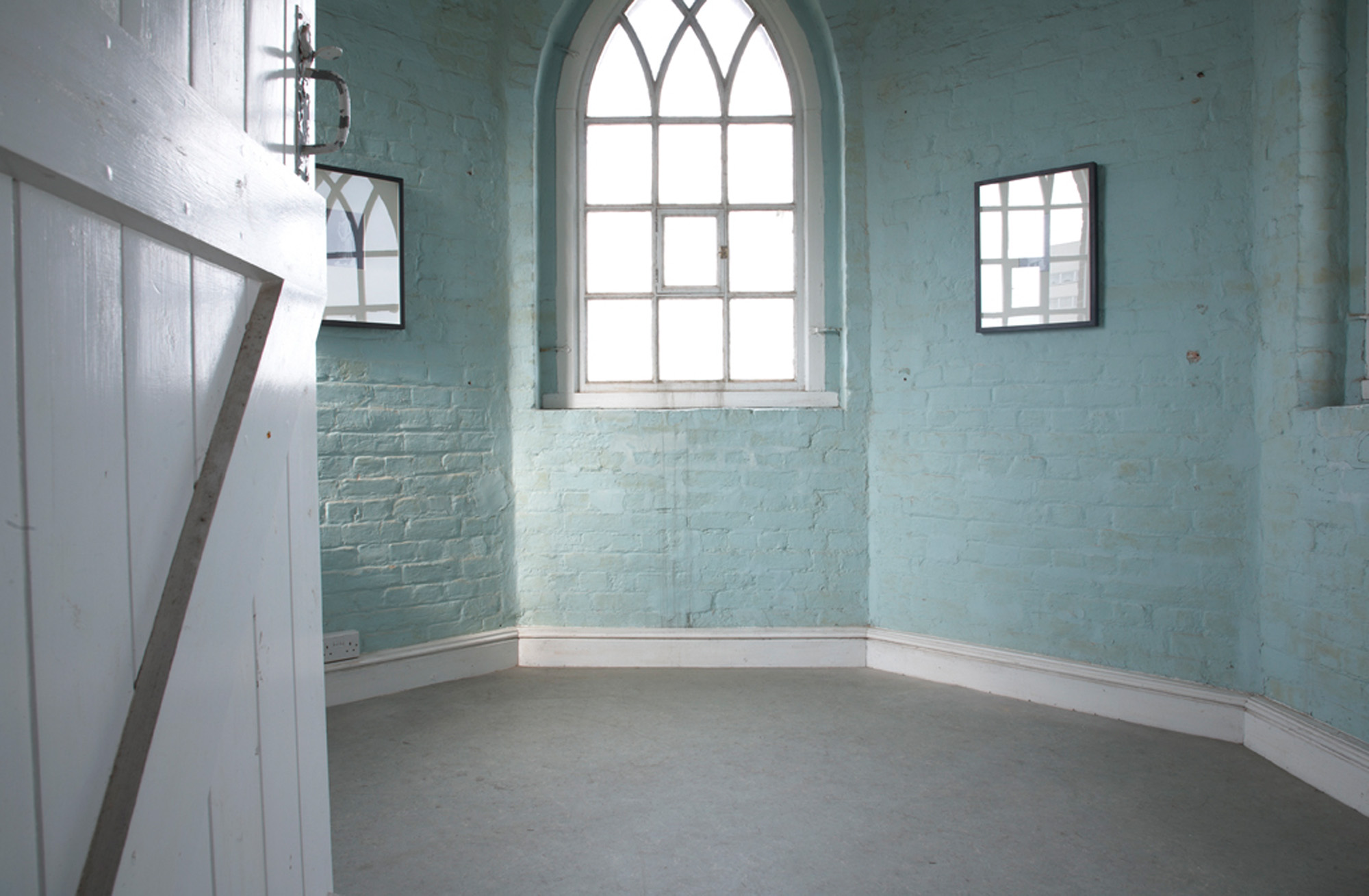
Drawn Onward, Perrot's Folly, Ikon Gallery Offsite, Birmingham, 2009, installation view
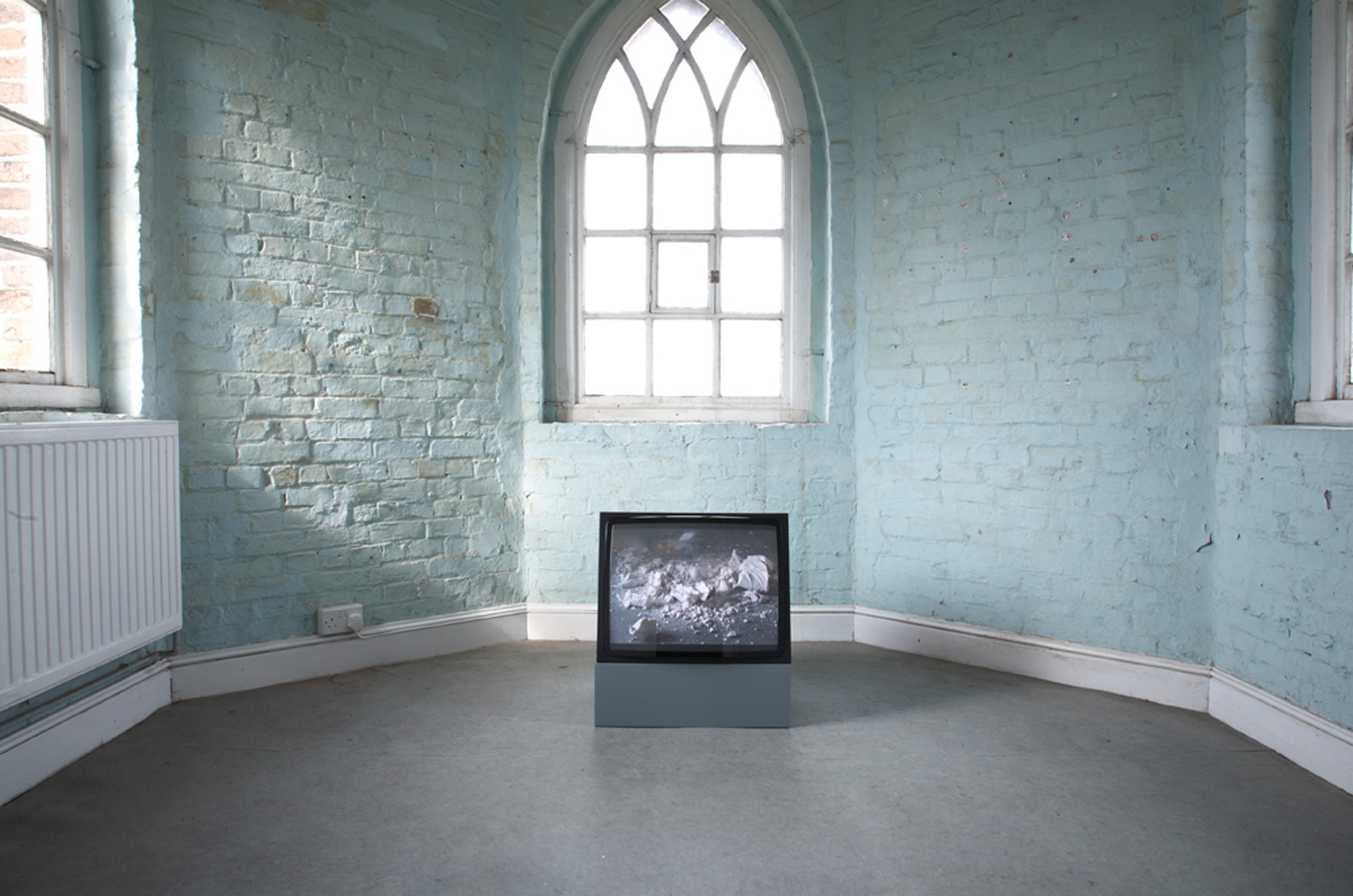
Drawn Onward, 2009
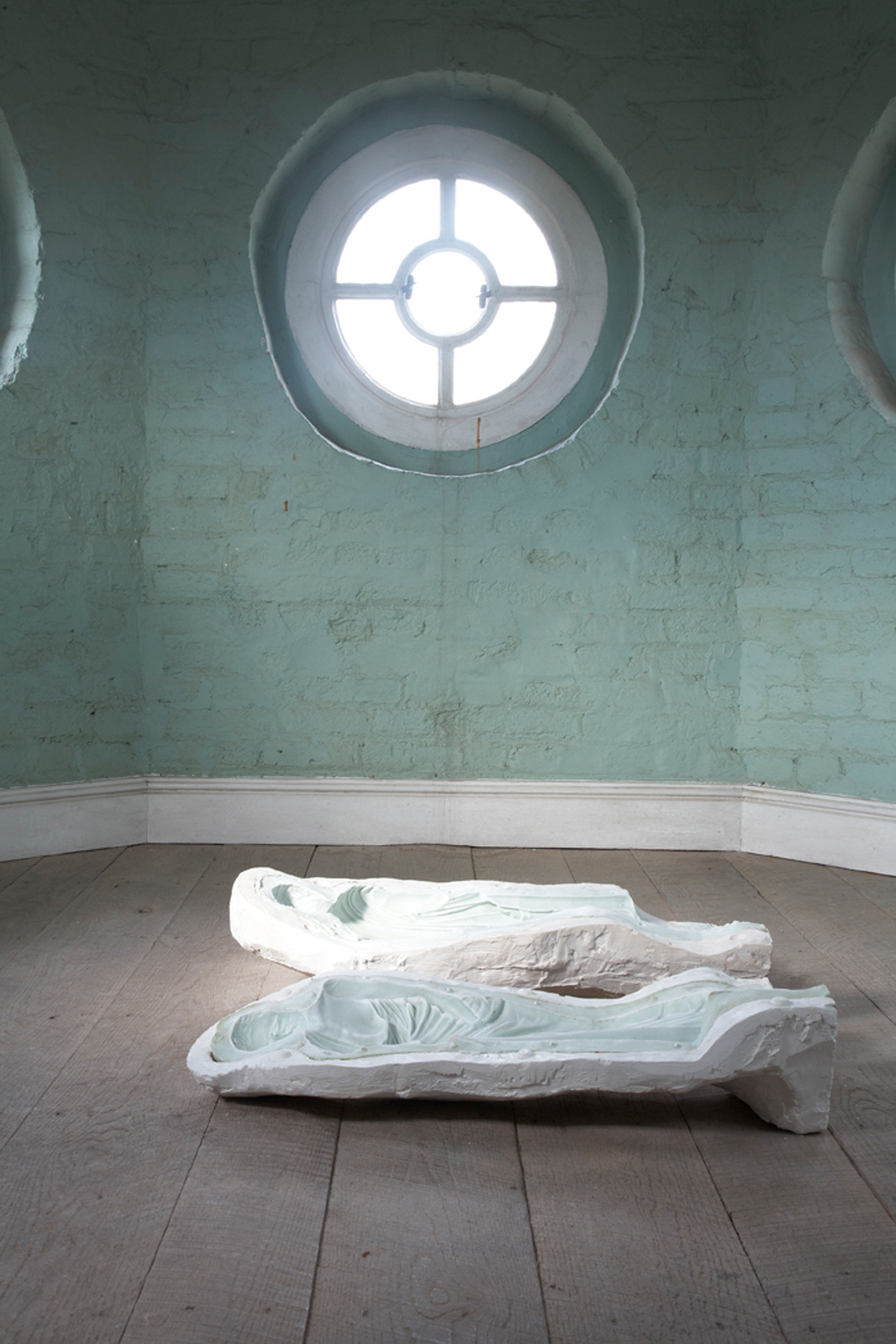
Drawn Onward, 2009
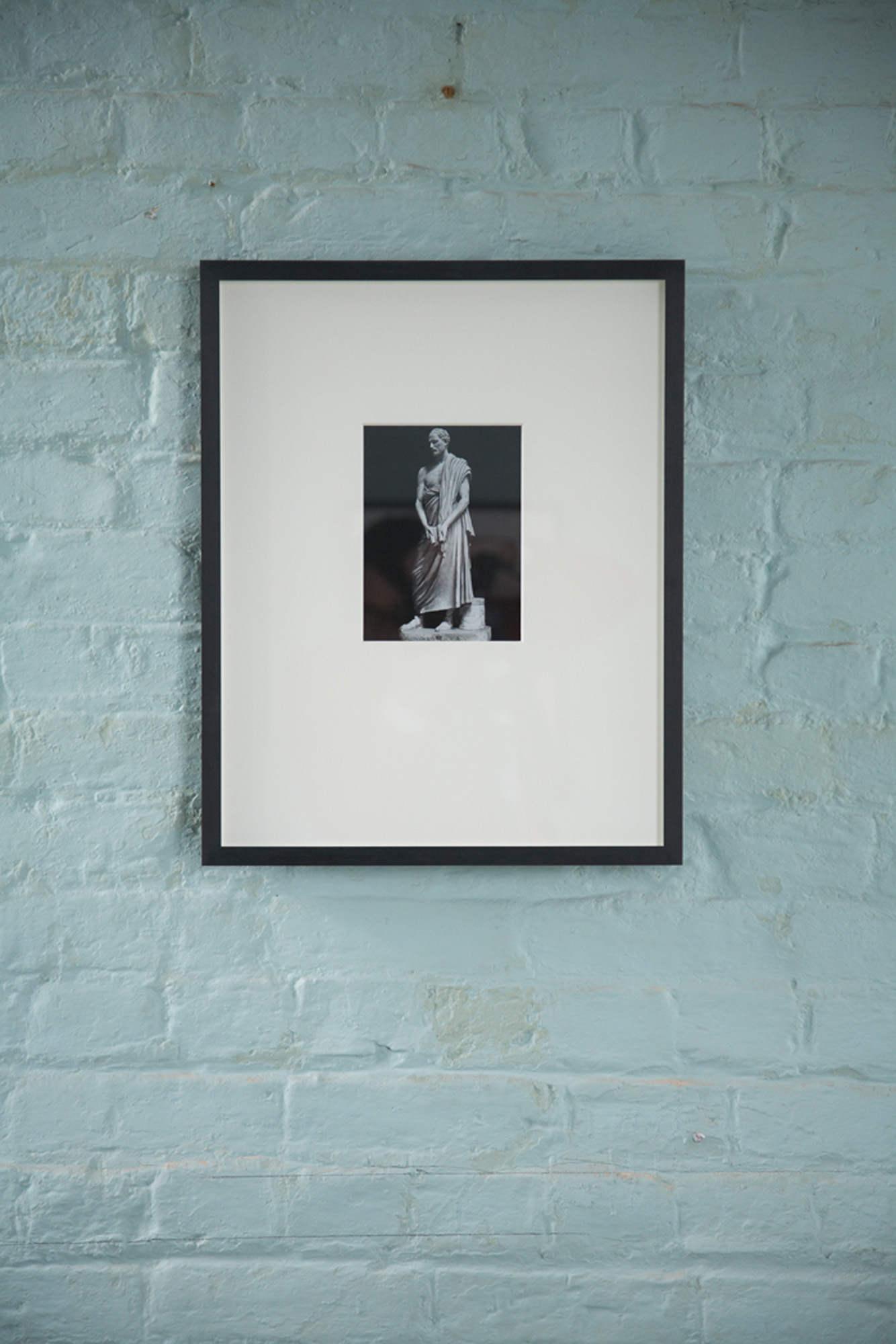
Drawn Onward, 2009
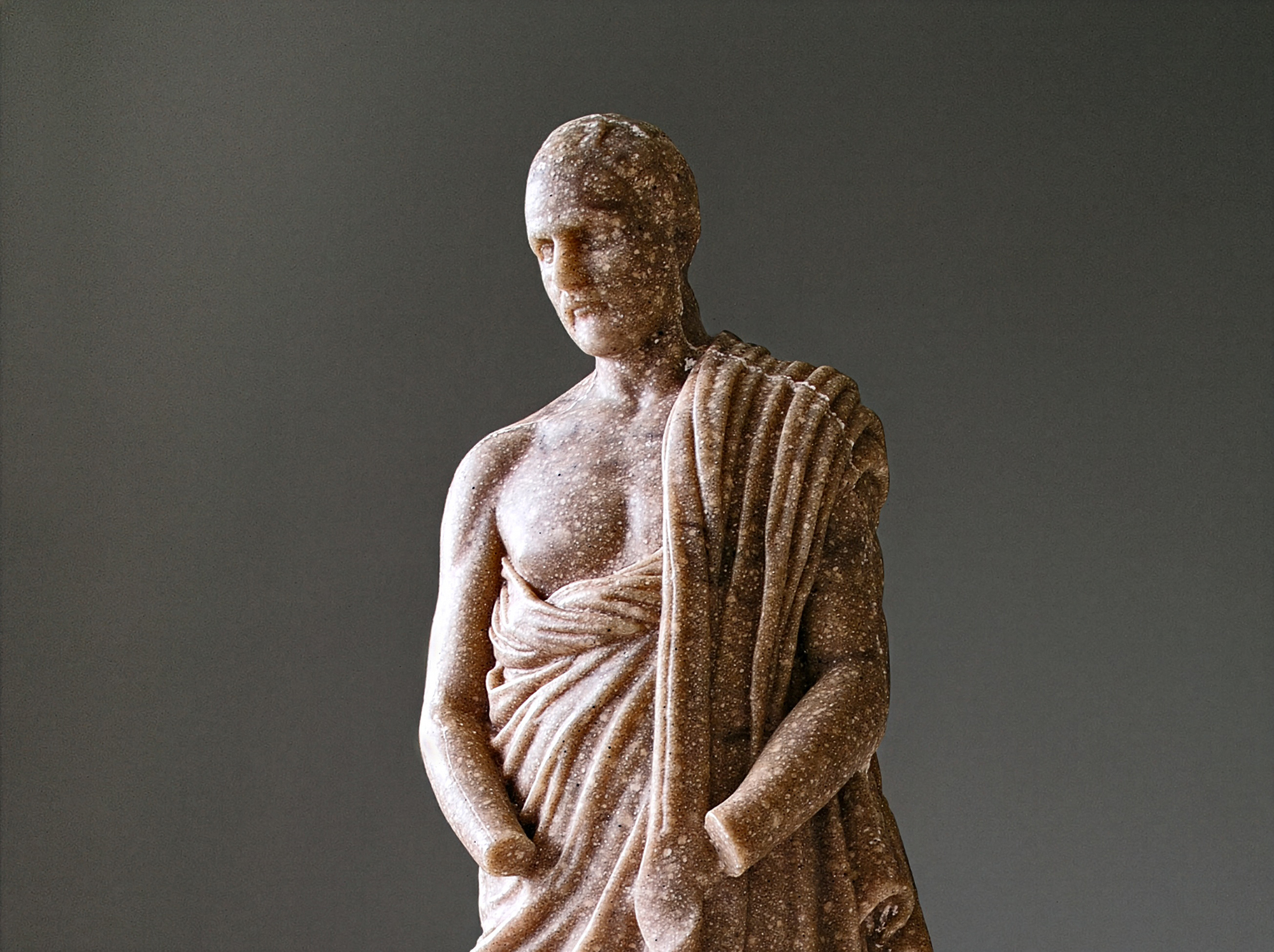
Drawn Onward, 2009, detail
Reconstruction, renovation and rearrangement recur as processes throughout Sofia Hultén's work. The act of making, the materiality of the objects she chooses to work with, and their relationship with time permeate her practice. Drawn Onward, a new work made especially for Perrott's Folly, was inspired by two related, yet diverse points of origin; the first a plaster cast of the Ancient Greek orator Demosthenes; the second, the Alfred Hitchcock film Vertigo (1958).
The cast of Demosthenes, though produced very recently, has an extended lineage that can be traced back thousands of years. It was produced from a Victorian piece-mould made by Domenico Brucciani, a celebrated Italian craftsman who worked closely with the Victoria and Albert Museum in London. The mould, in turn, was made from a scaled-down copy of a 1st Century AD Roman statue owned by the Vatican, itself after the original, long lost bronze by Polyeuktos, which had stood in the Athenian Agora, a public space, c. 280 BC.
The reproduction of classical statuary was widespread during the Renaissance and revived as a practice during the 18th and 19th centuries, when casts were purchased by museums, art schools and private collectors across Europe. Replicas were often made from the casts themselves, meaning that a variety of similar figures can be found in collections across the world, all originating from the same bronze, yet all different.
For Drawn Onward, Hultén made a new silicon mould from the contemporary Demosthenes plaster cast, after which she smashed the latter to pieces. The shattered, ground-down remains were then put into the new mould and used to recast the statue, actions that are recorded on video as a means of capturing the sculptural action involved. The operation is that of a reverse explosion; the pieces are torn apart only to implode back into an impression of what they had already been. The same material is used in a reconfiguration of the same image, and yet a change has occurred. This looping structure also occurs in the title, a palindrome taken from the longer sentence 'Are we not drawn onward we few, drawn onward to new era'. Reading both forwards and backwards, the title speaks of progress while always ending at another possible beginning.
Hultén's second point of reference, the plot of Vertigo, is similarly built around a chain of copies and constructed images, each based on an ideal 'original' that is always already lost. Both cases, plaster cast and film, attest to the impossible desire to get back what was lost through the act of recreation or reproduction - paradoxically the act of creating something that can only ever be new. In each instance that thing sought after, the point of origin, is already an image, once removed from life; each recreation a further link in a chain extending through time.
Hultén's ideas reflect upon the history and current situation of the Folly itself. Having remained closed to the public for more than two decades, it was reopened by Ikon last year as a temporary venue for off-site projects while it awaits renovation. Built by eccentric landowner John Perrott in 1758, the structure's original function is unknown. One popular theory is that it was built so that Perrott could gaze on the distant grave of his late wife - a gesture rooted in the same desire to reconnect with the past as Drawn Onward itself.